
 oodlay
How to Start a Fast Food Business in India – Complete Business Plan
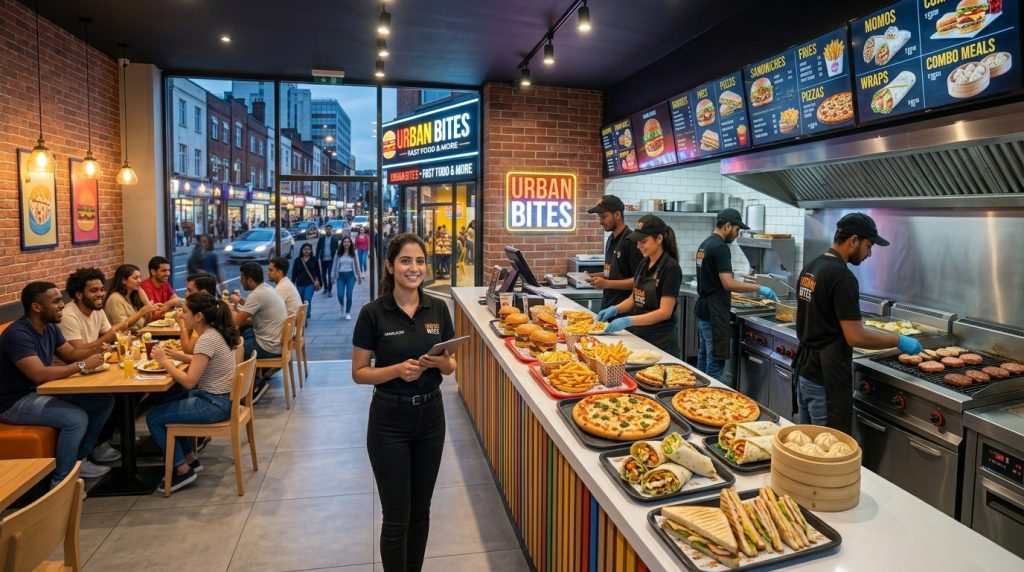
Starting a fast food business is one of the most profitable small business opportunities for aspiring entrepreneurs. With increasing urbanization, busy lifestyles, and a growing demand for quick and affordable meals, fast food businesses continue to attract a large number of customers every day. A well-planned fast food corner can generate consistent income with relatively low investment compared to large restaurants. Whether you want to sell burgers, sandwiches, pizzas, rolls, fries, momos, or local street food items, success depends on proper planning, quality food, and excellent customer service.
The first step in starting a fast food corner is conducting market research. Study the local area and identify the food preferences of potential customers. Locations near schools, colleges, offices, shopping centers, bus stands, railway stations, and residential areas often provide excellent business opportunities. Analyze competitors, their pricing, menu offerings, customer traffic, and service quality. This information will help you create a unique selling proposition and attract customers to your fast food corner. Choosing the right location is one of the most important factors influencing business success.
After selecting a suitable location, prepare a detailed business plan. Estimate the startup costs, including shop rent, interior setup, kitchen equipment, furniture, raw materials, licenses, marketing, and working capital. Depending on the scale of operations, a small fast food corner can often be started with a moderate investment. Essential equipment may include a refrigerator, cooking range, fryer, griller, microwave oven, food preparation tables, storage containers, and serving counters. Maintain proper hygiene standards and ensure compliance with local food safety regulations and licensing requirements.
Menu planning plays a crucial role in attracting customers and maximizing profits. Focus on a limited menu initially and offer food items that are easy to prepare, highly demanded, and profitable. Quality ingredients, consistent taste, attractive presentation, and reasonable pricing will help build customer loyalty. Introduce combo meals, special offers, and seasonal items to increase sales. Understanding food costs and maintaining proper inventory management can significantly improve profit margins and reduce wastage.
Marketing is essential for building brand awareness and attracting customers. Create an appealing business name, logo, and signage that can easily catch people’s attention. Use social media platforms to promote your fast food corner by sharing food photos, special offers, customer reviews, and videos. Register your business on food delivery platforms to expand your customer reach. Offering discounts during the launch period can encourage trial purchases and help generate positive word-of-mouth marketing.
Customer service is another key factor in long-term success. Fast service, friendly staff, clean surroundings, and quality food create a positive customer experience. Encourage customer feedback and continuously improve your products and services based on their suggestions. Maintaining consistency in taste and service quality helps build a loyal customer base and encourages repeat business.
A fast food corner can become a highly profitable venture when managed efficiently. By selecting the right location, offering delicious food, maintaining hygiene standards, controlling costs, and implementing effective marketing strategies, entrepreneurs can build a successful and sustainable fast food business. With dedication, innovation, and customer-focused service, a small fast food corner can eventually grow into a recognized local brand and a rewarding long-term business opportunity.
Fast Food Corner Business Plan
A fast food corner is a quick-service food outlet that serves freshly prepared food at affordable prices. The business can operate from a small shop, kiosk, food truck, or takeaway outlet. The main objective is to provide tasty food, quick service, hygienic preparation, and customer satisfaction while maintaining profitability.
Business Goals
- Establish a profitable fast food corner within the first year.
- Build a loyal customer base.
- Generate regular monthly profits.
- Expand into online food delivery platforms.
- Open additional outlets in the future.
Market Research
Before investing money, conduct detailed market research. Study local food preferences, customer demographics, competition, and pricing strategies. Areas near schools, colleges, offices, shopping centers, bus stands, railway stations, and residential societies often offer excellent opportunities.
Key factors to analyze:
- Popular food items in the area.
- Competitor pricing.
- Customer purchasing habits.
- Peak business hours.
- Demand for takeaway and delivery services.
Market research helps identify gaps in the market and allows you to create a menu that attracts customers.
Investment Required in India
The investment depends on location, shop size, and menu offerings.
Small Fast Food Corner
Estimated Investment: ₹3 Lakh – ₹5 Lakh
Medium-Sized Outlet
Estimated Investment: ₹5 Lakh – ₹15 Lakh
Premium Fast-Food Restaurant
Estimated Investment: ₹15 Lakh – ₹50 Lakh+
Typical Startup Expenses
Shop Deposit and Rent: ₹50,000 – ₹3,00,000
Interior Setup: ₹50,000 – ₹2,00,000
Kitchen Equipment: ₹1,00,000 – ₹5,00,000
Furniture and Seating: ₹25,000 – ₹2,00,000
Licenses and Registration: ₹10,000 – ₹50,000
Initial Inventory: ₹25,000 – ₹1,00,000
Marketing and Branding: ₹20,000 – ₹1,00,000
Working Capital: ₹50,000 – ₹3,00,000
Location Selection
Location is one of the most important factors in the success of a fast-food business.
Ideal locations include:
- College areas
- School zones
- Office complexes
- Shopping markets
- Railway stations
- Bus terminals
- Residential neighborhoods
Choose a location with high foot traffic and good visibility. Easy accessibility and parking facilities can significantly increase customer visits.
Licenses and Legal Requirements
To operate legally in India, obtain the following licenses:
- FSSAI License
- Shop and Establishment Registration
- Trade License
- GST Registration (if applicable)
- Fire Safety Clearance (for larger outlets)
- Local Municipal Permissions
Maintaining food safety and hygiene standards is essential for long-term business success.
Equipment Required
Essential equipment includes:
- Deep Fryer
- Commercial Griller
- Refrigerator
- Deep Freezer
- Gas Stove
- Microwave Oven
- Food Preparation Tables
- POS Billing System
- Storage Containers
- Cooking Utensils
- Packaging Materials
Purchasing durable equipment helps reduce maintenance costs and ensures smooth operations.
Menu Planning
Start with a limited menu that is easy to prepare and offers high profit margins.
Popular fast-food items include:
- Veg and Chicken Burgers
- Sandwiches
- French Fries
- Pizza Slices
- Momos
- Noodles
- Wraps and Rolls
- Fried Chicken
- Soft Drinks
- Fresh Juices
- Tea and Coffee
Focus on food quality, consistent taste, and attractive presentation to build customer loyalty.
Staffing Requirements
For a small outlet:
Owner/Manager: 1
Cook: 1–2
Kitchen Assistant: 1
Cashier: 1
Delivery Executive: 1–2 (if offering delivery)
Proper staff training in food preparation, hygiene, and customer service improves operational efficiency.
Marketing Strategy
Marketing is essential for attracting customers and building brand recognition.
Offline Marketing
- Attractive Signboards
- Flyers and Brochures
- Local Newspaper Advertisements
- Promotional Events
Online Marketing
- Facebook Business Page
- Instagram Marketing
- WhatsApp Promotions
- Google Business Profile
- Food Delivery Apps
Promotional Offers
- Combo Meals
- Student Discounts
- Happy Hour Offers
- Loyalty Programs
- Buy-One-Get-One Deals
Strong marketing helps increase customer traffic and repeat purchases.
Operations Plan
Daily operations should include:
- Purchasing fresh ingredients.
- Food preparation and quality checks.
- Inventory management.
- Customer service.
- Cleaning and sanitation.
- Cash flow monitoring.
- Daily sales tracking.
Efficient operations reduce waste and improve profitability.
Revenue Model
Revenue sources include:
- Walk-in Customers
- Takeaway Orders
- Online Deliveries
- Catering Services
- Beverage Sales
- Combo Meal Sales
Beverages, fries, and combo meals often provide higher profit margins than main food items.
Financial Projections
Assume:
Average Customers Per Day: 100
Average Order Value: ₹150
Daily Revenue: ₹15,000
Monthly Revenue: ₹4,50,000
Monthly Expenses
Rent: ₹30,000
Staff Salaries: ₹80,000
Raw Materials: ₹1,50,000
Utilities: ₹10,000
Marketing: ₹10,000
Miscellaneous Expenses: ₹20,000
Total Expenses: ₹3,00,000
Estimated Monthly Profit
₹1,50,000
With increased customer volume and effective management, profits can grow substantially over time.
Risk Management
Common risks include:
- Strong competition
- Rising food costs
- Poor customer reviews
- Staff turnover
- Economic slowdowns
These risks can be minimized through excellent customer service, inventory control, menu innovation, and continuous quality improvement.
Expansion Opportunities
Once the business becomes profitable, consider:
- Opening additional outlets
- Launching a food truck
- Offering catering services
- Developing a franchise model
- Creating a proprietary mobile ordering app
- Expanding into cloud kitchens
Conclusion
Starting a fast-food corner in India can be a highly profitable and scalable business opportunity. With an investment of ₹3 lakh to ₹15 lakh, entrepreneurs can establish a successful outlet serving high-demand food items. Success depends on choosing the right location, maintaining food quality, controlling costs, implementing effective marketing strategies, and delivering excellent customer service. By focusing on customer satisfaction and operational efficiency, a fast-food corner can become a thriving long-term business and a recognized local brand.
Read more :