Small-Scale Business

How To Start Best Profitable Namkeen Business?

Start a Namkeen Business with a Low Budget – Complete Business Plan

Introduction

Namkeen is one of the most popular snack categories in India. Products such as sev, bhujia, mixture, peanuts, dalai, chakli, boondi, and spicy snack mixes are consumed by families, students, office workers, and customers at tea stalls year-round. Because namkeen has regular demand, a small entrepreneur can start a manufacturing business with limited investment and gradually develop it into a local or regional brand. The business can initially operate from a small hygienic production unit and sell products through local grocery shops, tea stalls, supermarkets, and direct customers.

Namkeen Business Concept and Product Selection

The first step is to select a small number of products rather than manufacturing too many varieties. A low-budget unit can begin with three to five products such as sev, spicy mixture, bhujia, masala peanuts, and fried dalai. Once sales become stable, additional products can be introduced.

The main advantage of producing several related products is that many raw materials, packaging materials, and production facilities can be shared. You can also create different pack sizes, such as 50-gram, 100-gram, 200-gram, and 500-gram packs, to serve different customer groups.

Low-Budget Startup Investment

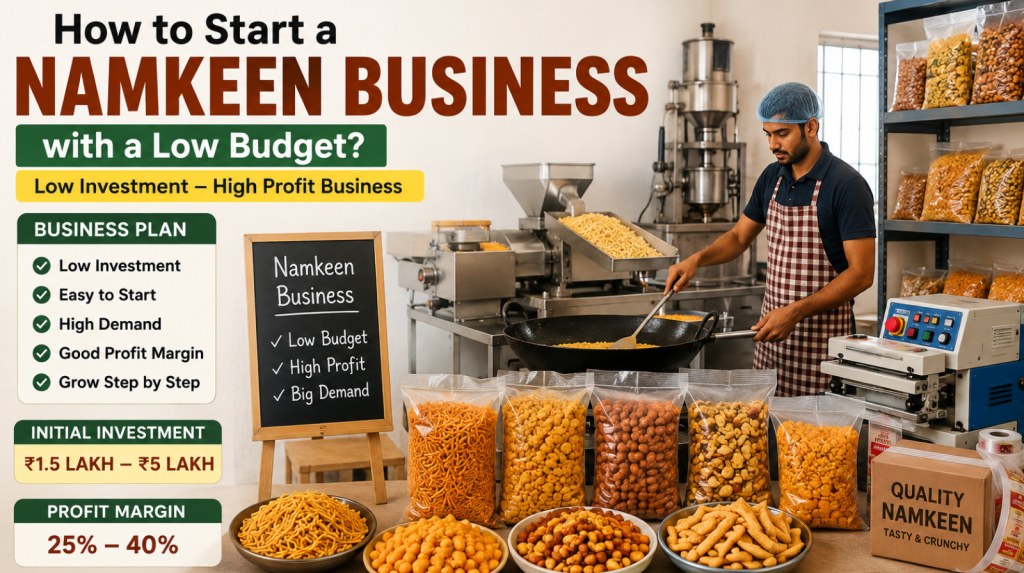
A small namkeen manufacturing business can potentially be started with approximately ₹1.5 lakh to ₹5 lakh, depending on production capacity, equipment, premises, and location. A basic setup may require:

Investment ItemApproximate Cost
Small production equipment₹50,000–₹1,50,000
Fryer and cooking equipment₹20,000–₹60,000
Sealing and weighing equipment₹15,000–₹50,000
Utensils and storage containers₹10,000–₹25,000
Initial raw materials₹20,000–₹40,000
Packaging and labels₹10,000–₹25,000
Licenses and registrations₹5,000–₹15,000
Branding and initial marketing₹10,000–₹25,000
Working capital₹30,000–₹75,000

These figures are indicative and can vary considerably by location and business scale.

Production and Operations Plan

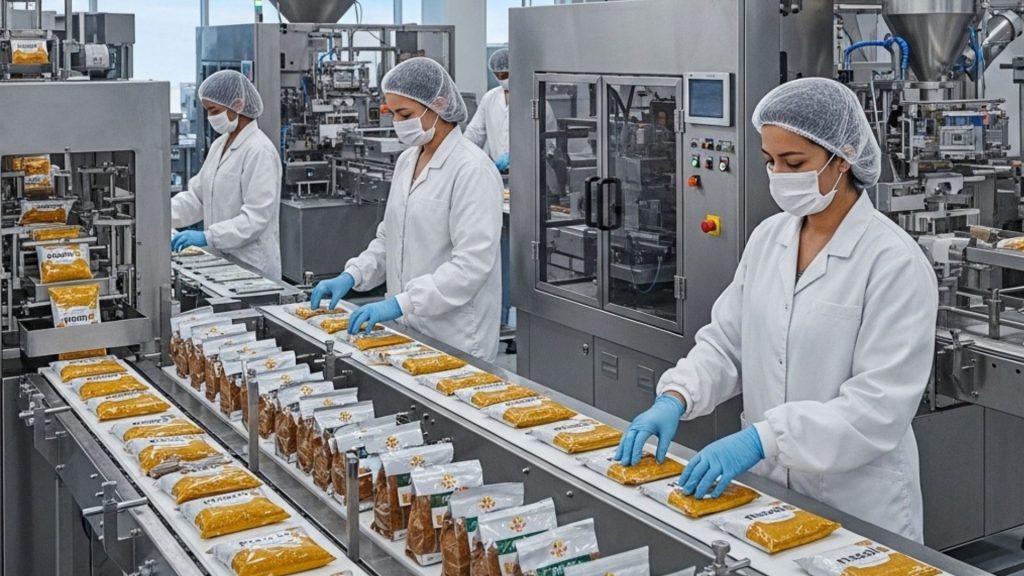
The namkeen manufacturing process begins with purchasing quality ingredients such as gram flour, potatoes, peanuts, pulses, spices, edible oil, and other ingredients required for individual recipes. Raw materials should be inspected and stored properly. Ingredients are then mixed, shaped, or processed according to the recipe and cooked or fried using appropriate equipment.

After cooking, products should be cooled properly before packaging. The finished namkeen should be weighed accurately and packed in suitable food-grade packaging. Labels should provide the required product information and comply with applicable food regulations. Hygiene, pest control, safe water, clean equipment, and proper storage should be treated as essential parts of daily operations.

Initially, the owner can manage purchasing, production supervision, and sales while employing a small number of workers for preparation, frying, packaging, and cleaning.

Target Market

The target customers include households, students, office workers, shopkeepers, tea stalls, restaurants, caterers, and small retailers. Local grocery stores can become an important sales channel because namkeen is a frequently purchased snack.

For B2B sales, offer retailers attractive margins and reliable delivery. For direct customers, create smaller affordable packs and premium varieties. Festival seasons, weddings, parties, and local events can also generate additional bulk orders.

Marketing Strategy

Branding is important even for a small namkeen business. Select a memorable brand name, create an attractive logo, and use clean, professional packaging. Begin marketing within a limited geographic area instead of spending heavily on nationwide advertising.

Distribute free samples to local grocery stores and tea shops. Offer introductory discounts to retailers and encourage customers to provide feedback. Use WhatsApp, Facebook, and Instagram to showcase products, new flavors, and promotional offers. Local food exhibitions and community events can also help introduce the brand.

A strong strategy is to establish one or two products as signature products and build the brand around their taste and quality.

Revenue and Profit Potential

Suppose a small unit sells an average of 100 kg of namkeen per day at an average realization of ₹180 per kg. Daily sales would be approximately ₹18,000. At 25 operating days, monthly sales could reach around ₹4.5 lakh.

Actual profit will depend on ingredient prices, oil consumption, packaging, labor, rent, transportation, retailer margins, wastage, and selling price. A small branded namkeen business may target a gross margin of roughly 25%–40%, but the final net profit after all operating expenses will be substantially lower. Entrepreneurs should calculate product-wise costs before fixing prices.

Growth Opportunities

Once the business develops a loyal customer base, expansion can take several forms. The entrepreneur can introduce new flavors, premium namkeen, baked snacks, healthy snack mixes, and festival gift packs. Distribution can be expanded from local shops to supermarkets and online marketplaces. Bulk institutional supply can also provide additional revenue.

In the long term, the business can invest in automated production and packaging equipment, establish distributors in nearby cities, launch a larger product portfolio, and eventually develop a franchise or regional brand.

Conclusion

Starting a namkeen business with a low budget is possible when the entrepreneur begins with a focused product range, controls costs, and concentrates on quality and local distribution. The key to success is not simply producing large quantities but creating tasty, hygienic, and consistently packaged products that customers want to purchase again. By starting small, reinvesting profits, and gradually expanding distribution, a namkeen manufacturing unit can develop from a home or small workshop operation into a profitable regional snack brand.

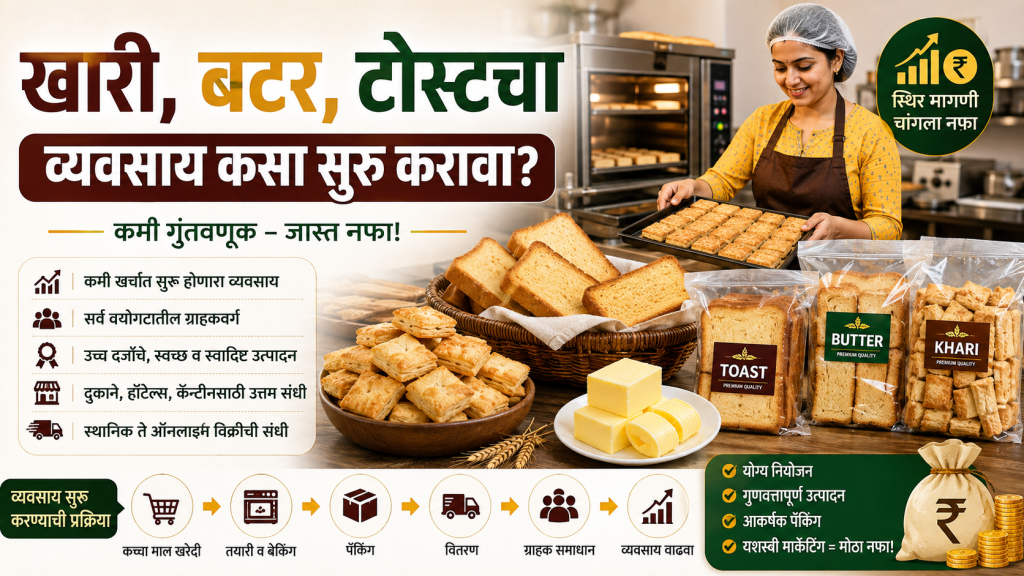
खारी, बटर, टोस्टचा व्यवसाय कसा सुरू करावा?

खारी, बटर, टोस्टचा व्यवसाय कसा सुरू करावा? संपूर्ण व्यवसाय मार्गदर्शन.

खारी, बटर आणि टोस्ट हे चहा-कॉफीसोबत मोठ्या प्रमाणावर खाल्ले जाणारे लोकप्रिय बेकरी उत्पादने आहेत. किराणा दुकाने, चहाचे स्टॉल, हॉटेल्स, कॅन्टीन, ऑफिस कॅफेटेरिया, हॉस्टेल, सुपरमार्केट आणि घरगुती ग्राहक यांच्याकडून या उत्पादनांना नियमित मागणी मिळू शकते. त्यामुळे खारी-बटर-टोस्ट उत्पादन व विक्रीचा व्यवसाय हा छोट्या किंवा मध्यम स्तरावर सुरू करता येणारा चांगला खाद्य व्यवसाय आहे. सुरुवातीला स्वतःच्या घरातून किंवा छोट्या उत्पादन युनिटमधून मर्यादित प्रमाणात उत्पादन सुरू करून स्थानिक दुकानदारांना पुरवठा करता येतो आणि मागणी वाढल्यानंतर उत्पादन व वितरण व्यवस्था विस्तारता येते.

१. व्यवसायाचे स्वरूप

या व्यवसायात तुम्ही स्वतः खारी, बटर आणि टोस्ट तयार करून विकू शकता किंवा सुरुवातीला एखाद्या बेकरी उत्पादकाकडून माल घाऊक दरात घेऊन स्वतःच्या ब्रँडने किंवा वितरक म्हणून विक्री सुरू करू शकता. स्वतः उत्पादन केल्यास उत्पादनाची गुणवत्ता, चव, आकार आणि पॅकेजिंगवर अधिक नियंत्रण राहते; मात्र ओव्हन, मिक्सर, कामाची जागा, प्रशिक्षित कर्मचारी आणि खाद्य सुरक्षा यांसाठी अधिक गुंतवणूक आवश्यक असते.

सुरुवातीला तीनच उत्पादने ठेवणे योग्य ठरू शकते—प्लेन खारी, बटर आणि साधा टोस्ट. ग्राहकांचा प्रतिसाद मिळाल्यानंतर मसाला खारी, जीरा टोस्ट, मिल्क टोस्ट, रवा टोस्ट किंवा इतर बेकरी स्नॅक्स जोडता येतील.

२. बाजारपेठ आणि ग्राहक

या व्यवसायासाठी ग्राहकवर्ग मोठा आहे. विशेषतः:

  • किराणा दुकाने
  • चहा आणि नाश्त्याची दुकाने
  • बेकरी
  • हॉटेल्स व रेस्टॉरंट्स
  • कॅन्टीन
  • ऑफिस कॅफेटेरिया
  • हॉस्टेल आणि पीजी
  • सुपरमार्केट
  • स्थानिक डिस्ट्रीब्युटर्स
  • घरगुती ग्राहक
  • ऑनलाइन ग्राहक

B2B विक्रीवर विशेष लक्ष द्या. उदाहरणार्थ, २० किराणा दुकाने आणि १० चहाच्या स्टॉल्सना नियमित माल पुरवठा मिळाला तर रोजच्या किरकोळ ऑर्डर्सच्या तुलनेत व्यवसायाला अधिक स्थिर विक्री मिळू शकते.

३. उत्पादनासाठी आवश्यक कच्चा माल

उत्पादनाच्या प्रकारानुसार साहित्य बदलते. साधारणपणे खालील साहित्याची आवश्यकता असू शकते:

  • मैदा
  • बटर किंवा योग्य बेकरी फॅट
  • साखर
  • मीठ
  • यीस्ट किंवा उत्पादनाच्या पद्धतीनुसार इतर घटक
  • पाणी
  • दूध/दूध पावडर, आवश्यक असल्यास
  • फ्लेवरिंग किंवा इतर मान्यताप्राप्त खाद्य घटक
  • पॅकेजिंग पाऊच
  • लेबल
  • कार्टन बॉक्स

महत्त्वाचे: प्रत्येक उत्पादनाची प्रमाणबद्ध रेसिपी तयार करा. प्रत्येक बॅचमध्ये चव, कुरकुरीतपणा, रंग आणि वजन एकसारखे राहणे आवश्यक आहे.

४. आवश्यक मशीनरी आणि उपकरणे

छोट्या उत्पादन युनिटसाठी:

  • Commercial Baking Oven
  • Dough Kneader/Mixer
  • Dough Sheeter
  • Baking Trays
  • Stainless Steel Work Tables
  • Weighing Scale
  • Cooling Racks
  • Packaging/Sealing Machine
  • Storage Containers
  • Refrigerator, आवश्यक असल्यास
  • Exhaust/Ventilation System
  • खाद्यपदार्थांसाठी योग्य स्वच्छता उपकरणे

खारीचे व्यावसायिक उत्पादन करण्यासाठी विशेषतः लॅमिनेशन आणि बेकिंग प्रक्रियेवर चांगले नियंत्रण असणे आवश्यक आहे. त्यामुळे मशीन घेण्यापूर्वी प्रत्यक्ष प्रशिक्षण घेणे फायदेशीर ठरते.

५. अंदाजे सुरुवातीची गुंतवणूक

गुंतवणूक व्यवसायाचा आकार, मशीनची क्षमता आणि जागेनुसार मोठ्या प्रमाणात बदलू शकते.

खर्चाचा प्रकारअंदाजे बजेट
किचन/वर्कस्पेस सेटअप₹20,000–₹75,000
ओव्हन₹30,000–₹1,50,000+
Dough Mixer/Kneader₹15,000–₹60,000+
Dough Sheeter₹20,000–₹1,00,000+
ट्रे, टेबल व उपकरणे₹15,000–₹40,000
पॅकेजिंग मशीन व साहित्य₹10,000–₹40,000
सुरुवातीचा कच्चा माल₹15,000–₹30,000
ब्रँडिंग व मार्केटिंग₹5,000–₹25,000
इतर/वर्किंग कॅपिटल₹20,000–₹50,000

लहान युनिटसाठी एकूण बजेट साधारण ₹1.5 लाख ते ₹4 लाख किंवा त्यापेक्षा जास्त असू शकते. प्रत्यक्ष खर्च उपकरणांची क्षमता आणि स्थानिक दरांवर अवलंबून असेल.

जर उत्पादन स्वतः न करता सुरुवातीला तयार माल घाऊक दरात घेऊन विक्री केली, तर गुंतवणूक लक्षणीयरीत्या कमी होऊ शकते.

६. उत्पादन प्रक्रिया

खारी

मैदा आणि आवश्यक घटकांपासून dough तयार केला जातो. त्यानंतर dough ला योग्य पद्धतीने लॅमिनेट करून बटर/फॅटचे थर तयार केले जातात. Dough ला योग्य आकार देऊन कापले जाते आणि नियंत्रित तापमानावर बेक केले जाते. बेकिंगनंतर खारी पूर्णपणे थंड करून वजनानुसार पॅक केली जाते.

बटर

बटर टोस्ट किंवा बटर बिस्किटसारख्या उत्पादनाची रेसिपी वेगळी असू शकते. प्रमाणबद्ध मिश्रण तयार करून योग्य आकार दिला जातो आणि नियंत्रित तापमानात बेक केला जातो.

टोस्ट

ब्रेड तयार करून त्याचे स्लाइस केले जातात. त्यानंतर योग्य तापमानावर पुन्हा बेक/टोस्ट करून त्यातील आर्द्रता कमी केली जाते. पूर्णपणे थंड झाल्यावर टोस्ट हवाबंद पॅकेजिंगमध्ये भरला जातो.

प्रत्येक उत्पादनासाठी Standard Operating Procedure (SOP) तयार करणे व्यवसायाच्या वाढीसाठी अत्यंत महत्त्वाचे आहे.

७. ब्रँड आणि पॅकेजिंग

खारी-बटर-टोस्ट व्यवसायात पॅकेजिंग ग्राहकांच्या खरेदीच्या निर्णयावर परिणाम करू शकते. आकर्षक, स्वच्छ आणि मजबूत पॅकेजिंग वापरा.

पॅकेटवर लागू असलेल्या नियमांनुसार उत्पादनाचे नाव, घटक, निव्वळ वजन, बॅच/लॉट माहिती, उत्पादन/पॅकिंग संबंधित माहिती, Best Before/Expiry संबंधित माहिती, MRP, उत्पादकाचे नाव-पत्ता आणि आवश्यक परवाना/नोंदणी तपशील द्या.

ब्रँडचे नाव सोपे आणि लक्षात राहणारे ठेवा. उदाहरणार्थ:

“घरची बेकरी”, “क्रिस्पी बाइट”, “फ्रेश क्रंच”, “मॉर्निंग बेक्स” इत्यादी.

ब्रँड नाव निवडण्यापूर्वी त्याची उपलब्धता आणि ट्रेडमार्क संबंधित बाबी तपासा.

८. किंमत ठरविण्याची पद्धत

किंमत ठरवताना फक्त कच्च्या मालाचा खर्च पाहू नका. खालील सर्व खर्च जोडा:

उत्पादन खर्च + पॅकेजिंग + मजुरी + गॅस/वीज + भाडे + वाहतूक + खराब/न विकला गेलेला माल + मार्केटिंग + कर/इतर खर्च = वास्तविक खर्च

यानंतर योग्य नफा मार्जिन ठेवून घाऊक आणि किरकोळ किंमत ठरवा.

उदाहरणार्थ, जर एखाद्या पॅकेटची एकूण landed cost ₹25 असेल, तर त्यावर तुमच्या वितरण पद्धतीनुसार योग्य मार्जिन ठेवून विक्री किंमत निश्चित करा. प्रत्यक्ष किंमत स्थानिक स्पर्धा आणि उत्पादनाच्या गुणवत्तेनुसार ठरवा.

९. विक्रीचे मॉडेल

मॉडेल १ – थेट ग्राहक विक्री

घरातून किंवा छोट्या दुकानातून ग्राहकांना थेट विक्री.

मॉडेल २ – Wholesale

किराणा दुकाने, चहाचे स्टॉल आणि बेकरीला मोठ्या प्रमाणात माल देणे.

मॉडेल ३ – Distributor

एखाद्या परिसरात वितरक नेमून अधिक दुकानांमध्ये उत्पादन पोहोचवणे.

मॉडेल ४ – Private Label

इतर दुकानदारांसाठी त्यांच्या ब्रँडच्या नावाने उत्पादन करणे.

मॉडेल ५ – Online

स्वतःच्या वेबसाइट, WhatsApp Business किंवा उपलब्ध ऑनलाइन विक्री माध्यमांद्वारे पॅकेज्ड उत्पादने विकणे.

१०. मार्केटिंग योजना

पहिल्या टप्प्यात स्थानिक B2B मार्केटिंग सर्वात प्रभावी ठरू शकते.

दररोज १०–२० दुकानांना भेट द्या. दुकानदाराला नमुना पॅकेट, किंमत यादी आणि तुमच्या उत्पादनाची माहिती द्या. सुरुवातीला छोटा trial order घ्या. उत्पादन आवडल्यास नियमित पुरवठ्याचे वेळापत्रक निश्चित करा.

डिजिटल मार्केटिंग

  • WhatsApp Business Catalog
  • Facebook Page
  • Instagram
  • Google Business Profile
  • YouTube Shorts
  • स्थानिक WhatsApp Groups
  • स्थानिक ऑनलाइन जाहिराती

व्हिडिओमध्ये खारी तयार होण्याची प्रक्रिया, टोस्टचा कुरकुरीतपणा, पॅकेजिंग, स्वच्छ उत्पादन युनिट आणि ग्राहकांचे अभिप्राय दाखवू शकता.

११. विक्री वाढविण्यासाठी ऑफर्स

  • दुकानदारांसाठी introductory offer
  • Bulk order discount
  • Combo Pack – खारी + बटर + टोस्ट
  • नवीन ग्राहकांसाठी sample pack
  • नियमित दुकानदारांसाठी monthly scheme
  • सणासुदीच्या काळात gift packs

मात्र प्रत्येक ऑफरमध्ये तुमचा नफा टिकतोय का हे गणित करणे आवश्यक आहे.

१२. परवाने आणि खाद्य सुरक्षा

हा खाद्यपदार्थांचा व्यवसाय असल्यामुळे भारतातील लागू खाद्य सुरक्षा आणि स्थानिक व्यवसाय नियमांचे पालन करणे महत्त्वाचे आहे. व्यवसायाच्या आकारानुसार FSSAI registration/license, स्थानिक प्राधिकरणाची परवानगी, कर नोंदणी आणि इतर लागू नियम तपासा. पॅकेज्ड खाद्यपदार्थ विकताना लेबलिंग आणि पॅकेजिंगसंबंधी लागू नियमांचे पालन करा.

१३. मनुष्यबळ

सुरुवातीला २–३ व्यक्तींनी काम सांभाळता येऊ शकते:

  1. उत्पादन करणारी व्यक्ती
  2. पॅकिंग/गुणवत्ता तपासणी
  3. विक्री व डिलिव्हरी

ऑर्डर वाढल्यानंतर उत्पादन, पॅकिंग, डिलिव्हरी आणि विक्रीसाठी स्वतंत्र कर्मचारी ठेवता येतील.

१४. आर्थिक नियोजन

व्यवसाय सुरू करण्यापूर्वी Daily Production Sheet तयार करा.

दररोज नोंदवा:

  • किती किलो मैदा वापरला?
  • किती उत्पादन तयार झाले?
  • किती पॅकेट तयार झाले?
  • किती विकले?
  • किती परत आले?
  • कच्च्या मालाचा खर्च
  • पॅकेजिंग खर्च
  • वाहतूक खर्च
  • दिवसाची विक्री
  • दिवसाचा अंदाजे नफा

यामुळे कोणते उत्पादन सर्वाधिक फायदेशीर आहे हे समजेल.

१५. SWOT Analysis

Strengths – बलस्थाने

  • नियमित मागणी
  • चहा-कॉफीसोबत लोकप्रिय
  • अनेक विक्री चॅनेल
  • उत्पादनांचे विविध प्रकार

Weaknesses – कमकुवत बाजू

  • ताजेपणा टिकवण्याचे आव्हान
  • खाद्य उत्पादनात गुणवत्ता नियंत्रण आवश्यक
  • सुरुवातीला ब्रँड ओळख कमी

Opportunities – संधी

  • स्थानिक दुकानांना पुरवठा
  • स्वतःचा ब्रँड
  • ऑनलाइन विक्री
  • नवीन बेकरी उत्पादने
  • Distributor network

Threats – धोके

  • मोठ्या ब्रँडशी स्पर्धा
  • कच्च्या मालाच्या किमतीत वाढ
  • खराब/न विकला गेलेला स्टॉक
  • गुणवत्तेतील अस्थिरता

१६. ९० दिवसांची सुरुवातीची योजना

पहिला महिना:
बाजाराचा अभ्यास करा, रेसिपी निश्चित करा, प्रशिक्षण घ्या, उपकरणे निवडा आणि ३ उत्पादनांचे sample batches तयार करा.

दुसरा महिना:
ब्रँड नाव व पॅकेजिंग तयार करा, आवश्यक नोंदणी/परवानग्या पूर्ण करा आणि २०–५० स्थानिक दुकानदारांशी संपर्क साधा.

तिसरा महिना:
नियमित उत्पादन सुरू करा, WhatsApp/Instagram मार्केटिंग करा, repeat orders मिळवा आणि सर्वाधिक विकल्या जाणाऱ्या उत्पादनावर लक्ष केंद्रित करा.

१७. व्यवसाय वाढवण्याची योजना

एकदा खारी, बटर आणि टोस्टची विक्री स्थिर झाली की पुढील उत्पादने जोडता येतील:

  • Cream biscuits
  • Jeera biscuits
  • Nankhatai
  • Milk toast
  • Rusk
  • Salt biscuits
  • Masala khari
  • Cake rusk
  • Cookies

त्यानंतर परिसरनिहाय वितरक नेमून व्यवसायाचा विस्तार करता येईल. पुढील टप्प्यात स्वतःची बेकरी उत्पादन कंपनी/ब्रँड उभारण्याचे लक्ष्य ठेवता येईल.

निष्कर्ष

खारी, बटर आणि टोस्टचा व्यवसाय योग्य नियोजन, दर्जेदार उत्पादन, आकर्षक पॅकेजिंग आणि मजबूत वितरण नेटवर्कच्या मदतीने चांगला खाद्य व्यवसाय बनू शकतो. सुरुवातीला मोठ्या मशीनरीमध्ये पैसा गुंतवण्याऐवजी बाजारपेठेची मागणी तपासणे, उत्पादनाची चव आणि गुणवत्ता निश्चित करणे आणि काही स्थानिक दुकानदारांकडून नियमित ऑर्डर मिळवणे अधिक शहाणपणाचे आहे. विक्री स्थिर झाल्यानंतर उत्पादन क्षमता, कर्मचारी, वितरण क्षेत्र आणि उत्पादनांची संख्या वाढवावी. अशा टप्प्याटप्प्याने केलेल्या विस्तारामुळे जोखीम नियंत्रित ठेवून स्वतःचा खारी-बटर-टोस्ट ब्रँड उभा करता येतो.

How To Start The Best Tea Shop Business?

Start a Tea Shop Business? – Complete Business Plan

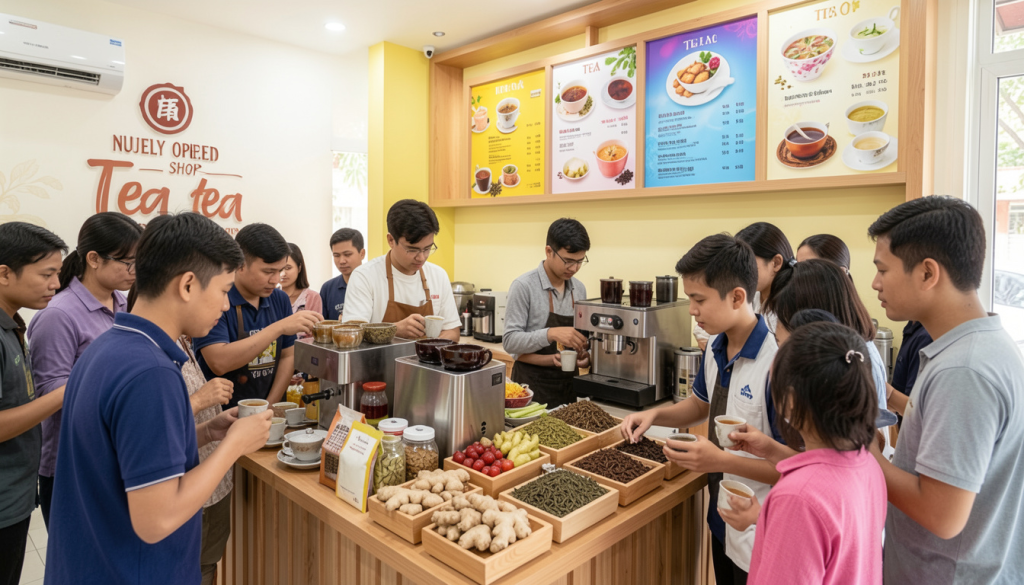
Tea is one of the most popular beverages in India and many other countries. Millions of people start their day with a cup of tea, while others enjoy it during breaks at work, meetings, and social gatherings. Due to its high demand and low startup cost, a tea stall business is considered one of the most profitable small-scale business opportunities. Even with a limited investment, an entrepreneur can start a tea stall and generate a steady daily income. Many successful food and beverage brands started as small tea businesses and later expanded into large enterprises. If you are looking for a low-risk business with regular customer demand, a tea stall can be an excellent choice.

Why Start a Tea Stall Business?

The biggest advantage of a tea shop business is its low investment requirement. Tea is consumed by people from all age groups and income levels, ensuring a large customer base. Unlike many businesses that require significant capital and specialized skills, a tea stall can be started with basic equipment and simple tea-making knowledge. The demand for tea remains stable throughout the year, making it a reliable source of income. Additionally, tea stalls can be established near offices, schools, colleges, bus stands, railway stations, markets, hospitals, and industrial areas where foot traffic is high.

Market Research and Business Planning

Before starting your tea stall, it is important to conduct market research. Observe the tea stalls operating in your chosen location and understand their pricing, customer preferences, and product offerings. Identify what makes your stall unique. You may offer premium tea, masala tea, ginger tea, lemon tea, green tea, or special regional flavors. Creating a simple business plan helps estimate startup costs, daily expenses, expected sales, and profit margins. A clear plan will help you manage your finances and operations effectively.

Choosing the Right Location

Location is one of the most important factors in the success of a tea stall business. A busy area with high pedestrian traffic can significantly increase sales. Locations near office complexes, educational institutions, transportation hubs, shopping markets, and industrial zones are ideal. Ensure that the area is accessible and visible to customers. If possible, choose a location with limited direct competition. A small but strategically located tea stall can often earn more revenue than a larger stall in a low-traffic area.

Investment and Setup Cost

Starting a tea stall business generally requires an investment between ₹20,000 and ₹2 lakh, depending on the size and setup. The major expenses include renting a space or purchasing a cart, utensils, gas stove, tea-making equipment, cups, storage containers, furniture, signage, and initial inventory. If you plan to operate from a permanent shop, the investment may be higher. Mobile tea carts require less investment and offer flexibility in choosing locations. Maintaining a clean and attractive setup can help attract more customers and build trust.

Equipment and Raw Materials

The basic equipment required includes a gas stove, tea vessels, kettles, cups, spoons, storage containers, water filters, and serving counters. The primary raw materials include tea leaves, milk, sugar, ginger, cardamom, spices, and disposable or reusable cups. Purchasing ingredients in bulk from wholesalers can reduce costs and improve profit margins. Consistent quality is essential for retaining customers, so always use fresh and high-quality ingredients.

Menu and Pricing Strategy

A successful tea stall should offer more than just regular tea. You can include a variety of beverages such as masala tea, ginger tea, lemon tea, green tea, black tea, and cold tea. Adding snacks like biscuits, toast, sandwiches, samosas, and snacks can increase average customer spending. Pricing should be competitive while ensuring profitability. Analyze local market rates and maintain a balance between affordability and quality. Offering combo deals can help increase sales during peak hours.

Marketing and Customer Attraction

Marketing is crucial for attracting and retaining customers. Start by creating a unique brand name and attractive signage. Maintain cleanliness, provide quick service, and focus on taste consistency. Word-of-mouth marketing is highly effective in the tea business. Encourage satisfied customers to recommend your stall to others. Social media platforms such as Instagram and Facebook can be used to promote your tea stall, share photos, and announce special offers. Loyalty programs, discounts for regular customers, and seasonal promotions can further increase customer engagement.

Profit Potential and Growth Opportunities

A tea stall can generate attractive profits if managed efficiently. The profit margin on tea is generally high because the cost of ingredients is relatively low compared to the selling price. A busy tea stall can serve hundreds of customers daily, creating a steady income stream. As the business grows, you can expand by opening additional stalls, introducing franchise opportunities, or establishing a tea café. You can also develop your own tea brand and sell packaged tea products through retail stores and online platforms.

Challenges and Tips for Success

Like any business, a tea stall faces challenges such as competition, changing customer preferences, and fluctuations in ingredient prices. Success depends on maintaining quality, cleanliness, customer service, and consistency. Listening to customer feedback and regularly introducing new flavors can help keep your offerings attractive. Keeping expenses under control and monitoring daily sales will improve profitability. Building strong relationships with customers can turn occasional visitors into loyal patrons.

Tea Stall Business Plan – Complete Business Plan

A tea stall business is a low-investment, high-demand food and beverage venture that serves tea, coffee, and light snacks to customers. Tea is one of the most consumed beverages in India, creating a large and consistent customer base. The business can be started from a small kiosk, roadside stall, food cart, or rented shop and later expanded into a tea café or franchise chain. The objective is to provide quality tea, excellent customer service, and affordable pricing while generating sustainable profits.

Business Overview

The tea stall will offer a variety of beverages including regular tea, masala tea, ginger tea, cardamom tea, lemon tea, green tea, black tea, coffee, and seasonal beverages. Additional products such as biscuits, toast, sandwiches, samosas, and snacks will be sold to increase revenue.

Business Goals
  • Build a loyal customer base within the first six months.
  • Achieve daily sales of 200–500 cups of tea.
  • Generate consistent monthly profits.
  • Expand into multiple locations within three years.
  • Develop a recognizable local tea brand.
Market Analysis
Industry Overview

The tea and beverage industry continues to grow due to increasing urbanization, office culture, and changing lifestyles. Tea remains a daily necessity for millions of consumers, making the business relatively resistant to economic fluctuations.

Target Customers
  • Office employees
  • Students
  • Factory workers
  • Shopkeepers
  • Daily commuters
  • Taxi and auto drivers
  • Market visitors
  • Local residents
Customer Needs
  • Affordable refreshments
  • Quick service
  • Hygienic preparation
  • Consistent taste
  • Convenient location
Location Strategy

Location is the most critical success factor.

Ideal Locations
  • Near office complexes
  • Railway stations
  • Bus stands
  • College campuses
  • Marketplaces
  • Hospitals
  • Industrial areas
  • Commercial streets
Location Requirements
  • High foot traffic
  • Easy visibility
  • Water availability
  • Electricity access
  • Space for customers to stand or sit
Products and Services
Tea Varieties
  • Regular Tea
  • Masala Tea
  • Ginger Tea
  • Cardamom Tea
  • Lemon Tea
  • Green Tea
  • Black Tea
  • Special Premium Tea
Additional Products
  • Coffee
  • Biscuits
  • Toast
  • Sandwiches
  • Samosas
  • Kachori
  • Cookies
  • Namkeen
Premium Services
  • Office tea delivery
  • Event tea catering
  • Corporate tea supply
  • Bulk tea orders
Startup Cost Estimate
ItemEstimated Cost (₹)
Stall/Kiosk Setup30,000
Furniture15,000
Gas Stove & Cylinders8,000
Utensils & Equipment12,000
Initial Raw Materials10,000
Licenses & Permits5,000
Branding & Signboard10,000
Working Capital30,000
Total Investment1,20,000

The business can also be started with a lower investment of ₹30,000–₹50,000 using a tea cart model.

Revenue Model
Daily Sales Example
  • Tea cups sold per day: 300
  • Average selling price: ₹15
  • Daily tea revenue: ₹4,500
Snacks Revenue
  • Daily snack sales: ₹2,000
Total Daily Revenue

₹6,500

Monthly Revenue

₹6,500 × 30 days = ₹1,95,000

Monthly Expenses Approx
ExpenseAmount (₹)
Rent15,000
Raw Materials45,000
Staff Salary20,000
Utilities5,000
Transportation3,000
Miscellaneous7,000
Total Expenses95,000
Profit Projection
Monthly Revenue

₹1,95,000

Monthly Expenses

₹95,000

Estimated Monthly Profit

₹1,00,000

Profit margins generally range from 35% to 55%, depending on location and operating efficiency.

Marketing Strategy

Offline Marketing
  • Attractive signboards
  • Free samples
  • Opening offers
  • Customer loyalty cards
  • Referral discounts
  • Partnerships with nearby offices
Online Marketing
  • Create business profiles on social media.
  • Share product photos and customer reviews.
  • Promote special tea flavors.
  • Run local advertising campaigns.
  • Offer online ordering and delivery.
Branding Strategy
  • Create a memorable business name.
  • Use branded cups and packaging.
  • Maintain consistent quality.
  • Develop a signature tea recipe.
Operations Plan
Daily Operations
  1. Purchase fresh milk and ingredients.
  2. Prepare tea mixtures.
  3. Maintain cleanliness and hygiene.
  4. Serve customers efficiently.
  5. Track sales and inventory.
  6. Replenish stock daily.
Inventory Management

Maintain adequate stock of:

  • Tea leaves
  • Milk
  • Sugar
  • Ginger
  • Cardamom
  • Lemon
  • Snacks
  • Disposable cups
Staffing Requirements

Initially:

  • Owner/Manager
  • One tea maker
  • One helper

As business grows:

  • Cashier
  • Additional tea makers
  • Delivery staff
Risk Management

Potential Risks

  • Competition
  • Rising milk prices
  • Seasonal demand changes
  • Labor shortages
  • Regulatory compliance issues
Risk Reduction Strategies
  • Maintain quality standards.
  • Offer unique tea varieties.
  • Build customer loyalty.
  • Control operating costs.
  • Diversify product offerings.
Growth Opportunities

Year 1

Establish a profitable tea stall.

Year 2

Add snacks and delivery services.

Year 3

Open additional outlets.

Year 4

Launch a tea café.

Year 5

Develop a franchise model and packaged tea products.

Conclusion

A tea stall business is one of the most profitable low-investment ventures available. With strategic location selection, quality products, effective marketing, and excellent customer service, entrepreneurs can generate steady income and gradually expand into a successful tea brand. The business offers strong growth potential, manageable risks, and the opportunity to scale from a small roadside stall to a multi-location enterprise.

Read more :

How to Start Tea Shop Business Plan in India

How to Start The Best Fast Food Business?

How to Start a Fast Food Business in India – Complete Business Plan

Starting a fast food corner is one of the most profitable small business opportunities for aspiring entrepreneurs. With increasing urbanization, busy lifestyles, and a growing demand for quick and affordable meals, fast food businesses continue to attract a large number of customers every day. A well-planned fast food corner can generate consistent income with relatively low investment compared to large restaurants. Whether you want to sell burgers, sandwiches, pizzas, rolls, fries, momos, or local street food items, success depends on proper planning, quality food, and excellent customer service.

The first step in starting a fast food corner is conducting market research. Study the local area and identify the food preferences of potential customers. Locations near schools, colleges, offices, shopping centers, bus stands, railway stations, and residential areas often provide excellent business opportunities. Analyze competitors, their pricing, menu offerings, customer traffic, and service quality. This information will help you create a unique selling proposition and attract customers to your fast food corner. Choosing the right location is one of the most important factors influencing business success.

After selecting a suitable location, prepare a detailed business plan. Estimate the startup costs, including shop rent, interior setup, kitchen equipment, furniture, raw materials, licenses, marketing, and working capital. Depending on the scale of operations, a small fast food corner can often be started with a moderate investment. Essential equipment may include a refrigerator, cooking range, fryer, griller, microwave oven, food preparation tables, storage containers, and serving counters. Maintain proper hygiene standards and ensure compliance with local food safety regulations and licensing requirements.

Menu planning plays a crucial role in attracting customers and maximizing profits. Focus on a limited menu initially and offer food items that are easy to prepare, highly demanded, and profitable. Quality ingredients, consistent taste, attractive presentation, and reasonable pricing will help build customer loyalty. Introduce combo meals, special offers, and seasonal items to increase sales. Understanding food costs and maintaining proper inventory management can significantly improve profit margins and reduce wastage.

Marketing is essential for building brand awareness and attracting customers. Create an appealing business name, logo, and signage that can easily catch people’s attention. Use social media platforms to promote your fast food corner by sharing food photos, special offers, customer reviews, and videos. Register your business on food delivery platforms to expand your customer reach. Offering discounts during the launch period can encourage trial purchases and help generate positive word-of-mouth marketing.

Customer service is another key factor in long-term success. Fast service, friendly staff, clean surroundings, and quality food create a positive customer experience. Encourage customer feedback and continuously improve your products and services based on their suggestions. Maintaining consistency in taste and service quality helps build a loyal customer base and encourages repeat business.

A fast food corner can become a highly profitable venture when managed efficiently. By selecting the right location, offering delicious food, maintaining hygiene standards, controlling costs, and implementing effective marketing strategies, entrepreneurs can build a successful and sustainable fast food business. With dedication, innovation, and customer-focused service, a small fast food corner can eventually grow into a recognized local brand and a rewarding long-term business opportunity.

Fast Food Corner Business Plan

A fast food corner is a quick-service food outlet that serves freshly prepared food at affordable prices. The business can operate from a small shop, kiosk, food truck, or takeaway outlet. The main objective is to provide tasty food, quick service, hygienic preparation, and customer satisfaction while maintaining profitability.

Business Goals

  • Establish a profitable fast food corner within the first year.
  • Build a loyal customer base.
  • Generate regular monthly profits.
  • Expand into online food delivery platforms.
  • Open additional outlets in the future.

Market Research

Before investing money, conduct detailed market research. Study local food preferences, customer demographics, competition, and pricing strategies. Areas near schools, colleges, offices, shopping centers, bus stands, railway stations, and residential societies often offer excellent opportunities.

Key factors to analyze:

  • Popular food items in the area.
  • Competitor pricing.
  • Customer purchasing habits.
  • Peak business hours.
  • Demand for takeaway and delivery services.

Market research helps identify gaps in the market and allows you to create a menu that attracts customers.

Investment Required in India

The investment depends on location, shop size, and menu offerings.

Small Fast Food Corner

Estimated Investment: ₹3 Lakh – ₹5 Lakh

Medium-Sized Outlet

Estimated Investment: ₹5 Lakh – ₹15 Lakh

Premium Fast-Food Restaurant

Estimated Investment: ₹15 Lakh – ₹50 Lakh+

Typical Startup Expenses

Shop Deposit and Rent: ₹50,000 – ₹3,00,000

Interior Setup: ₹50,000 – ₹2,00,000

Kitchen Equipment: ₹1,00,000 – ₹5,00,000

Furniture and Seating: ₹25,000 – ₹2,00,000

Licenses and Registration: ₹10,000 – ₹50,000

Initial Inventory: ₹25,000 – ₹1,00,000

Marketing and Branding: ₹20,000 – ₹1,00,000

Working Capital: ₹50,000 – ₹3,00,000

Location Selection

Location is one of the most important factors in the success of a fast-food business.

Ideal locations include:

  • College areas
  • School zones
  • Office complexes
  • Shopping markets
  • Railway stations
  • Bus terminals
  • Residential neighborhoods

Choose a location with high foot traffic and good visibility. Easy accessibility and parking facilities can significantly increase customer visits.

Licenses and Legal Requirements

To operate legally in India, obtain the following licenses:

  • FSSAI License
  • Shop and Establishment Registration
  • Trade License
  • GST Registration (if applicable)
  • Fire Safety Clearance (for larger outlets)
  • Local Municipal Permissions

Maintaining food safety and hygiene standards is essential for long-term business success.

Equipment Required

Essential equipment includes:

  • Deep Fryer
  • Commercial Griller
  • Refrigerator
  • Deep Freezer
  • Gas Stove
  • Microwave Oven
  • Food Preparation Tables
  • POS Billing System
  • Storage Containers
  • Cooking Utensils
  • Packaging Materials

Purchasing durable equipment helps reduce maintenance costs and ensures smooth operations.

Menu Planning

Start with a limited menu that is easy to prepare and offers high profit margins.

Popular fast-food items include:

  • Veg and Chicken Burgers
  • Sandwiches
  • French Fries
  • Pizza Slices
  • Momos
  • Noodles
  • Wraps and Rolls
  • Fried Chicken
  • Soft Drinks
  • Fresh Juices
  • Tea and Coffee

Focus on food quality, consistent taste, and attractive presentation to build customer loyalty.

Staffing Requirements

For a small outlet:

Owner/Manager: 1

Cook: 1–2

Kitchen Assistant: 1

Cashier: 1

Delivery Executive: 1–2 (if offering delivery)

Proper staff training in food preparation, hygiene, and customer service improves operational efficiency.

Marketing Strategy

Marketing is essential for attracting customers and building brand recognition.

Offline Marketing

  • Attractive Signboards
  • Flyers and Brochures
  • Local Newspaper Advertisements
  • Promotional Events

Online Marketing

  • Facebook Business Page
  • Instagram Marketing
  • WhatsApp Promotions
  • Google Business Profile
  • Food Delivery Apps

Promotional Offers

  • Combo Meals
  • Student Discounts
  • Happy Hour Offers
  • Loyalty Programs
  • Buy-One-Get-One Deals

Strong marketing helps increase customer traffic and repeat purchases.

Operations Plan

Daily operations should include:

  • Purchasing fresh ingredients.
  • Food preparation and quality checks.
  • Inventory management.
  • Customer service.
  • Cleaning and sanitation.
  • Cash flow monitoring.
  • Daily sales tracking.

Efficient operations reduce waste and improve profitability.

Revenue Model

Revenue sources include:

  • Walk-in Customers
  • Takeaway Orders
  • Online Deliveries
  • Catering Services
  • Beverage Sales
  • Combo Meal Sales

Beverages, fries, and combo meals often provide higher profit margins than main food items.

Financial Projections

Assume:

Average Customers Per Day: 100

Average Order Value: ₹150

Daily Revenue: ₹15,000

Monthly Revenue: ₹4,50,000

Monthly Expenses

Rent: ₹30,000

Staff Salaries: ₹80,000

Raw Materials: ₹1,50,000

Utilities: ₹10,000

Marketing: ₹10,000

Miscellaneous Expenses: ₹20,000

Total Expenses: ₹3,00,000

Estimated Monthly Profit

₹1,50,000

With increased customer volume and effective management, profits can grow substantially over time.

Risk Management

Common risks include:

  • Strong competition
  • Rising food costs
  • Poor customer reviews
  • Staff turnover
  • Economic slowdowns

These risks can be minimized through excellent customer service, inventory control, menu innovation, and continuous quality improvement.

Expansion Opportunities

Once the business becomes profitable, consider:

  • Opening additional outlets
  • Launching a food truck
  • Offering catering services
  • Developing a franchise model
  • Creating a proprietary mobile ordering app
  • Expanding into cloud kitchens

Conclusion

Starting a fast-food corner in India can be a highly profitable and scalable business opportunity. With an investment of ₹3 lakh to ₹15 lakh, entrepreneurs can establish a successful outlet serving high-demand food items. Success depends on choosing the right location, maintaining food quality, controlling costs, implementing effective marketing strategies, and delivering excellent customer service. By focusing on customer satisfaction and operational efficiency, a fast-food corner can become a thriving long-term business and a recognized local brand.

Read more :

How To Start Fast Food Business: Your Guide To Success

How To Start The Best Bakery Production Unit?

How To Start a Best Bakery Production Unit – Complete Business Guide
Introduction to Bakery Business

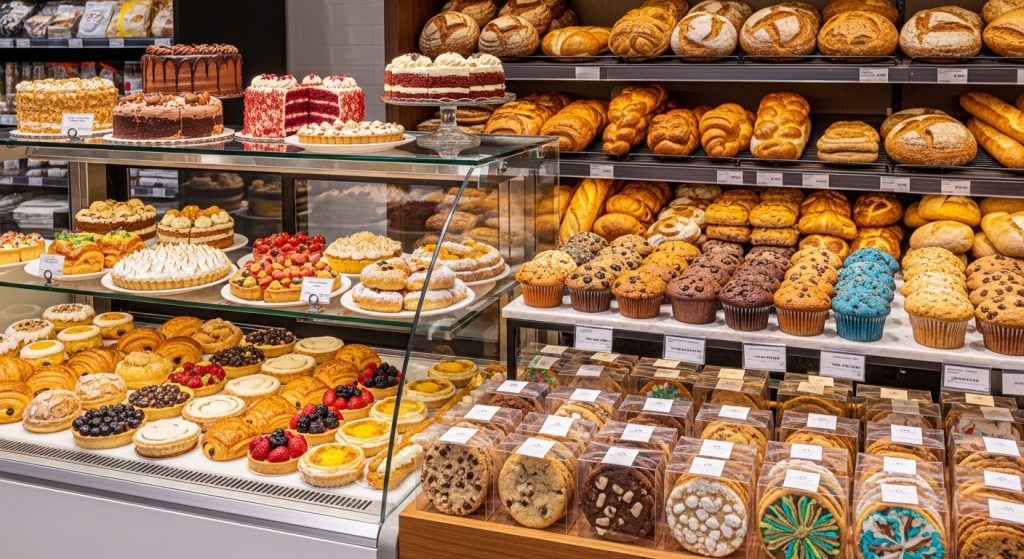
A bakery production unit is one of the most profitable and evergreen medium-scale businesses, especially in a growing market like India. Bakery products such as bread, cakes, biscuits, cookies, pastries, and buns are consumed daily by people of all age groups, making this industry highly stable and demand-driven. With changing lifestyles, urbanization, and increasing preference for ready-to-eat food, bakery items have become an essential part of modern diets. A bakery production unit focuses on manufacturing baked goods in bulk and supplying them to retail shops, supermarkets, cafes, and online customers.

Business Plan and Model

The first step in starting a bakery production unit is deciding on your product range. You can focus on bread and buns for daily consumption or expand into premium products like cakes, pastries, cookies, and customized desserts. The business model can be B2B (supplying to retailers, hotels, and cafes) or B2C (direct sales through your own outlet or online platforms). Setting up a production unit requires equipment such as ovens, mixers, dough kneaders, proofing chambers, and packaging machines. Obtaining necessary licenses from the Food Safety and Standards Authority of India is mandatory to ensure food safety and quality standards. Distribution can be done through local vendors, supermarkets, and online platforms like Amazon and Flipkart.

Startup Cost and Investment

The investment required for a medium-scale bakery production unit typically ranges between ₹10 lakh and ₹50 lakh, depending on the scale and product variety. Major costs include machinery (₹5–₹20 lakh), kitchen setup, raw materials, packaging, labor, and rental or purchase of space. High-quality ovens and baking equipment are crucial investments that directly impact product quality. Additional expenses include branding, licensing, electricity setup, and initial marketing. Working capital for at least 3–6 months is necessary to manage operations smoothly and maintain consistent production.

Profit Margin and Revenue Potential

The bakery business offers attractive profit margins ranging from 20% to 40%, depending on the product category. Basic items like bread have lower margins but high sales volume, while premium products like cakes, pastries, and cookies offer higher margins. For example, a cake costing ₹200–₹300 to produce can be sold at ₹500–₹800 or more, depending on design and branding. A well-managed bakery unit can generate monthly revenues between ₹3 lakh and ₹20 lakh or more. As the brand grows and customer loyalty increases, profitability improves significantly.

Target Audience

The target audience for bakery products is very broad and includes households, students, working professionals, cafes, restaurants, and event organizers. Urban and semi-urban populations are the primary customers due to their preference for convenience and ready-to-eat food. Additionally, special occasions such as birthdays, weddings, and celebrations create high demand for customized cakes and desserts. Health-conscious consumers are also a growing segment, especially for products like whole wheat bread, sugar-free cakes, and gluten-free items.

Marketing Strategy

Marketing plays a key role in building a successful bakery brand. Start with a strong brand identity, including a unique name, logo, and attractive packaging. Visual appeal is very important in the bakery business, so focus on high-quality product presentation. Digital marketing through platforms like Instagram and Facebook can help showcase your products with appealing images and videos. Collaborating with food bloggers and influencers can increase brand visibility. Offering online ordering and home delivery services can attract more customers. Offline strategies include distributing free samples, offering discounts, and building relationships with retailers and cafes. Participating in food exhibitions and local events can also boost brand awareness.

Operations and Management

Efficient operations are essential for maintaining quality and consistency in a bakery production unit. The process begins with sourcing high-quality raw materials such as flour, sugar, butter, and yeast. The dough is prepared using mixers and kneaders, followed by fermentation and baking in ovens. After baking, products are cooled, decorated (if required), and packed using hygienic methods. Hiring skilled bakers and trained staff is crucial for maintaining product quality. Maintaining cleanliness and hygiene standards is essential to comply with food safety regulations. Inventory management helps in tracking raw materials and finished products, reducing wastage. Logistics and distribution should be well-organized to ensure timely delivery to customers and retailers.

Growth Opportunities and Expansion

The bakery business offers significant growth opportunities. Once your brand is established, you can expand your product line by introducing new varieties such as premium desserts, chocolates, and snacks. Opening retail outlets or cafes can increase direct sales and brand visibility. Entering corporate supply contracts and event catering can boost revenue. Online sales and delivery services can further expand your customer base. With increasing health awareness, introducing organic, low-calorie, and diet-friendly bakery products can attract new customers. Over time, your business can grow into a well-known regional or national bakery brand.

Conclusion

A bakery production unit is a highly profitable and scalable medium-scale business with consistent demand and wide market potential. With proper planning, quality control, creative product offerings, and effective marketing strategies, entrepreneurs can build a successful bakery brand. Although it requires investment and skilled management, the long-term returns and expansion opportunities make it an excellent business choice for aspiring entrepreneurs.

How To Start Ready-to-Cook Food Packs Business?

How To Start the Best Ready-To-Cook Food Packs Business? – Complete Business Plan

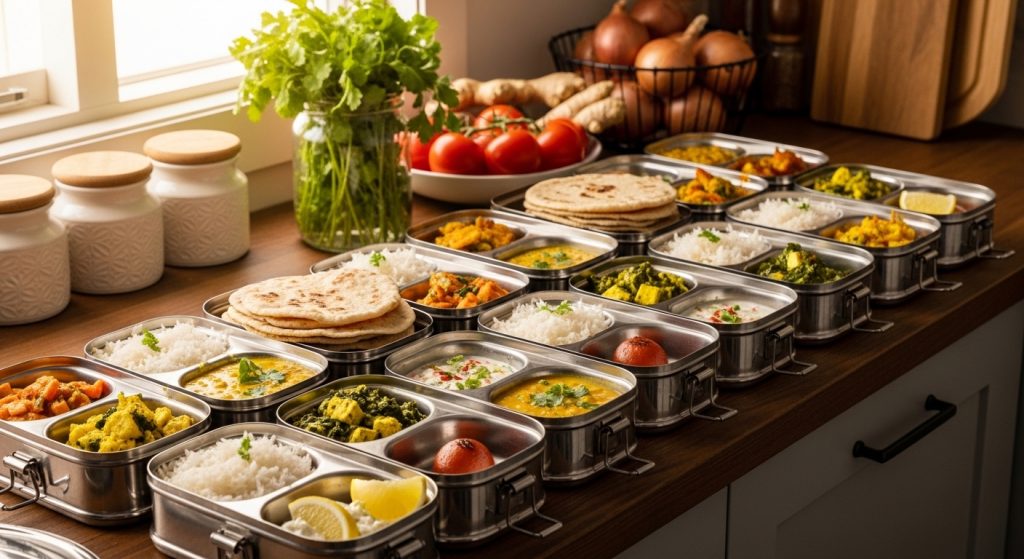
The ready-to-cook food packs business is one of the fastest-growing and highly profitable home-based business ideas in today’s busy lifestyle. With increasing work pressure and lack of time, many people prefer quick and convenient cooking solutions without compromising on taste and health. Ready-to-cook (RTC) food packs provide pre-measured ingredients and easy instructions, allowing customers to prepare meals quickly at home. This business is gaining popularity among working professionals, students, and small families. With proper planning, quality ingredients, and smart packaging, this business can generate steady income and grow into a successful brand.

Business Information

The ready-to-cook food packs business involves preparing and selling pre-mixed or semi-prepared food kits that customers can cook easily at home. These packs may include items like dosa batter mix, idli mix, upma mix, poha mix, pulao mix, curry bases, gravy mixes, and snack kits. You can also offer regional or specialty dishes to attract more customers. Each pack usually contains measured ingredients, spices, and simple cooking instructions. The key success factors include taste, convenience, freshness, and proper packaging. Since these products are semi-processed, maintaining hygiene and shelf life is very important. You can sell directly to customers, supply to local shops, or promote through online platforms.

Business Plan

To start a ready-to-cook food packs business, the first step is to decide your product range and target market. Begin with a few popular and easy-to-prepare items that have good demand. Standardize your recipes to maintain consistent taste and quality. Next, plan your production process, including sourcing raw materials, cleaning, measuring, mixing, and packing. You should ensure that all ingredients are fresh and properly processed to increase shelf life. Packaging plays a crucial role in this business, as it protects the product and attracts customers. Use airtight, food-grade packaging with clear labeling including ingredients, cooking instructions, and expiry date. Pricing should be competitive while ensuring a good profit margin. Start with small batches, test your products, and expand based on customer feedback.

Startup Cost

The startup cost for a ready-to-cook food packs business is low to moderate. You can start with an investment of around ₹10,000 to ₹50,000, depending on the scale. If you already have a kitchen setup, your main expenses will include raw materials, packaging materials, and basic equipment such as mixing bowls, a weighing scale, and a sealing machine. Storage containers are also needed to keep ingredients fresh. As your business grows, you can invest in better packaging and equipment to increase production capacity.

Profit Margin

The ready-to-cook food business offers good profit margins because of its convenience factor. On average, you can expect a profit margin of 30% to 60%. For example, if the cost of preparing a food pack is ₹40 to ₹60, you can sell it for ₹100 to ₹200, depending on the product and packaging. Premium and specialized meal kits can be priced higher. Bulk orders and subscription plans can further increase your income. Efficient cost management and reducing wastage will help you maximize your profits.

Marketing Strategy

Marketing is very important for the success of your ready-to-cook food business. In the beginning, you can promote your products among friends, family, and local communities. Offering free samples or demo cooking sessions can help you attract customers and build trust. Social media platforms like WhatsApp, Instagram, and Facebook are very effective for promotion. Posting product photos, videos, and customer reviews can help you reach a larger audience. Creating a WhatsApp catalog makes it easy to share your product list and take orders. You can also supply your products to local shops, supermarkets, and small retailers. Offering combo packs, discounts, and festive offers can boost your sales. Branding your products with a unique name and attractive packaging will help you stand out.

Target Audience

The target audience for a ready-to-cook food packs business includes working professionals, students, bachelors, and small families who prefer quick and easy cooking solutions. Busy individuals who do not have time to prepare meals from scratch are your primary customers. You can also target health-conscious people by offering healthy and low-oil meal kits. Office workers and young couples are also important segments. Additionally, you can target people who enjoy cooking but want convenience in preparation. Understanding your audience will help you design your products and marketing strategies effectively.

Operations and Management

Running a ready-to-cook food business requires proper planning and hygiene. You need to ensure that all ingredients are clean, fresh, and properly processed. Maintaining hygiene during preparation and packaging is essential to building customer trust. Proper storage is important to maintain shelf life and quality. You should keep track of inventory, orders, and expenses to manage your business efficiently. Regular quality checks will help maintain consistency. As your business grows, you can hire helpers or invest in better equipment to handle larger production.

Growth Opportunities

The ready-to-cook food business has excellent growth potential. Once you establish your brand, you can expand your product range by introducing new meal kits and regional specialties. You can also improve your packaging and branding to attract premium customers. Selling your products online through e-commerce platforms can help you reach a wider audience. You can also supply your products to supermarkets, hotels, and retail chains. With consistent quality and effective marketing, your small home-based business can grow into a successful food brand.

Conclusion

The ready-to-cook food packs business is a simple, convenient, and profitable home-based business with growing demand. By focusing on quality, taste, and ease of use, you can build a loyal customer base and generate a steady income. With proper planning and smart marketing, your business can expand quickly and compete with established brands. With dedication and consistency, this business can become a successful and long-term venture.

How To Start The Best Healthy Meal Business?

How To Start a Best Healthy Diet Meal Plans Business -Complete Business Plan

The healthy diet meal plans business is one of the fastest-growing and highly profitable home-based business ideas in today’s health-conscious world. With increasing awareness about fitness, weight loss, and disease prevention, many people are looking for nutritious and balanced meals that fit their lifestyle goals. Busy professionals, gym-goers, and individuals with health conditions often do not have the time or knowledge to prepare proper diet meals. This creates a strong opportunity to provide customized, healthy meal plans from home. With the right approach, this business can generate consistent income while also helping people live healthier lives.

Business Information

The healthy diet meal plans business involves preparing and delivering balanced meals designed for specific health goals such as weight loss, weight gain, muscle building, diabetic-friendly diets, or general fitness. These meal plans are usually offered on a daily, weekly, or monthly subscription basis. Meals can include items like salads, grilled foods, low-oil vegetables, whole grains, protein-rich dishes, and detox drinks. The focus is on nutrition, portion control, and quality ingredients. The success of this business depends on proper meal planning, taste, hygiene, and consistency. You can also offer personalized diet plans based on customer requirements, which increases your value and pricing.

Business Plan

To start a healthy diet meal plans business, the first step is to identify your target market and the type of meal plans you want to offer. You can begin with general healthy meals and gradually introduce specialized plans such as weight loss or high-protein diets. It is important to research basic nutrition or consult a dietitian to design balanced meals. Next, create a weekly menu that is easy to prepare and provides variety to customers. Plan your daily operations, including sourcing fresh ingredients, cooking, packaging, and delivery. Subscription-based pricing is the most effective model, as it ensures regular income and customer retention. You should also focus on portion control and calorie balance to meet customer expectations. Starting with a small number of clients will help you manage quality and build trust.

Startup Cost

The startup cost for a healthy diet meal plan business is moderate. You can start with an investment of around ₹20,000 to ₹80,000, depending on the scale. If you already have a kitchen setup, your main expenses will include fresh vegetables, fruits, grains, lean proteins, and packaging materials. You may also need a refrigerator for storage and proper containers for meal packaging. Delivery costs should also be considered if you plan to deliver meals to customers. Investing in good-quality packaging is important to maintain freshness and presentation. As your business grows, you can upgrade your equipment and expand your services.

Profit Margin

The healthy diet meal plans business offers good profit margins due to its premium nature. On average, you can expect a profit margin of 30% to 50%. For example, if the cost of preparing a meal is ₹80 to ₹120, you can charge ₹200 to ₹400 depending on the type of plan and customization. Personalized diet plans and premium services can be priced even higher. Subscription packages help ensure a steady income and reduce daily uncertainty. By managing costs and minimizing food wastage, you can increase your profitability.

Marketing Strategy

Marketing plays a crucial role in this business because customers need to trust your quality and expertise. Start by promoting your services among friends, family, and local communities. Social media platforms like Instagram, Facebook, and WhatsApp are very effective for reaching health-conscious audiences. Posting meal photos, diet tips, transformation stories, and customer reviews can attract more clients. You can also create weekly menus and share them online. Offering free trials, discounts, or demo meal plans can help you gain initial customers. Collaborating with gyms, fitness trainers, yoga instructors, and dietitians can bring regular clients. Building a strong brand focused on health and quality will help you stand out.

Target Audience

The target audience for this business includes health-conscious individuals, gym members, working professionals, and people looking to lose or gain weight. Individuals with specific health conditions, such as diabetes or high cholesterol, are also potential customers. Busy people who do not have time to cook healthy meals are a major segment. You can also target corporate employees, fitness groups, and sports enthusiasts. Understanding your audience will help you design meal plans, pricing, and marketing strategies effectively.

Operations and Management

Running a healthy diet meal plan business requires proper planning and discipline. You need to manage daily meal preparation, packaging, and delivery efficiently. Maintaining hygiene and food safety is extremely important. You should also track customer preferences, dietary requirements, and feedback to improve your services. Time management is crucial, especially for breakfast and lunch deliveries. Keeping records of orders, subscriptions, and payments will help you run your business smoothly. As your business grows, you can hire helpers or delivery staff to manage operations more effectively.

Growth Opportunities

The healthy diet meal plans business has excellent growth potential. Once you build a loyal customer base, you can expand your services by offering more specialized plans such as keto diet, vegan meals, or detox programs. You can also create online diet consultation services or sell digital meal plans. Expanding your delivery area and partnering with gyms and corporate offices can increase your reach. With strong branding and consistent quality, you can even scale your business into a cloud kitchen or a full-fledged health food brand.

Conclusion

The healthy diet meal plans business is a highly rewarding and profitable home-based business that aligns perfectly with modern lifestyle trends. With increasing demand for healthy and convenient food options, this business offers long-term growth and stability. By focusing on nutrition, quality, and customer satisfaction, you can build a strong and trusted brand. With dedication and smart planning, this business can become a reliable source of income and a successful entrepreneurial journey.

How To Start The Best Cloud Kitchen Business?

How To Start a Best Cloud Kitchen Business – Complete Business Plan

The cloud kitchen business is one of the most modern and profitable home-based food business ideas in today’s digital era. Unlike traditional restaurants, a cloud kitchen operates without a dine-in facility and focuses only on online orders and delivery. With the rapid growth of food delivery platforms and changing customer habits, people now prefer ordering food online from the comfort of their homes. This has created a huge opportunity for individuals to start a food business with low investment and high scalability. A cloud kitchen allows you to run multiple food brands from a single kitchen, making it a smart and flexible business model.

Business Information

A cloud kitchen is a delivery-only food business where you prepare meals at home or in a small kitchen setup and sell them through online platforms or direct orders. You can offer a variety of cuisines such as North Indian, South Indian, Chinese, fast food, healthy meals, or even specialize in a single niche like biryani, snacks, or desserts. The main advantage of a cloud kitchen is that you do not need to invest in a physical restaurant space, furniture, or staff for serving customers. The success of this business depends on food quality, taste, packaging, timely delivery, and online presence. You can operate multiple menus or brands from the same kitchen to increase your income.

Business Plan

To start a cloud kitchen business, the first step is to decide on your food concept and target market. Choose a cuisine or food category that has high demand in your area and that you can prepare consistently. Next, create a menu that is simple, cost-effective, and easy to deliver. You should standardize your recipes to maintain taste and quality. Setting up your kitchen with proper equipment, storage, and hygiene standards is very important. You also need to register your business and follow basic food safety guidelines. Partnering with food delivery platforms or creating your own order system will help you receive orders. Pricing should be competitive while ensuring a good profit margin. Start with a limited menu and gradually expand based on customer feedback and demand.

Startup Cost

The startup cost for a cloud kitchen business is moderate compared to opening a restaurant. You can start with an investment of around ₹50,000 to ₹2,00,000, depending on the scale and menu. If you already have a kitchen, your cost will be lower. Major expenses include kitchen equipment, utensils, raw materials, packaging, branding, and registration. You may also need to invest in a refrigerator, storage racks, and cooking appliances. Delivery costs can be managed through third-party platforms or your own delivery system. Starting small and scaling gradually is the best approach to control expenses.

Profit Margin

The cloud kitchen business offers good profit margins when managed efficiently. On average, you can expect a profit margin of 30% to 50%. For example, if a dish costs ₹80 to ₹120 to prepare, you can sell it for ₹200 to ₹300, depending on the cuisine and quality. Combo meals and special offers can increase your order value and profits. Since there is no expense for dining space and service staff, you can save costs and improve your margins. High order volume and repeat customers can significantly boost your income.

Marketing Strategy

Marketing is the backbone of a successful cloud kitchen business because it operates entirely online. You should create an attractive brand name, logo, and menu to stand out from competitors. Registering your business on food delivery platforms will help you reach a large customer base. Social media platforms like Instagram, Facebook, and WhatsApp are very effective for promotion. Posting high-quality photos, videos, and customer reviews can attract more orders. Offering discounts, combo deals, and referral benefits can increase your customer base. Good ratings and positive reviews are crucial for success, so always focus on quality and customer satisfaction. You can also run local online ads to increase visibility.

Target Audience

The target audience for a cloud kitchen business includes working professionals, students, families, and individuals who prefer ordering food online. People living in urban areas with busy lifestyles are your primary customers. You can also target specific groups, such as fitness enthusiasts, by offering healthy meals or office workers by providing lunch combos. Late-night food lovers and weekend customers are also important segments. Understanding your audience will help you design your menu, pricing, and marketing strategies effectively.

Operations and Management

Running a cloud kitchen requires efficient operations and proper management. You need to handle order processing, food preparation, packaging, and delivery coordination. Time management is very important to ensure that orders are prepared and delivered quickly. Maintaining cleanliness and hygiene in the kitchen is essential to meet food safety standards. Proper inventory management will help you control costs and avoid shortages. Keeping track of orders, customer feedback, and expenses will help you improve your business. As your business grows, you can hire staff for cooking, packing, and managing orders.

Growth Opportunities

The cloud kitchen business has huge growth potential. Once you establish your brand, you can expand by introducing new cuisines or launching multiple food brands from the same kitchen. You can also increase your delivery area and partner with more platforms. Opening additional cloud kitchen units in different locations can help you scale your business. You can also create your own website or app for direct orders, which reduces commission costs. With strong branding, consistent quality, and effective marketing, your cloud kitchen can grow into a large and successful food business.

Conclusion

The cloud kitchen business is a smart, low-risk, and highly profitable food business model for today’s digital world. With moderate investment and high demand for online food delivery, it offers excellent opportunities for growth and expansion. By focusing on quality food, efficient operations, and strong marketing, you can build a successful and sustainable business. With dedication and the right strategy, your cloud kitchen can become a powerful brand and a long-term source of income.