
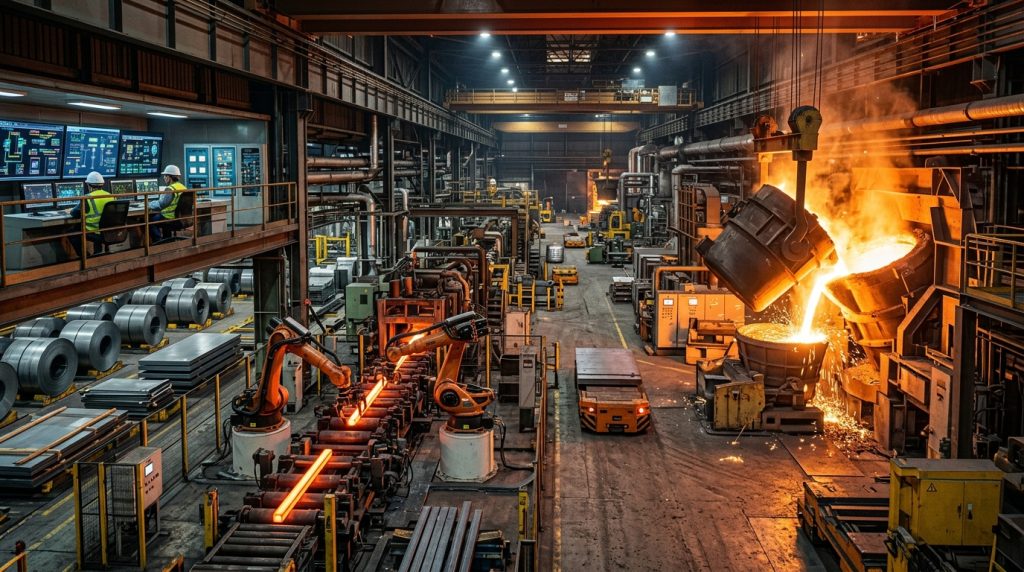
How to Start The Best Steel Production Plant: Complete Large-Scale Business Plan
Introduction
A Steel Production Plant is one of the most profitable and strategically important large-scale manufacturing businesses in the world. Steel is the backbone of infrastructure development, construction, transportation, automobile manufacturing, shipbuilding, railways, defense, and industrial machinery. As developing economies continue to expand and urbanization increases, the demand for steel products remains consistently strong. Establishing a steel production plant requires substantial investment, advanced technology, skilled manpower, and long-term planning. However, due to its high demand and large market size, a well-managed steel plant can generate significant revenue and long-term profitability.
Steel manufacturing involves converting iron ore, scrap metal, and other raw materials into finished steel products such as steel bars, sheets, coils, pipes, structural steel, and industrial components. Entrepreneurs entering this industry must focus on production efficiency, product quality, environmental compliance, and strong distribution networks to compete successfully in domestic and international markets.
Business Overview
Business Name
ABC Steel Industries Pvt. Ltd.
Industry Type
Large-Scale Manufacturing Industry
Business Category
Steel Production and Processing
Products
- Steel Bars (TMT Bars)
- Steel Rods
- Steel Sheets
- Steel Plates
- Steel Coils
- Structural Steel
- Steel Pipes and Tubes
- Industrial Steel Components
- Construction Steel Materials
Target Customers
- Construction Companies
- Real Estate Developers
- Infrastructure Projects
- Automobile Manufacturers
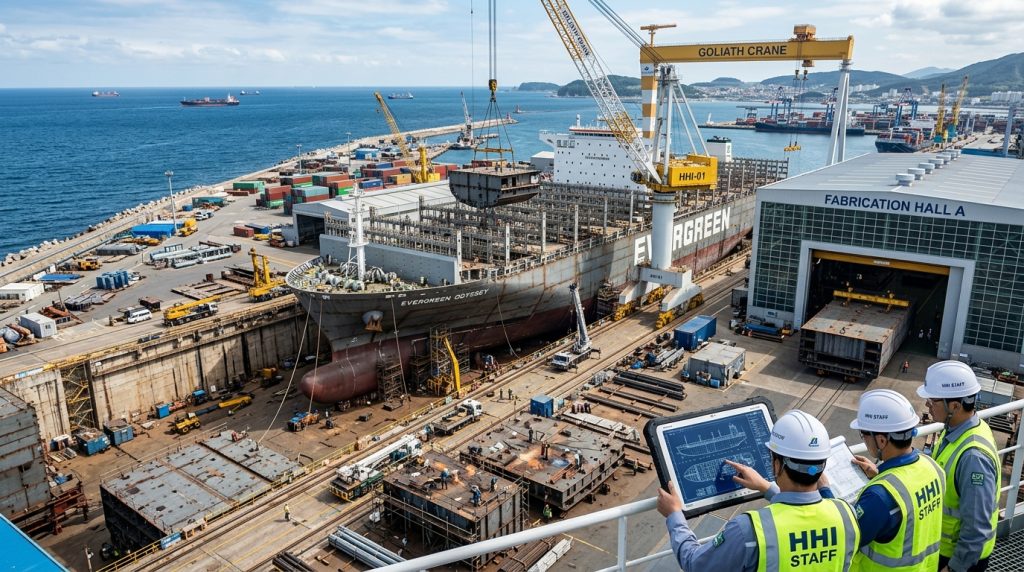
- Shipbuilding Companies
- Engineering Industries
- Government Projects
- Export Markets
Market Analysis
The steel industry plays a vital role in economic development. Infrastructure projects, housing construction, industrial expansion, transportation networks, and renewable energy projects drive demand. Developing countries continue to invest heavily in roads, bridges, railways, airports, ports, and industrial parks, creating long-term demand for steel products.
Market Opportunities
- Smart city development projects
- Industrial infrastructure expansion
- Railway and metro projects
- Automobile manufacturing
- Shipbuilding industry growth
- Renewable energy projects
- Export opportunities
Competitive Advantage
A modern steel production plant can compete through:
- High-quality steel products
- Efficient production processes
- Competitive pricing
- Sustainable manufacturing practices
- Strong logistics network
Location Selection
Choosing the right location is critical for success.
Ideal Requirements
- 100–500 acres of industrial land
- Proximity to iron ore and coal sources
- Access to railways and highways
- Reliable electricity supply
- Adequate water availability
- Industrial zone approvals
Preferred Locations in India
- Odisha
- Jharkhand
- Chhattisgarh
- Karnataka
- Maharashtra
- Gujarat
Infrastructure Requirements
A large steel production plant requires significant infrastructure.
Main Facilities
- Raw Material Storage Yard
- Blast Furnace Area
- Steel Melting Shop
- Rolling Mill
- Continuous Casting Unit
- Quality Testing Laboratory
- Warehousing Facilities
- Administrative Offices
- Employee Housing
- Power Generation Unit
Machinery and Equipment
Major Machinery
- Blast Furnaces
- Electric Arc Furnaces
- Continuous Casting Machines
- Rolling Mills
- Oxygen Plants
- Coke Ovens
- Material Handling Systems
- Industrial Cranes
- Quality Testing Equipment
- Pollution Control Systems
Estimated Machinery Cost
₹1,000 Crore – ₹5,000 Crore
Manufacturing Process
Step 1: Raw Material Procurement
Purchase:
- Iron Ore
- Coal and Coke
- Limestone
- Steel Scrap
Step 2: Iron Production
Iron ore is processed in blast furnaces to produce molten iron.
Step 3: Steel Making
Molten iron is converted into steel by removing impurities and adjusting chemical composition.
Step 4: Continuous Casting
Steel is cast into slabs, billets, or blooms.
Step 5: Rolling and Finishing
Products are rolled into bars, rods, sheets, coils, and structural sections.
Step 6: Quality Testing
Products undergo mechanical and chemical testing to meet industry standards.
Step 7: Packaging and Distribution
Finished products are dispatched to customers through transportation networks.
Legal Requirements
Registrations
- Company Registration
- GST Registration
- Factory License
- Import Export Code
Approvals
- Pollution Control Board Approval
- Environmental Clearance
- Fire Safety Certification
- Labor Department Registration
- Industrial Development Authority Approval
Certifications
- ISO 9001
- BIS Certification
- Industry Quality Standards
Human Resource Requirements
Management Team
- Chief Executive Officer
- Plant Director
- Finance Manager
- Operations Manager
Technical Team
- Metallurgical Engineers
- Mechanical Engineers
- Electrical Engineers
- Quality Control Specialists
Production Team
- Furnace Operators
- Machine Operators
- Welders
- Maintenance Technicians
Workforce Requirement
1,000–5,000 Employees
Investment Plan
Land Acquisition
₹200 Crore – ₹1,000 Crore
Infrastructure Development
₹500 Crore – ₹2,000 Crore
Machinery Installation
₹1,000 Crore – ₹5,000 Crore
Working Capital
₹300 Crore – ₹1,000 Crore
Marketing and Operations
₹50 Crore – ₹200 Crore
Total Estimated Investment
₹2,050 Crore – ₹9,200 Crore+
Revenue Model
Primary Revenue
- Sale of steel products
- Industrial contracts
- Government infrastructure projects
Secondary Revenue
- Export sales
- Steel processing services
- Recycling operations
Marketing Strategy
Offline Marketing
- Industry Exhibitions
- Construction Conferences
- Government Procurement Programs
- Infrastructure Development Partnerships
Online Marketing
- Corporate Website
- B2B Digital Platforms
- LinkedIn Marketing
- Industry Publications
Brand Positioning
- High-quality steel products
- Reliable supply chain
- Competitive pricing
- Sustainable production
Financial Projections
Year 1
Revenue: ₹1,000 Crore
Profit: Initial setup phase
Year 2
Revenue: ₹3,000 Crore
Profit Margin: 5%
Year 3
Revenue: ₹5,500 Crore
Profit Margin: 8%
Year 4
Revenue: ₹8,000 Crore
Profit Margin: 10%
Year 5
Revenue: ₹12,000 Crore+
Profit Margin: 12–15%
Risk Analysis
Major Risks
- Fluctuating raw material prices
- Environmental regulations
- High energy costs
- Market competition
- Economic slowdowns
Risk Mitigation
- Long-term supplier contracts
- Energy-efficient technologies
- Diversified product portfolio
- Strong financial planning
Growth Strategy
Phase 1
Establish domestic production operations.
Phase 2
Expand production capacity.
Phase 3
Enter export markets.
Phase 4
Develop specialty steel products.
Phase 5
Invest in green steel manufacturing technologies.
Conclusion
Establishing a steel production plant is a high-investment but highly rewarding business opportunity. With growing infrastructure projects, industrial development, urbanization, and increasing global demand for steel, the industry offers exceptional long-term growth potential. Entrepreneurs who focus on modern technology, operational efficiency, quality control, and sustainable manufacturing can build a successful steel production company capable of generating billions in annual revenue and becoming a major player in the industrial sector.
Read More :