
Start Electric Vehicle (EV) Production Business?- Complete Business Plan
Starting an electric vehicle (EV) production business is a forward-looking opportunity driven by the global shift toward clean energy and sustainable transportation. Companies like Tesla and BYD have demonstrated how innovation and technology can transform the automotive industry. The first step is conducting detailed market research to identify your target segment, such as electric two-wheelers, passenger cars, or commercial EVs. In India, EV adoption is rising rapidly due to government incentives, lower operating costs, and increasing environmental awareness. You should prepare a comprehensive business plan outlining your product type, pricing strategy, manufacturing capacity, and long-term growth vision. Selecting the right business model—whether focusing on affordable EVs, premium vehicles, or fleet solutions—is crucial for positioning your brand in a competitive market.
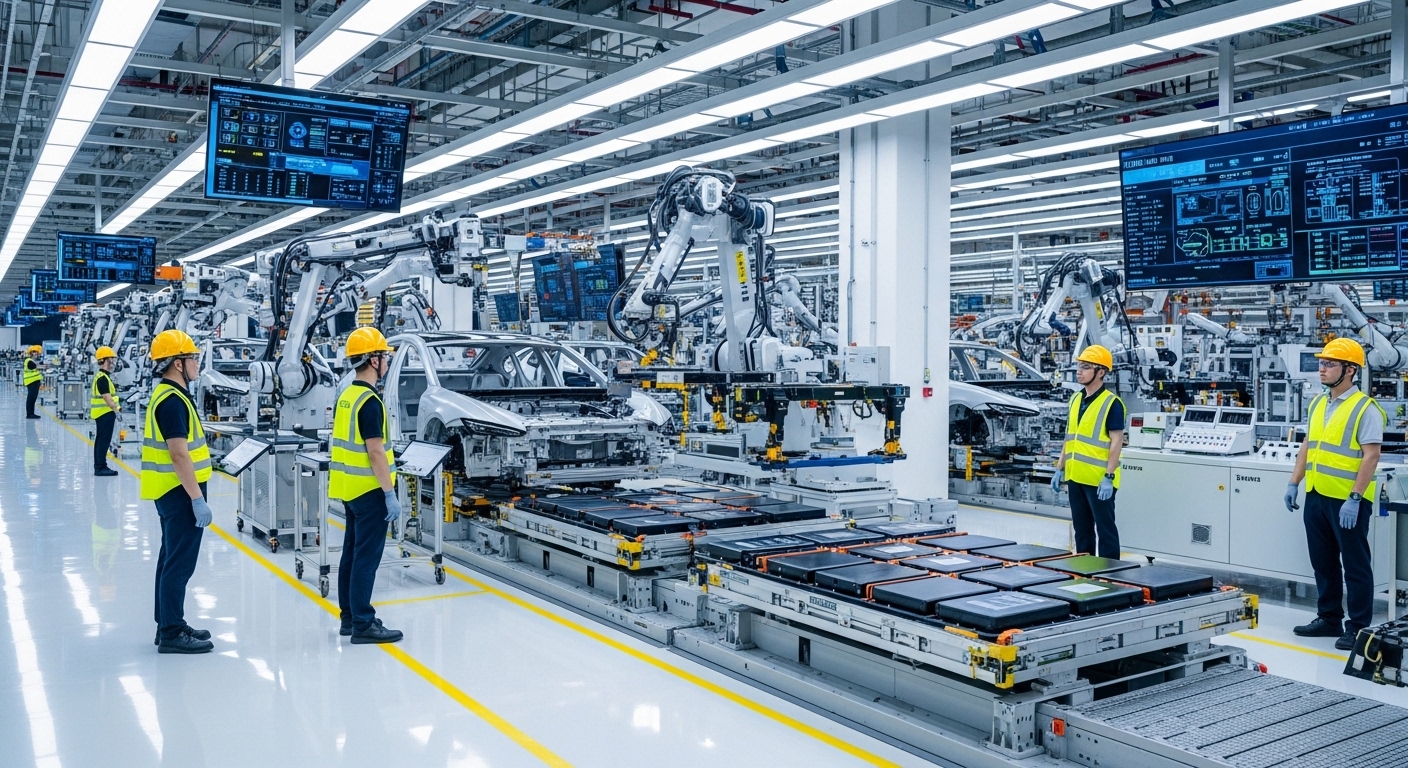
The next stage involves setting up infrastructure, sourcing technology, and ensuring regulatory compliance. You will need a large manufacturing facility equipped with advanced machinery, battery assembly units, and quality testing systems. Choosing a strategic location in industrial hubs like Maharashtra, Gujarat, or Tamil Nadu can provide access to skilled labor and supply chain networks. Securing approvals from regulatory bodies such as the Automotive Research Association of India (ARAI) is essential to meet safety and performance standards. Battery technology is a core component of EV production, so you must either develop in-house expertise or partner with reliable suppliers. Additionally, hiring skilled engineers, technicians, and R&D professionals will help ensure efficient production and continuous innovation.
Finally, focus on building a strong brand, distribution network, and customer support system. Establish dealerships, online sales platforms, and service centers to make your vehicles accessible to customers. Marketing strategies should highlight key benefits such as low running costs, eco-friendliness, and advanced features. Collaborating with government programs and leveraging EV subsidies can also boost sales. Continuous innovation—such as improving battery range, charging speed, and smart connectivity—will help you stay ahead of competitors. Providing excellent after-sales service, including maintenance and charging infrastructure support, is critical for customer satisfaction and long-term success. With the right planning, investment, and execution, an electric vehicle production business can become a highly profitable and scalable venture in the rapidly growing green mobility sector.
Production Business Plan
1. Business Overview
An Electric Vehicle (EV) production business focuses on designing, manufacturing, and selling vehicles powered by electricity instead of fossil fuels. Inspired by global leaders such as Tesla and BYD, this business aims to deliver eco-friendly, cost-effective mobility solutions. In India, the EV sector is rapidly expanding due to government initiatives, subsidies, and increasing fuel prices, making it a highly promising large-scale business opportunity.
2. Business Objectives
- Establish a full-scale EV manufacturing plant within 2–3 years
- Launch electric two-wheelers, three-wheelers, or cars
- Achieve a strong market presence in urban and semi-urban areas
- Break even within 4–6 years
- Build a recognized and trusted EV brand
3. Market Analysis
The Indian EV market is experiencing rapid growth due to environmental concerns, government policies, and cost advantages. Demand is especially strong for:
- Electric scooters and bikes
- Electric delivery vehicles
- Affordable electric cars
Target customers:
- Urban commuters
- Delivery and logistics companies
- Fleet operators
- Government and corporate buyers
Opportunities:
- Low competition in the affordable EV segment
- Government subsidies under EV schemes
- Growing charging infrastructure
4. Products & Services
- Electric two-wheelers (scooters, bikes)
- Electric cars (hatchbacks, compact SUVs)
- Electric commercial vehicles
- EV batteries and components
- Spare parts and accessories
- After-sales service and maintenance
5. Business Model
Revenue streams:
- Direct vehicle sales
- Battery leasing or swapping services
- Spare parts and servicing
- Fleet sales and bulk contracts
- Government tenders
Sales channels:
- Dealership network
- Direct-to-customer online platform
- B2B partnerships
6. Location & Infrastructure
- Land requirement: 20–100 acres
- Preferred locations: Maharashtra, Gujarat, Tamil Nadu
- Infrastructure includes:
- Assembly line
- Battery production/assembly unit
- Testing and R&D facility
- Warehousing and logistics
7. Technology & Machinery
- Robotic assembly systems
- Battery management systems (BMS)
- EV drivetrain technology
- Charging technology integration
- AI-based production monitoring
8. Legal Requirements
- Company registration (Pvt Ltd/Public Ltd)
- GST registration
- Factory license
- Environmental clearance
- Approval from the Automotive Research Association of India (ARAI)
- FAME (Faster Adoption and Manufacturing of Electric Vehicles) compliance
- BIS certification
9. Investment & Cost (Estimated)
- Land & construction: ₹100–300 crore
- Machinery & equipment: ₹200–500 crore
- Battery technology & R&D: ₹100–300 crore
- Working capital: ₹50–150 crore
- Total Investment: ₹450–1200 crore
10. Funding Sources
- Bank loans
- Venture capital and investors
- Government subsidies (FAME scheme)
- Strategic partnerships
- Private equity funding
11. Operations Plan
- Product design and prototyping
- Battery sourcing/manufacturing
- Vehicle assembly
- Quality testing
- Distribution and logistics
- After-sales service
12. Marketing Strategy
- Highlight eco-friendly and cost-saving benefits
- Digital marketing and social media campaigns
- Influencer and tech reviews
- EV exhibitions and auto expos
- Test ride campaigns
Brand positioning:
- Affordable and reliable EVs
- Smart and innovative mobility
- Sustainable transportation
13. Human Resources
- EV engineers and technicians
- Battery specialists
- Production staff
- R&D team
- Sales and marketing professionals
Estimated workforce: 500–3000 employees
14. Risk Analysis
- High initial investment
- Battery supply challenges
- Rapid technology changes
- Competition from established brands
Mitigation:
- Strong R&D investment
- Supplier diversification
- Continuous innovation
15. Profit Potential
- High-growth market
- Profit margins: 10–20% (higher in the long term)
- Break-even: 4–6 years
16. Growth Strategy
- Expand into exports
- Develop battery manufacturing
- Invest in charging infrastructure
- Launch new EV models
- Collaborate with global partners
Conclusion
The electric vehicle production business is one of the most promising industries of the future. With rising demand, government support, and technological advancements, this sector offers massive growth potential. By focusing on innovation, affordability, and customer satisfaction, entrepreneurs can build a scalable and profitable EV brand in India and global markets.