
Start an Automobile Manufacturing Business? – Complete Business Plan
Starting an automobile manufacturing business is a capital-intensive yet highly rewarding venture that requires strategic planning, technical expertise, and adherence to strict regulations. Globally, companies like Toyota and Tesla demonstrate how innovation and efficiency drive success in this sector. The first step is conducting in-depth market research to identify your target segment—whether passenger vehicles, commercial trucks, or electric vehicles. In India, the electric vehicle segment is growing rapidly due to government incentives and rising fuel costs. After defining your niche, create a detailed business plan that includes production goals, investment estimates, pricing strategy, and long-term scalability. Securing funding is critical, often requiring hundreds of crores, which can be sourced through investors, bank loans, or partnerships.
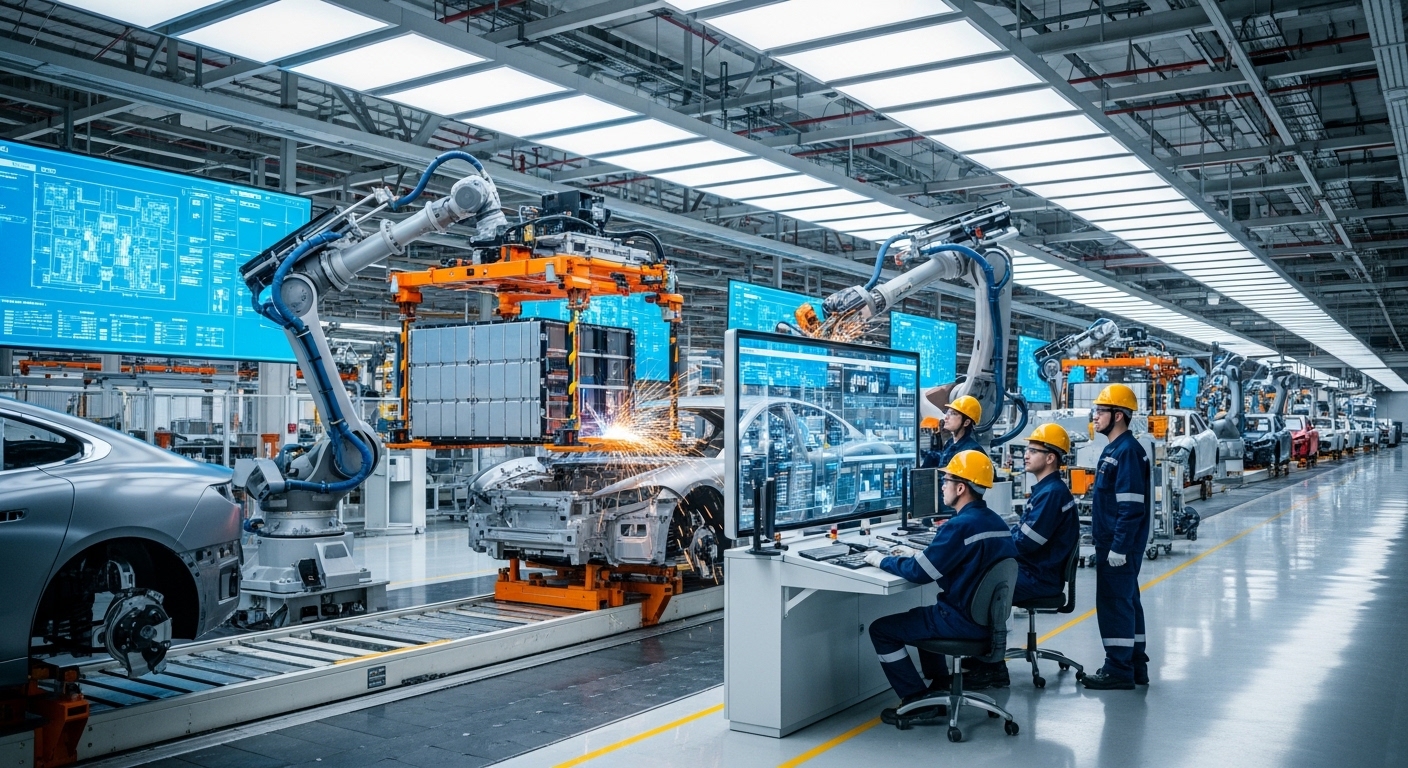
The next phase involves setting up manufacturing infrastructure and obtaining necessary licenses. You will need a large industrial space, preferably in an automotive hub like Maharashtra, Tamil Nadu, or Gujarat, with access to logistics and skilled labor. Machinery and equipment such as assembly lines, robotic systems, and quality testing units must be installed. You will also need approvals from regulatory authorities like the Automotive Research Association of India (ARAI) to ensure your vehicles meet safety and emission standards. Hiring experienced engineers, designers, and production staff is essential to maintain quality and efficiency. Building a reliable supply chain for components such as engines, batteries, tires, and electronics is another key factor, as delays or poor quality can affect production timelines and brand reputation.
Finally, focus on branding, distribution, and after-sales service to establish your presence in the competitive automobile market. Develop a strong brand identity and marketing strategy to differentiate your vehicles from competitors. Setting up dealerships, service centers, and digital sales platforms will help you reach customers effectively. Partnering with financing companies can also make your vehicles more accessible to buyers. Continuous innovation, such as integrating smart features, improving fuel efficiency, or adopting electric mobility, will help you stay ahead of the competition. Additionally, maintaining excellent after-sales service and customer support is crucial for building long-term trust and brand loyalty, ensuring sustainable growth in this large-scale industry.
Manufacturing Business Plan:
1. Business Overview
An automobile manufacturing business involves designing, producing, and selling vehicles such as passenger cars, commercial vehicles, or electric vehicles (EVs). Inspired by global leaders like Toyota and Tesla, this business focuses on innovation, quality, and large-scale production. In India, the automobile sector is one of the largest industries, with strong government support, especially for EV manufacturing under initiatives like “Make in India.”
2. Business Objectives
- Establish a modern automobile manufacturing plant within 2–3 years
- Launch 1–2 vehicle models (EV or fuel-based)
- Achieve break-even within 5–7 years
- Build a strong dealership and service network across India
- Capture a significant share in the EV or mid-range vehicle market
3. Market Analysis
The Indian automobile market is rapidly growing due to urbanization, rising incomes, and demand for personal mobility. The EV segment is expanding due to government subsidies and environmental awareness. Competitors include domestic and international brands, but opportunities exist in:
- Affordable electric vehicles
- Commercial EVs (delivery vans, trucks)
- Smart and connected vehicles
Target customers:
- Middle-class buyers
- Fleet operators
- Corporate clients
- Government contracts
4. Products & Services
- Passenger vehicles (cars, SUVs)
- Electric vehicles (2-wheelers, 4-wheelers)
- Commercial vehicles
- Spare parts and accessories
- After-sales services (maintenance, repairs)
5. Business Model
Revenue streams include:
- Vehicle sales
- Spare parts and accessories
- Service and maintenance
- Financing partnerships
- Fleet and bulk sales
Distribution channels:
- Dealership network
- Online booking platform
- Corporate partnerships
6. Location & Infrastructure
- Land requirement: 50–200 acres
- Ideal locations: Maharashtra, Gujarat, Tamil Nadu
- Infrastructure needed:
- Assembly line
- Paint shop
- Testing track
- Warehousing
- R&D center
7. Machinery & Technology
- Robotic assembly systems
- CNC machines
- Quality testing equipment
- AI-based production monitoring
- EV battery manufacturing (if applicable)
8. Legal Requirements
- Company registration (Private Ltd/Public Ltd)
- GST registration
- Factory license
- Environmental clearance
- Approval from the Automotive Research Association of India (ARAI)
- BIS certification
- Labor law compliance
9. Investment & Cost (Estimated)
- Land & construction: ₹200–500 crore
- Machinery & equipment: ₹300–800 crore
- R&D and design: ₹100–300 crore
- Working capital: ₹100–200 crore
- Total Investment: ₹700–1800 crore+
10. Funding Sources
- Bank loans
- Venture capital / private equity
- Government subsidies (especially for EVs)
- Strategic partnerships
- Public investment (IPO)
11. Operations Plan
- Raw material procurement
- Vehicle design & prototyping
- Manufacturing & assembly
- Quality testing
- Distribution & logistics
- After-sales service
12. Marketing Strategy
- Digital marketing campaigns
- TV and print advertising
- Auto expos and exhibitions
- Influencer and brand ambassador marketing
- Test drive campaigns
Brand positioning:
- Affordable innovation
- Eco-friendly mobility
- High safety standards
13. Human Resources
- Engineers (mechanical, electrical, software)
- Production workers
- Designers and R&D experts
- Sales and marketing team
- Customer support staff
Estimated workforce: 1,000–5,000 employees
14. Risk Analysis
- High capital investment risk
- Strong competition
- Supply chain disruptions
- Regulatory changes
- Technology changes (EV shift)
Mitigation:
- Diversified product portfolio
- Strong supplier network
- Continuous innovation
15. Profit Potential
- High revenue potential (₹1000+ crore annually)
- Profit margins: 8–15% (can grow with scale)
- Break-even: 5–7 years
16. Growth Strategy
- Expand into export markets
- Develop EV and autonomous vehicles
- Invest in R&D and innovation
- Build a strong brand presence
- Strategic collaborations with global players
Conclusion
Starting an automobile manufacturing business requires massive investment, strong planning, and long-term vision. However, with the growing demand for vehicles, especially electric mobility in India, this sector offers tremendous growth and profitability. By focusing on innovation, quality, and customer satisfaction, you can build a successful and scalable automobile brand in the competitive global market.