
How To Start a Packaged Food Manufacturing Business? – Complete Guide
Introduction to Packaged Food Manufacturing
Packaged food manufacturing is one of the fastest-growing medium-scale business opportunities, especially in a country like India, where urbanization, busy lifestyles, and increasing demand for convenience foods are driving massive growth. This business involves producing, processing, packaging, and selling ready-to-eat or ready-to-cook food products such as snacks, मसाले (spices), pickles, sauces, instant mixes, bakery items, and health foods. With the rise of supermarkets, e-commerce platforms, and food delivery apps, packaged food has become an essential part of modern living. Starting this business requires proper planning, quality control, branding, and compliance with food safety standards, but it offers long-term scalability and consistent demand.
Business Plan and Model
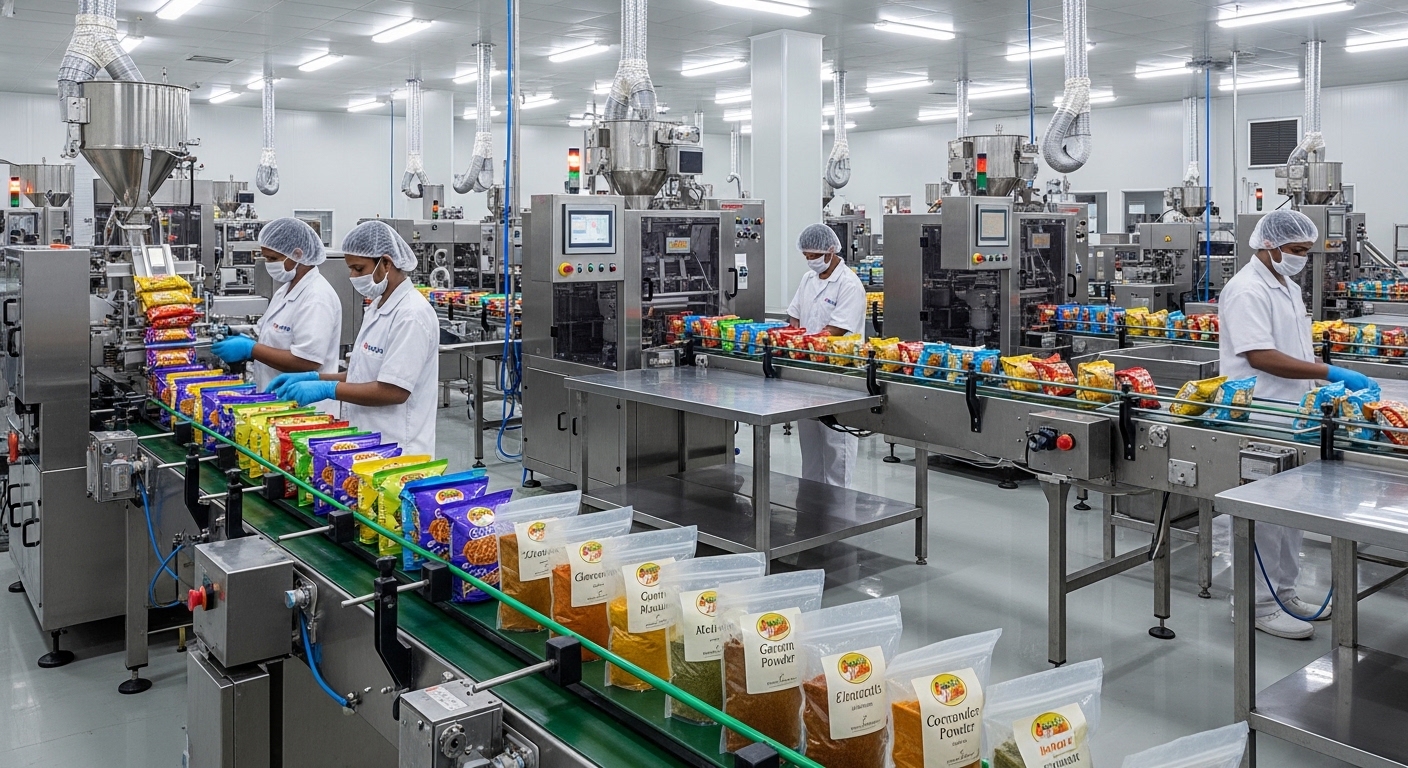
A successful packaged food manufacturing business starts with selecting a niche. You can focus on categories such as snacks (chips, namkeen), organic food, ready-to-eat meals, frozen foods, or regional specialty products. The next step is creating unique recipes or sourcing standardized formulations that ensure taste consistency and shelf life. You will need to decide whether to manufacture under your own brand or supply to other companies (private labeling). Setting up a small manufacturing unit with essential machinery like mixers, grinders, sealing machines, and packaging units is crucial. Additionally, obtaining a license from the Food Safety and Standards Authority of India is mandatory to ensure food safety compliance. The business model can include both offline retail distribution and online direct-to-consumer sales through platforms like Amazon and Flipkart.
Startup Cost and Investment
The startup cost for a medium-scale packaged food manufacturing business in India typically ranges from ₹10 lakh to ₹50 lakh, depending on the product range, machinery, and production capacity. Major expenses include factory setup or rental, machinery purchase, raw materials, labor, packaging materials, licensing, branding, and marketing. Machinery costs alone can range from ₹5 lakh to ₹20 lakh, depending on the level of automation. Packaging and branding are critical investments, as they directly influence customer perception and sales. Additionally, working capital is needed to manage inventory, logistics, and day-to-day operations for at least 3–6 months.
Profit Margin and Revenue Potential
Packaged food manufacturing offers attractive profit margins ranging from 20% to 40%, depending on the product category and scale of operations. High-margin products include snacks, मसाले, and health foods, while margins on staples may be slightly lower but offer higher-volume sales. For example, a well-branded namkeen or snack product can cost ₹20–₹30 to produce and sell at ₹50–₹80 in the market, ensuring good profitability. As production volume increases and supply chains become efficient, profit margins improve significantly. With proper branding and distribution, monthly revenues can scale from ₹2 lakh to ₹20 lakh or more within a year.
Target Audience
The target audience for packaged food products is broad and includes working professionals, students, families, and health-conscious consumers. Urban and semi-urban populations are the primary customers due to their preference for convenience foods. Additionally, niche audiences such as fitness enthusiasts (protein snacks, organic foods) and children (snacks, chocolates) can be targeted with specialized products. Export markets also present a huge opportunity, especially for Indian traditional food items like pickles, spices, and ready-to-eat meals.
Marketing Strategy
Marketing plays a crucial role in the success of a packaged food business. Start by creating a strong brand identity, including a unique logo, attractive packaging, and a memorable brand name. Digital marketing is essential—use platforms like Instagram and Facebook to showcase your products through high-quality images and videos. Collaborate with food influencers and bloggers to increase brand visibility. Listing products on e-commerce platforms like Amazon can boost online sales, while tie-ups with local retailers, supermarkets, and distributors ensure offline reach. Offering free samples, discounts, and festival promotions can attract initial customers and build brand loyalty.
Operations and Management
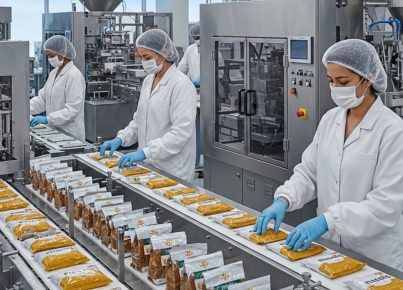
Efficient operations are key to maintaining quality and profitability. The manufacturing process involves sourcing raw materials, processing, quality testing, packaging, and distribution. Hiring skilled workers for production, quality control, and packaging is essential. Maintaining hygiene standards and proper storage conditions is critical to ensure product safety and shelf life. Inventory management systems help track raw materials and finished goods, reducing wastage. Logistics and distribution should be streamlined to ensure timely delivery to retailers and customers. As the business grows, investing in automation and ERP systems can improve efficiency and reduce costs.
Growth Opportunities and Expansion
The packaged food industry offers immense growth opportunities. Once your brand gains recognition, you can expand your product line by introducing new variants and flavors. Entering new markets, including rural areas and international exports, can significantly boost revenue. Collaborating with large retail chains and supermarkets can increase distribution reach. Additionally, launching your own website or mobile app for direct sales can improve profit margins. With increasing health awareness, introducing organic, gluten-free, or diet-specific products can open new customer segments. Over time, your business can evolve into a large-scale food brand with national or even global presence.
Conclusion
Packaged food manufacturing is a highly profitable and scalable medium-scale business with strong demand and long-term growth potential. With the right combination of quality products, branding, efficient operations, and smart marketing strategies, entrepreneurs can build a successful and sustainable business in this sector. Although it requires initial investment and regulatory compliance, the returns and expansion opportunities make it a rewarding venture for aspiring business owners.