
How to start a packaged food business in India

How to Manufacture The Best Packaged Food?

How To Start a Packaged Food Manufacturing Business? – Complete Guide
Introduction to Packaged Food Manufacturing

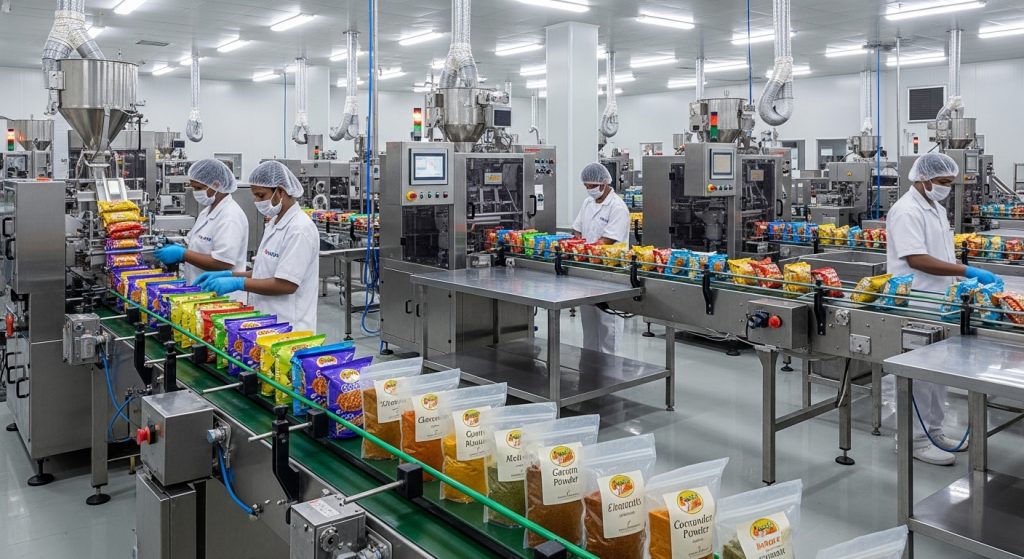
Packaged food manufacturing is one of the fastest-growing medium-scale business opportunities, especially in a country like India, where urbanization, busy lifestyles, and increasing demand for convenience foods are driving massive growth. This business involves producing, processing, packaging, and selling ready-to-eat or ready-to-cook food products such as snacks, मसाले (spices), pickles, sauces, instant mixes, bakery items, and health foods. With the rise of supermarkets, e-commerce platforms, and food delivery apps, packaged food has become an essential part of modern living. Starting this business requires proper planning, quality control, branding, and compliance with food safety standards, but it offers long-term scalability and consistent demand.

Business Plan and Model

A successful packaged food manufacturing business starts with selecting a niche. You can focus on categories such as snacks (chips, namkeen), organic food, ready-to-eat meals, frozen foods, or regional specialty products. The next step is creating unique recipes or sourcing standardized formulations that ensure taste consistency and shelf life. You will need to decide whether to manufacture under your own brand or supply to other companies (private labeling). Setting up a small manufacturing unit with essential machinery like mixers, grinders, sealing machines, and packaging units is crucial. Additionally, obtaining a license from the Food Safety and Standards Authority of India is mandatory to ensure food safety compliance. The business model can include both offline retail distribution and online direct-to-consumer sales through platforms like Amazon and Flipkart.

Startup Cost and Investment

The startup cost for a medium-scale packaged food manufacturing business in India typically ranges from ₹10 lakh to ₹50 lakh, depending on the product range, machinery, and production capacity. Major expenses include factory setup or rental, machinery purchase, raw materials, labor, packaging materials, licensing, branding, and marketing. Machinery costs alone can range from ₹5 lakh to ₹20 lakh, depending on the level of automation. Packaging and branding are critical investments, as they directly influence customer perception and sales. Additionally, working capital is needed to manage inventory, logistics, and day-to-day operations for at least 3–6 months.

Profit Margin and Revenue Potential

Packaged food manufacturing offers attractive profit margins ranging from 20% to 40%, depending on the product category and scale of operations. High-margin products include snacks, मसाले, and health foods, while margins on staples may be slightly lower but offer higher-volume sales. For example, a well-branded namkeen or snack product can cost ₹20–₹30 to produce and sell at ₹50–₹80 in the market, ensuring good profitability. As production volume increases and supply chains become efficient, profit margins improve significantly. With proper branding and distribution, monthly revenues can scale from ₹2 lakh to ₹20 lakh or more within a year.

Target Audience

The target audience for packaged food products is broad and includes working professionals, students, families, and health-conscious consumers. Urban and semi-urban populations are the primary customers due to their preference for convenience foods. Additionally, niche audiences such as fitness enthusiasts (protein snacks, organic foods) and children (snacks, chocolates) can be targeted with specialized products. Export markets also present a huge opportunity, especially for Indian traditional food items like pickles, spices, and ready-to-eat meals.

Marketing Strategy

Marketing plays a crucial role in the success of a packaged food business. Start by creating a strong brand identity, including a unique logo, attractive packaging, and a memorable brand name. Digital marketing is essential—use platforms like Instagram and Facebook to showcase your products through high-quality images and videos. Collaborate with food influencers and bloggers to increase brand visibility. Listing products on e-commerce platforms like Amazon can boost online sales, while tie-ups with local retailers, supermarkets, and distributors ensure offline reach. Offering free samples, discounts, and festival promotions can attract initial customers and build brand loyalty.

Operations and Management

Efficient operations are key to maintaining quality and profitability. The manufacturing process involves sourcing raw materials, processing, quality testing, packaging, and distribution. Hiring skilled workers for production, quality control, and packaging is essential. Maintaining hygiene standards and proper storage conditions is critical to ensure product safety and shelf life. Inventory management systems help track raw materials and finished goods, reducing wastage. Logistics and distribution should be streamlined to ensure timely delivery to retailers and customers. As the business grows, investing in automation and ERP systems can improve efficiency and reduce costs.

Growth Opportunities and Expansion

The packaged food industry offers immense growth opportunities. Once your brand gains recognition, you can expand your product line by introducing new variants and flavors. Entering new markets, including rural areas and international exports, can significantly boost revenue. Collaborating with large retail chains and supermarkets can increase distribution reach. Additionally, launching your own website or mobile app for direct sales can improve profit margins. With increasing health awareness, introducing organic, gluten-free, or diet-specific products can open new customer segments. Over time, your business can evolve into a large-scale food brand with national or even global presence.

Conclusion

Packaged food manufacturing is a highly profitable and scalable medium-scale business with strong demand and long-term growth potential. With the right combination of quality products, branding, efficient operations, and smart marketing strategies, entrepreneurs can build a successful and sustainable business in this sector. Although it requires initial investment and regulatory compliance, the returns and expansion opportunities make it a rewarding venture for aspiring business owners.

How To Start Ready-to-Cook Food Packs Business?

How To Start the Best Ready-To-Cook Food Packs Business? – Complete Business Plan

The ready-to-cook food packs business is one of the fastest-growing and highly profitable home-based business ideas in today’s busy lifestyle. With increasing work pressure and lack of time, many people prefer quick and convenient cooking solutions without compromising on taste and health. Ready-to-cook (RTC) food packs provide pre-measured ingredients and easy instructions, allowing customers to prepare meals quickly at home. This business is gaining popularity among working professionals, students, and small families. With proper planning, quality ingredients, and smart packaging, this business can generate steady income and grow into a successful brand.

Business Information

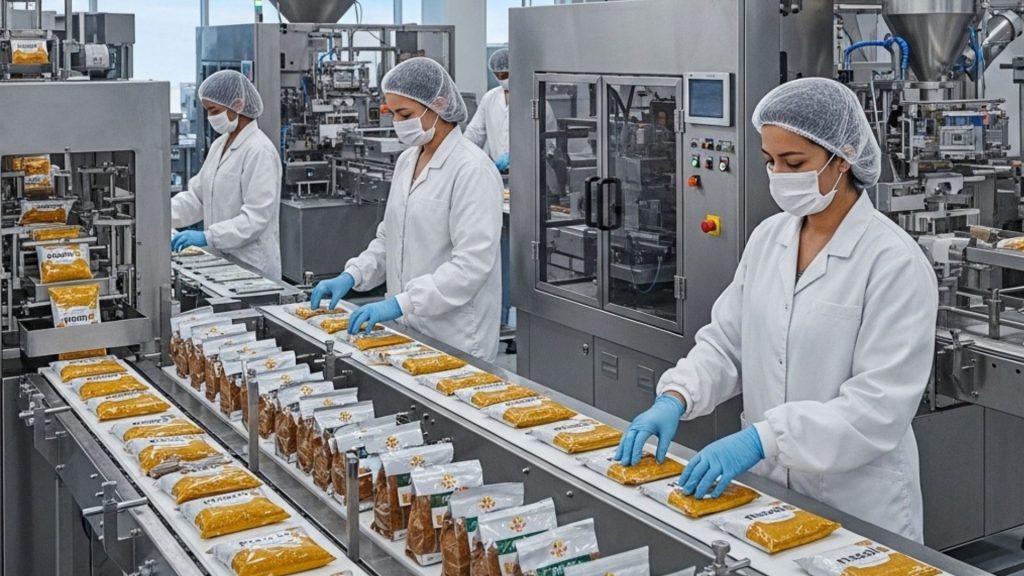
The ready-to-cook food packs business involves preparing and selling pre-mixed or semi-prepared food kits that customers can cook easily at home. These packs may include items like dosa batter mix, idli mix, upma mix, poha mix, pulao mix, curry bases, gravy mixes, and snack kits. You can also offer regional or specialty dishes to attract more customers. Each pack usually contains measured ingredients, spices, and simple cooking instructions. The key success factors include taste, convenience, freshness, and proper packaging. Since these products are semi-processed, maintaining hygiene and shelf life is very important. You can sell directly to customers, supply to local shops, or promote through online platforms.

Business Plan

To start a ready-to-cook food packs business, the first step is to decide your product range and target market. Begin with a few popular and easy-to-prepare items that have good demand. Standardize your recipes to maintain consistent taste and quality. Next, plan your production process, including sourcing raw materials, cleaning, measuring, mixing, and packing. You should ensure that all ingredients are fresh and properly processed to increase shelf life. Packaging plays a crucial role in this business, as it protects the product and attracts customers. Use airtight, food-grade packaging with clear labeling including ingredients, cooking instructions, and expiry date. Pricing should be competitive while ensuring a good profit margin. Start with small batches, test your products, and expand based on customer feedback.

Startup Cost

The startup cost for a ready-to-cook food packs business is low to moderate. You can start with an investment of around ₹10,000 to ₹50,000, depending on the scale. If you already have a kitchen setup, your main expenses will include raw materials, packaging materials, and basic equipment such as mixing bowls, a weighing scale, and a sealing machine. Storage containers are also needed to keep ingredients fresh. As your business grows, you can invest in better packaging and equipment to increase production capacity.

Profit Margin

The ready-to-cook food business offers good profit margins because of its convenience factor. On average, you can expect a profit margin of 30% to 60%. For example, if the cost of preparing a food pack is ₹40 to ₹60, you can sell it for ₹100 to ₹200, depending on the product and packaging. Premium and specialized meal kits can be priced higher. Bulk orders and subscription plans can further increase your income. Efficient cost management and reducing wastage will help you maximize your profits.

Marketing Strategy

Marketing is very important for the success of your ready-to-cook food business. In the beginning, you can promote your products among friends, family, and local communities. Offering free samples or demo cooking sessions can help you attract customers and build trust. Social media platforms like WhatsApp, Instagram, and Facebook are very effective for promotion. Posting product photos, videos, and customer reviews can help you reach a larger audience. Creating a WhatsApp catalog makes it easy to share your product list and take orders. You can also supply your products to local shops, supermarkets, and small retailers. Offering combo packs, discounts, and festive offers can boost your sales. Branding your products with a unique name and attractive packaging will help you stand out.

Target Audience

The target audience for a ready-to-cook food packs business includes working professionals, students, bachelors, and small families who prefer quick and easy cooking solutions. Busy individuals who do not have time to prepare meals from scratch are your primary customers. You can also target health-conscious people by offering healthy and low-oil meal kits. Office workers and young couples are also important segments. Additionally, you can target people who enjoy cooking but want convenience in preparation. Understanding your audience will help you design your products and marketing strategies effectively.

Operations and Management

Running a ready-to-cook food business requires proper planning and hygiene. You need to ensure that all ingredients are clean, fresh, and properly processed. Maintaining hygiene during preparation and packaging is essential to building customer trust. Proper storage is important to maintain shelf life and quality. You should keep track of inventory, orders, and expenses to manage your business efficiently. Regular quality checks will help maintain consistency. As your business grows, you can hire helpers or invest in better equipment to handle larger production.

Growth Opportunities

The ready-to-cook food business has excellent growth potential. Once you establish your brand, you can expand your product range by introducing new meal kits and regional specialties. You can also improve your packaging and branding to attract premium customers. Selling your products online through e-commerce platforms can help you reach a wider audience. You can also supply your products to supermarkets, hotels, and retail chains. With consistent quality and effective marketing, your small home-based business can grow into a successful food brand.

Conclusion

The ready-to-cook food packs business is a simple, convenient, and profitable home-based business with growing demand. By focusing on quality, taste, and ease of use, you can build a loyal customer base and generate a steady income. With proper planning and smart marketing, your business can expand quickly and compete with established brands. With dedication and consistency, this business can become a successful and long-term venture.