

 oodlay
How to Set Up the Shipbuilding Industry – Full Business Plan
The shipbuilding industry is one of the world’s largest and most capital-intensive manufacturing sectors. It involves the design, construction, repair, and maintenance of ships, boats, cargo vessels, naval ships, cruise liners, offshore platforms, and specialized marine equipment. As global trade continues to expand, the demand for modern and efficient ships is increasing steadily. More than 80% of international trade is transported by sea, making shipbuilding a crucial industry for economic growth and global commerce. Establishing a shipbuilding business requires significant investment, advanced technology, skilled manpower, and long-term planning, but it also offers substantial profit potential and opportunities for international expansion.
The first step in setting up a shipbuilding industry is conducting comprehensive market research and preparing a detailed business plan. Entrepreneurs must identify the type of vessels they intend to manufacture, such as cargo ships, oil tankers, fishing vessels, passenger ferries, defense ships, luxury yachts, or offshore support vessels. Market analysis should include demand forecasts, competitor assessment, target customers, pricing strategies, and export opportunities. A feasibility study should evaluate raw material availability, labor costs, infrastructure requirements, and potential profitability. The business plan should clearly define objectives, investment requirements, production capacity, operational strategy, marketing plans, and future expansion goals.
Selecting the right location is one of the most important decisions in the shipbuilding business. Shipyards require vast areas of coastal land with direct access to deep water ports, harbors, or navigable waterways. The location should have good transportation connectivity, reliable power supply, water resources, and access to steel suppliers and industrial vendors. Many successful shipbuilding facilities are located near major ports to reduce transportation costs and improve logistics efficiency. The chosen site must also comply with environmental regulations and maritime industry standards.
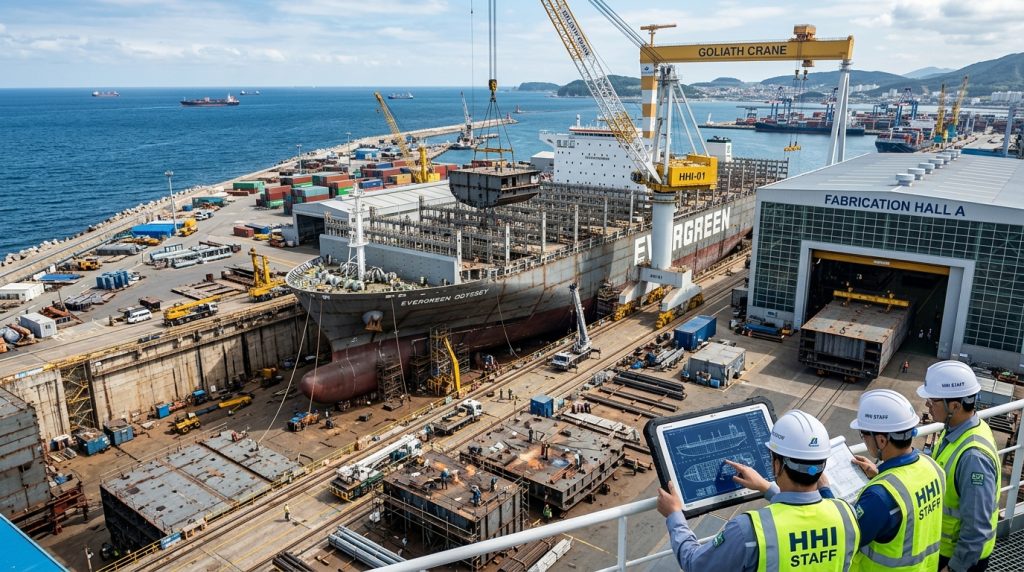
Infrastructure development represents a major portion of the investment. A modern shipyard requires dry docks, floating docks, fabrication workshops, assembly yards, warehouses, cranes, launching facilities, testing centers, administrative buildings, and worker accommodations. Advanced machinery such as CNC cutting machines, welding equipment, hydraulic systems, heavy-duty cranes, robotic fabrication systems, and quality control instruments are necessary to ensure precision manufacturing. Modern shipyards increasingly utilize digital design software, automation technologies, and computer-aided manufacturing systems to improve productivity and reduce construction time.
Obtaining legal approvals and certifications is another critical step. The business must register with relevant government authorities and secure industrial licenses, environmental clearances, labor permits, and maritime certifications. Compliance with national and international shipping regulations is essential. Shipbuilders must adhere to strict safety standards, quality regulations, and environmental requirements. Certification from recognized maritime classification societies is often required before vessels can operate commercially in international waters.
Human resources play a vital role in the success of a shipbuilding industry. A shipyard requires a large workforce that includes naval architects, marine engineers, mechanical engineers, electrical engineers, project managers, welders, fabricators, technicians, quality inspectors, and logistics personnel. Continuous training and skill development programs are necessary because shipbuilding technologies evolve rapidly. Hiring experienced professionals can significantly improve production quality and operational efficiency.
Raw material procurement and supply chain management are equally important. Steel plates, marine-grade aluminum, engines, navigation systems, electrical components, propellers, pumps, safety equipment, and communication systems must be sourced from reliable suppliers. Establishing long-term relationships with vendors ensures stable pricing, timely deliveries, and consistent product quality. Efficient inventory management helps reduce production delays and minimize operational costs.
Marketing and customer acquisition strategies should focus on building relationships with shipping companies, government agencies, defense organizations, offshore energy companies, and international buyers. Participation in maritime exhibitions, shipbuilding conferences, and trade fairs can help establish credibility and attract customers. A professional website, digital marketing campaigns, and industry partnerships can further strengthen market presence. Offering maintenance, repair, and overhaul (MRO) services can generate recurring revenue and improve customer retention.
Financial planning is crucial because shipbuilding projects often require substantial capital investments and long development cycles. Depending on the scale of operations, initial investment may range from hundreds to thousands of crores. Funding can be obtained through bank loans, government subsidies, private investors, public-private partnerships, or strategic collaborations with international shipbuilding firms. Maintaining adequate working capital is essential to manage large projects and operational expenses.
In conclusion, establishing a shipbuilding industry requires extensive planning, significant financial resources, advanced infrastructure, and highly skilled manpower. Although the barriers to entry are high, the industry offers excellent long-term growth opportunities due to increasing global trade, maritime transportation, naval modernization, and offshore energy development. Entrepreneurs who focus on quality, innovation, efficient operations, and strong customer relationships can build a successful and profitable shipbuilding business capable of competing in both domestic and international markets.
Shipbuilding Industry Business Plan
Executive Summary
The shipbuilding industry is a large-scale manufacturing sector involved in the design, construction, repair, and maintenance of commercial ships, cargo vessels, passenger ferries, fishing boats, defense vessels, offshore platforms, and luxury yachts. With the growth of international trade, maritime transportation, offshore energy projects, and naval modernization programs, the global demand for ships continues to increase. The objective of this business is to establish a modern shipyard capable of constructing high-quality vessels for domestic and international markets while generating long-term profitability and sustainable growth.
Business Overview
Business Name
OceanTech Shipbuilding Industries Pvt. Ltd.
Industry
Shipbuilding and Marine Engineering
Business Type
Large-Scale Manufacturing Industry
Products and Services
- Cargo Ships
- Container Vessels
- Oil and Gas Tankers
- Passenger Ferries
- Fishing Vessels
- Patrol and Defense Boats
- Luxury Yachts
- Offshore Support Vessels
- Ship Repair Services
- Maintenance and Overhaul Services
Vision
To become a globally recognized shipbuilding company known for innovation, quality, safety, and sustainability.
Mission
To design and manufacture world-class vessels that meet international maritime standards while delivering value to customers and stakeholders.
Market Analysis
The global shipping industry transports more than 80% of world trade, creating continuous demand for new vessels. Growing international trade, increasing port development, and government investments in naval infrastructure provide significant opportunities for shipbuilders.
Target Customers
- Shipping Companies
- Logistics Operators
- Government Departments
- Naval and Coast Guard Organizations
- Offshore Oil and Gas Companies
- Fishing Industry Businesses
- Luxury Yacht Buyers
Market Opportunities
- Growing international trade routes
- Expansion of coastal shipping
- Demand for eco-friendly vessels
- Naval modernization programs
- Offshore renewable energy projects
Business Model
The company will generate revenue through:
Primary Revenue Sources
- Sale of newly constructed ships
- Government and defense contracts
- Offshore vessel contracts
- Export orders
Secondary Revenue Sources
- Ship maintenance services
- Vessel repairs
- Dry dock services
- Marine engineering consultancy
- Spare parts supply
Location and Infrastructure
Land Requirement
- 200 to 1000 Acres Coastal Land
Ideal Locations
- Gujarat
- Maharashtra
- Andhra Pradesh
- Tamil Nadu
- Odisha
Infrastructure Requirements
- Dry Docks
- Floating Docks
- Fabrication Workshops
- Steel Processing Units
- Assembly Areas
- Heavy Crane Facilities
- Warehouses
- Administrative Offices
- Quality Testing Centers
- Worker Housing Facilities
Machinery and Equipment
Major Equipment Required
- CNC Steel Cutting Machines
- Automated Welding Systems
- Heavy Lift Cranes
- Hydraulic Press Machines
- Steel Plate Bending Machines
- Robotic Fabrication Systems
- Painting and Coating Equipment
- Marine Testing Equipment
- Material Handling Systems
Estimated Machinery Investment
₹500 Crore – ₹2,000 Crore
Legal Requirements
Business Registrations
- Company Registration
- GST Registration
- Import Export Code (IEC)
- Factory License
Industry Approvals
- Environmental Clearance
- Coastal Regulation Zone Approval
- Maritime Safety Certification
- Labor Department Approvals
- Pollution Control Board Approvals
International Certifications
- ISO Certifications
- Marine Classification Society Certifications
- International Maritime Organization Compliance
Human Resources Plan
Management Team
- Chief Executive Officer
- Operations Director
- Finance Director
- Engineering Director
Technical Staff
- Naval Architects
- Marine Engineers
- Mechanical Engineers
- Electrical Engineers
- Project Managers
Production Workforce
- Welders
- Fabricators
- Technicians
- Machine Operators
- Quality Inspectors
Total Workforce
2,000 – 10,000 Employees
Production Process
Step 1
Market Research and Contract Acquisition
Step 2
Ship Design and Engineering
Step 3
Material Procurement
Step 4
Steel Fabrication
Step 5
Hull Construction
Step 6
Machinery Installation
Step 7
Electrical and Navigation System Installation
Step 8
Painting and Finishing
Step 9
Testing and Sea Trials
Step 10
Delivery to Customer
Marketing Strategy
Offline Marketing
- Maritime Trade Shows
- International Shipping Conferences
- Government Procurement Programs
- Industry Networking Events
Online Marketing
- Professional Website
- Digital Advertising
- LinkedIn Marketing
- Industry Publications
Branding Strategy
- High Quality Manufacturing
- Competitive Pricing
- International Standards Compliance
- Sustainable Shipbuilding Practices
Investment Plan
Land Acquisition : ₹500 Crore – ₹2,500 Crore
Infrastructure Development : ₹1,000 Crore – ₹5,000 Crore
Machinery and Equipment : ₹500 Crore – ₹2,000 Crore
Working Capital : ₹500 Crore – ₹1,500 Crore
Marketing and Business Development : ₹50 Crore – ₹200 Crore
Total Estimated Investment : ₹2,550 Crore – ₹11,200 Crore+
Funding Sources
- Promoter Capital
- Bank Loans
- Private Equity Investors
- Government Subsidies
- Strategic International Partnerships
- Public Offering (IPO)
Financial Projections
Year 1
Revenue: ₹500 Crore
Profit: Loss due to setup phase
Year 2
Revenue: ₹1,500 Crore
Profit Margin: 5%
Year 3
Revenue: ₹3,500 Crore
Profit Margin: 8%
Year 4
Revenue: ₹6,000 Crore
Profit Margin: 10%
Year 5
Revenue: ₹10,000 Crore+
Profit Margin: 12–15%
Risk Analysis
Major Risks
- High Capital Requirements
- Global Economic Slowdowns
- Steel Price Fluctuations
- Environmental Regulations
- International Competition
Risk Mitigation
- Diversified Customer Base
- Long-Term Supply Contracts
- Strong Financial Planning
- Continuous Technology Upgrades
Growth Strategy
Phase 1
Build domestic shipbuilding capability
Phase 2
Expand into export markets
Phase 3
Develop defense and offshore vessels
Phase 4
Establish international ship repair facilities
Phase 5
Invest in green and autonomous ship technologies
Conclusion
The shipbuilding industry is one of the most profitable and strategically important manufacturing sectors in the world. Although it requires substantial investment, advanced infrastructure, and specialized expertise, the long-term rewards are significant. With increasing global trade, growing maritime transportation needs, and rising demand for eco-friendly vessels, a professionally managed shipbuilding company can become a multi-billion-dollar enterprise serving domestic and international markets.
Read more :