

How to start food business from home with Zomato

How To Start Ready-to-Cook Food Packs Business?

How To Start the Best Ready-To-Cook Food Packs Business? – Complete Business Plan

The ready-to-cook food packs business is one of the fastest-growing and highly profitable home-based business ideas in today’s busy lifestyle. With increasing work pressure and lack of time, many people prefer quick and convenient cooking solutions without compromising on taste and health. Ready-to-cook (RTC) food packs provide pre-measured ingredients and easy instructions, allowing customers to prepare meals quickly at home. This business is gaining popularity among working professionals, students, and small families. With proper planning, quality ingredients, and smart packaging, this business can generate steady income and grow into a successful brand.

Business Information

The ready-to-cook food packs business involves preparing and selling pre-mixed or semi-prepared food kits that customers can cook easily at home. These packs may include items like dosa batter mix, idli mix, upma mix, poha mix, pulao mix, curry bases, gravy mixes, and snack kits. You can also offer regional or specialty dishes to attract more customers. Each pack usually contains measured ingredients, spices, and simple cooking instructions. The key success factors include taste, convenience, freshness, and proper packaging. Since these products are semi-processed, maintaining hygiene and shelf life is very important. You can sell directly to customers, supply to local shops, or promote through online platforms.

Business Plan

To start a ready-to-cook food packs business, the first step is to decide your product range and target market. Begin with a few popular and easy-to-prepare items that have good demand. Standardize your recipes to maintain consistent taste and quality. Next, plan your production process, including sourcing raw materials, cleaning, measuring, mixing, and packing. You should ensure that all ingredients are fresh and properly processed to increase shelf life. Packaging plays a crucial role in this business, as it protects the product and attracts customers. Use airtight, food-grade packaging with clear labeling including ingredients, cooking instructions, and expiry date. Pricing should be competitive while ensuring a good profit margin. Start with small batches, test your products, and expand based on customer feedback.

Startup Cost

The startup cost for a ready-to-cook food packs business is low to moderate. You can start with an investment of around ₹10,000 to ₹50,000, depending on the scale. If you already have a kitchen setup, your main expenses will include raw materials, packaging materials, and basic equipment such as mixing bowls, a weighing scale, and a sealing machine. Storage containers are also needed to keep ingredients fresh. As your business grows, you can invest in better packaging and equipment to increase production capacity.

Profit Margin

The ready-to-cook food business offers good profit margins because of its convenience factor. On average, you can expect a profit margin of 30% to 60%. For example, if the cost of preparing a food pack is ₹40 to ₹60, you can sell it for ₹100 to ₹200, depending on the product and packaging. Premium and specialized meal kits can be priced higher. Bulk orders and subscription plans can further increase your income. Efficient cost management and reducing wastage will help you maximize your profits.

Marketing Strategy

Marketing is very important for the success of your ready-to-cook food business. In the beginning, you can promote your products among friends, family, and local communities. Offering free samples or demo cooking sessions can help you attract customers and build trust. Social media platforms like WhatsApp, Instagram, and Facebook are very effective for promotion. Posting product photos, videos, and customer reviews can help you reach a larger audience. Creating a WhatsApp catalog makes it easy to share your product list and take orders. You can also supply your products to local shops, supermarkets, and small retailers. Offering combo packs, discounts, and festive offers can boost your sales. Branding your products with a unique name and attractive packaging will help you stand out.

Target Audience

The target audience for a ready-to-cook food packs business includes working professionals, students, bachelors, and small families who prefer quick and easy cooking solutions. Busy individuals who do not have time to prepare meals from scratch are your primary customers. You can also target health-conscious people by offering healthy and low-oil meal kits. Office workers and young couples are also important segments. Additionally, you can target people who enjoy cooking but want convenience in preparation. Understanding your audience will help you design your products and marketing strategies effectively.

Operations and Management

Running a ready-to-cook food business requires proper planning and hygiene. You need to ensure that all ingredients are clean, fresh, and properly processed. Maintaining hygiene during preparation and packaging is essential to building customer trust. Proper storage is important to maintain shelf life and quality. You should keep track of inventory, orders, and expenses to manage your business efficiently. Regular quality checks will help maintain consistency. As your business grows, you can hire helpers or invest in better equipment to handle larger production.

Growth Opportunities

The ready-to-cook food business has excellent growth potential. Once you establish your brand, you can expand your product range by introducing new meal kits and regional specialties. You can also improve your packaging and branding to attract premium customers. Selling your products online through e-commerce platforms can help you reach a wider audience. You can also supply your products to supermarkets, hotels, and retail chains. With consistent quality and effective marketing, your small home-based business can grow into a successful food brand.

Conclusion

The ready-to-cook food packs business is a simple, convenient, and profitable home-based business with growing demand. By focusing on quality, taste, and ease of use, you can build a loyal customer base and generate a steady income. With proper planning and smart marketing, your business can expand quickly and compete with established brands. With dedication and consistency, this business can become a successful and long-term venture.

How To Start The Best Home Catering Business?

Start a Best Catering Business From Home- Business Plan

Introduction

The catering business from home is one of the most profitable and scalable home-based business ideas, especially in a country like India, where food plays a central role in every celebration and gathering. From small house parties and birthday functions to religious events and office meetings, there is always a demand for fresh, hygienic, and tasty food. Many people prefer home-style catering over restaurant catering because it offers better quality, customized menus, and affordable pricing. If you have a passion for cooking and good management skills, starting a catering business from home can become a highly rewarding and long-term income source.

Business Information

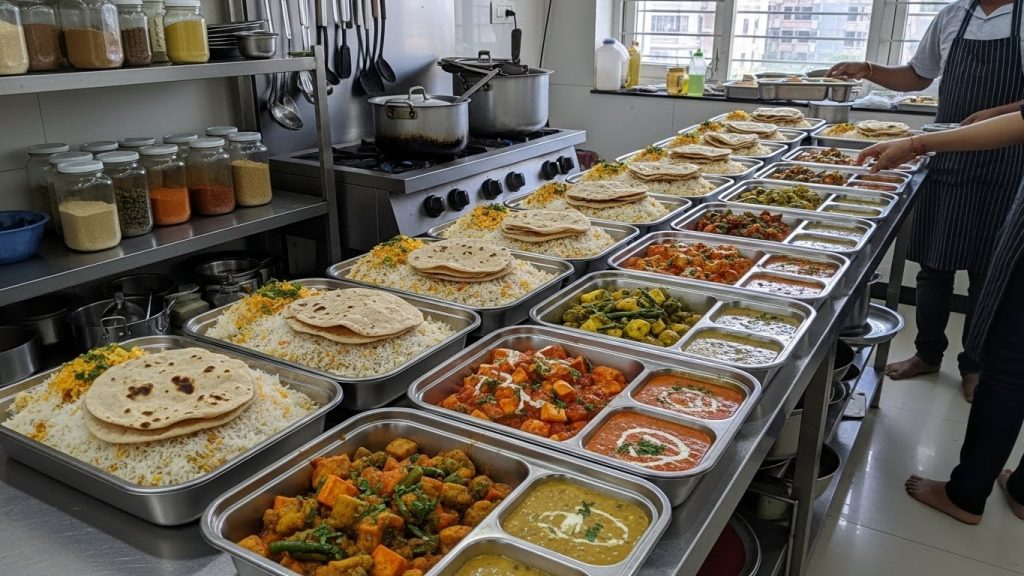
The home catering business involves preparing and supplying food for small to medium-sized events directly from your home kitchen. You can offer a variety of services such as birthday party catering, small wedding functions, office lunches, festival orders, and special occasions. Unlike large catering companies, home-based catering focuses on limited but high-quality orders. You can specialize in a particular cuisine, such as North Indian, South Indian, snacks, or traditional meals. This business can start with small orders for 10–20 people and gradually expand to larger events as your capacity increases. The key success factors include taste, quality, hygiene, timely delivery, and professional service.

Business Plan

To start a catering business from home, the first step is to decide your niche and menu. It is advisable to begin with a limited menu that you can prepare efficiently and consistently. You can offer meal packages or per-plate pricing depending on the type of event. Next, plan your kitchen operations, including ingredient sourcing, food preparation, cooking schedule, and packaging. You should also decide whether you will provide delivery only or include serving staff for events. Creating a proper pricing structure is very important to ensure profitability while remaining competitive. Initially, focus on small events and gradually take larger orders as your confidence and resources grow. Building strong relationships with customers and delivering quality service will help you gain repeat orders and referrals.

Startup Cost

The startup cost for a home catering business is moderate compared to other home businesses. You can start with an investment of around ₹20,000 to ₹1,00,000, depending on the scale. If you already have a well-equipped kitchen, your costs will be lower. Major expenses include raw materials, large cooking utensils, gas cylinders, storage containers, and packaging materials. If you plan to handle larger orders, you may need additional equipment like large vessels, burners, and serving items. Delivery arrangements and hiring temporary helpers for events may also add to your cost. Starting small and reinvesting your profits is the best approach to managing expenses.

Profit Margin

The catering business offers good profit margins, especially when managed efficiently. On average, you can expect a profit margin of 30% to 50%. For example, if your cost per plate is ₹100 to ₹150, you can charge ₹200 to ₹300 or more, depending on the menu and service. Bulk orders for events can generate significant income in a single day. Special menus, premium dishes, and customized services can further increase your profit. Efficient planning, bulk purchasing of ingredients, and minimizing wastage can help you maximize your earnings.

Marketing Strategy

Marketing is a key factor in growing your home catering business. In the beginning, you can promote your services among friends, family, and local communities. Word-of-mouth marketing is extremely powerful in this business, especially if your food quality and service are excellent. You can also create social media profiles on Instagram, Facebook, and WhatsApp to showcase your dishes, menu, and customer feedback. Posting photos and videos of your food and events can attract more customers. Offering free tasting sessions or small discounts for first-time customers can help you gain initial orders. Collaborating with event planners, decorators, and local organizers can bring more business opportunities. You can also create simple brochures or digital menus to share with potential clients.

Target Audience

The target audience for a home catering business includes individuals and groups who organize small to medium-sized events. Your main customers will be families hosting birthday parties, anniversaries, and religious functions. Office clients who need catering for meetings and events are also an important segment. Students and young professionals organizing small gatherings can also be potential customers. You can also target local communities and societies where regular events take place. Understanding your audience will help you design your menu, pricing, and service style effectively.

Operations and Management

Running a catering business requires strong planning and time management skills. You need to manage multiple tasks such as purchasing ingredients, preparing food, cooking, packaging, and delivery. For events, coordination and timing are very important to ensure smooth service. Maintaining cleanliness and hygiene in your kitchen is essential to building trust with customers. Keeping records of orders, expenses, and customer details will help you manage your business efficiently. As your business grows, you may need to hire helpers, cooks, or delivery staff to handle larger orders. Proper teamwork and coordination will ensure successful operations.

Growth Opportunities

The home catering business has excellent growth potential. Once you establish a good reputation, you can expand your services to larger events such as weddings and corporate functions. You can also introduce new menu options, specialize in a particular cuisine, or offer premium catering services. Opening a cloud kitchen or small catering unit can help you handle more orders. You can also partner with event management companies to get regular business. With strong branding and consistent quality, your home-based catering service can grow into a large and successful food business.

Conclusion

The catering business from home is a highly profitable and flexible business opportunity for anyone who enjoys cooking and event management. With moderate investment and high demand, it offers great potential for income and growth. By focusing on quality food, proper planning, and customer satisfaction, you can build a strong reputation and a loyal customer base. With dedication and smart strategies, your home catering business can grow into a successful and long-lasting venture.