
How to start a spice business online in India?

How to Start The Best Spice Processing Unit?

How to Start a Best Spice Processing Unit? – Complete Business Guide
Introduction to Spice Processing Business

A spice processing unit is one of the most profitable and sustainable medium-scale businesses, especially in a spice-rich country like India, which is known as the largest producer and exporter of spices in the world. Spices such as turmeric, chilli, coriander, cumin, and garam masala are essential ingredients in every Indian kitchen, ensuring constant demand throughout the year. A spice processing business involves cleaning, drying, grinding, blending, packaging, and distributing spices in powdered or whole form. With increasing demand for hygienic, branded, and ready-to-use मसाले, this business offers excellent growth opportunities both in domestic and international markets.

Business Plan and Model

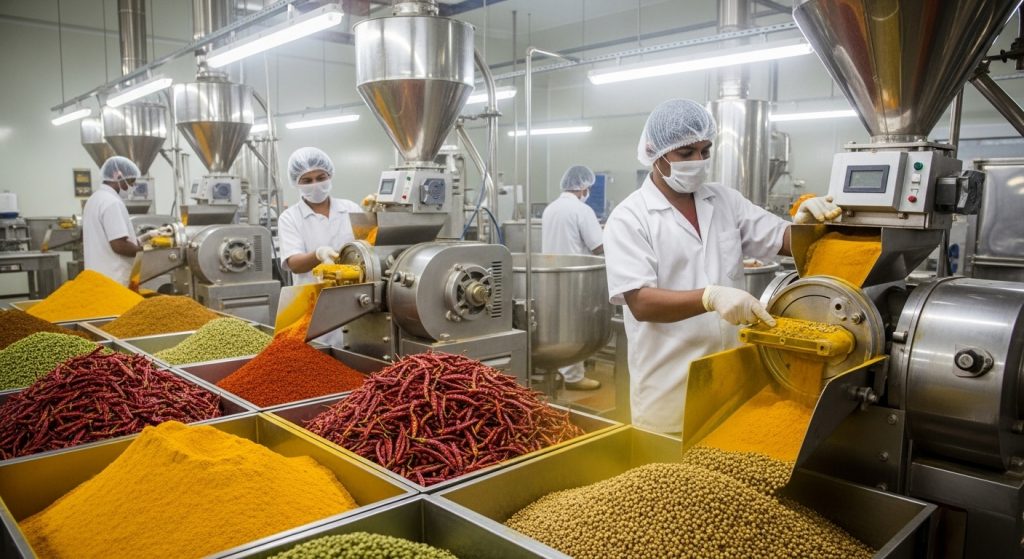
To start a spice processing unit, the first step is to decide your product range. You can focus on single spices like turmeric powder and chilli powder or create blended मसाला products such as garam masala, pav bhaji masala, and kitchen king masala. The next step is sourcing high-quality raw spices directly from farmers or wholesale markets to ensure cost efficiency and quality. The processing unit requires machines like cleaning machines, pulverisers (grinders), dryers, mixing machines, and packaging machines. It is mandatory to obtain licenses from the Food Safety and Standards Authority of India to ensure food safety compliance. You can sell your products under your own brand or supply to retailers and wholesalers. Distribution can be done through local markets, supermarkets, and online platforms like Amazon and Flipkart.

Startup Cost and Investment

The investment required for a medium-scale spice processing unit typically ranges between ₹15 lakh and ₹40 lakh, depending on the scale of production and level of automation. Major expenses include machinery (₹8–₹20 lakh), factory setup or rental, raw material procurement, packaging materials, labour costs, and branding. Additional costs include licensing, electricity setup, and initial marketing. Working capital for at least 3–6 months is necessary to manage production and supply cycles. If you start with limited products and semi-automatic machines, you can reduce the initial investment and scale gradually.

Profit Margin and Revenue Potential

The spice processing business offers attractive profit margins ranging from 25% to 50%, depending on the product and branding. Basic spices like turmeric and chilli powder have moderate margins but high demand, while blended मसाले offer higher profit margins due to value addition. For example, raw turmeric purchased at a lower price can be processed and sold at double the cost after grinding and packaging. With effective branding and distribution, a medium-scale unit can generate monthly revenues between ₹3 lakh to ₹15 lakh or more. As the brand gains recognition, profit margins and sales volume increase significantly.

Target Audience

The target audience for spice products is vast and includes households, restaurants, hotels, catering businesses, and food manufacturers. Urban and semi-urban consumers prefer packaged मसाले due to hygiene and convenience. Additionally, restaurants and food service providers require bulk quantities of spices, making them a valuable B2B segment. Export markets also present a huge opportunity, especially for Indian spices, which are in high demand globally. Niche segments like organic spices and chemical-free products are gaining popularity among health-conscious consumers.

Marketing Strategy

A strong marketing strategy is essential to build a successful spice brand. Start with attractive and hygienic packaging that highlights quality and freshness. Branding should focus on authenticity, purity, and taste. Digital marketing plays a key role—use platforms like Instagram and Facebook to promote your products with engaging content such as cooking videos and recipes. Collaborating with food bloggers and influencers can increase brand awareness. Listing products on e-commerce platforms like Amazon helps reach a wider audience. Offline strategies include distributing free samples, offering discounts, and building relationships with retailers and wholesalers. Participating in food exhibitions and trade fairs can also boost visibility.

Operations and Management

Efficient operations are crucial for maintaining quality and consistency. The process begins with sourcing raw spices, followed by cleaning to remove dust and impurities. The spices are then dried to reduce moisture content and ground into powder using pulverisers. Blending is done for mixed मसाले, ensuring consistency in taste and aroma. The final product is packed using sealing machines in moisture-proof packaging to maintain freshness. Hiring skilled workers for production, quality control, and packaging is essential. Maintaining hygiene standards and proper storage conditions is critical to prevent contamination. Inventory management systems help track stock levels and reduce wastage. Logistics and distribution should be well-organised to ensure timely delivery.

Growth Opportunities and Expansion

The spice processing business offers immense growth potential. Once the brand is established, you can expand your product line by introducing new मसाला blends and premium variants. Entering export markets can significantly increase revenue, especially in countries with a large Indian population. Collaborating with supermarkets and large retail chains can boost distribution. You can also launch your own website for direct sales, increasing profit margins. With rising health awareness, introducing organic and chemical-free spices can attract premium customers. Over time, your business can grow into a recognised national or international spice brand.

Conclusion

A spice processing unit is a highly profitable and scalable medium-scale business with consistent demand and strong growth potential. With proper planning, quality control, effective branding, and smart marketing strategies, entrepreneurs can build a successful business in this sector. Although it requires initial investment and compliance with food safety regulations, the long-term benefits and expansion opportunities make it an excellent business choice for aspiring entrepreneurs.

How to Make The Best Spice Powder At Home?

Start a Spice Powder-Making Business? – Complete Business Plan

Introduction

The spice powder-making business is one of the most profitable and evergreen home-based business ideas, especially in India, where spices are an essential part of daily cooking. Every household uses different types of मसाले such as turmeric, chilli powder, coriander powder, garam masala, and various blended spices. With increasing awareness about health and quality, many customers now prefer homemade or pure spices over packaged ones because they are fresh, chemical-free, and more flavorful. This creates a strong opportunity for starting a spice powder business from home. With proper planning, quality control, and branding, this simple business can generate consistent income and grow into a successful brand.

Business Information

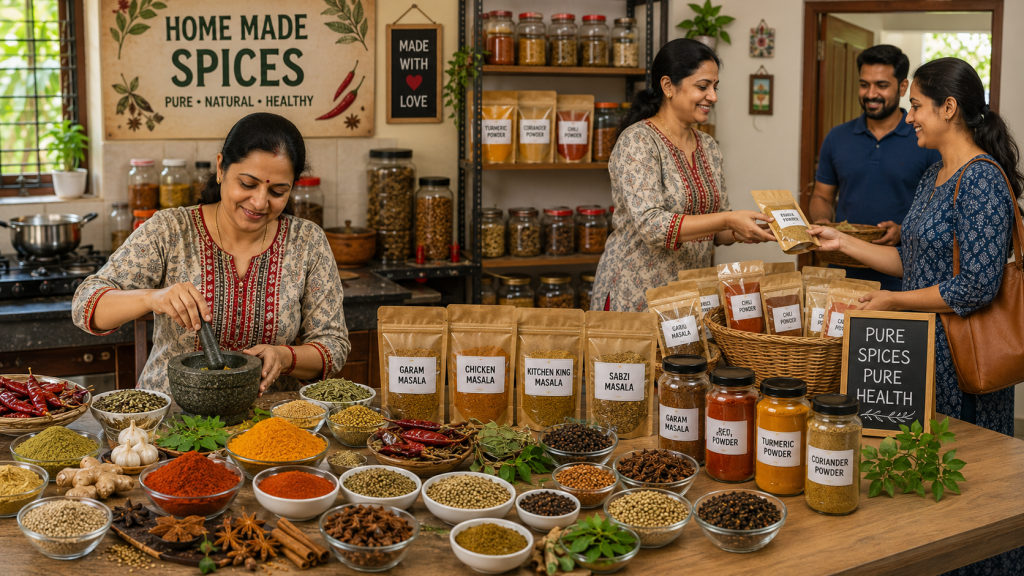
The spice powder making business involves sourcing raw spices, cleaning, drying, grinding, and packaging them into finished products for sale. You can produce single spices such as turmeric powder, red chilli powder, and coriander powder, as well as blended मसाले such as garam masala, kitchen king masala, or regional spice mixes. This business can be started on a small scale from home and expanded gradually. The key factors for success are purity, strong aroma, consistent quality, and hygienic processing. Customers value authenticity, so maintaining natural taste and avoiding adulteration is very important. You can sell your products directly to customers, supply to local grocery stores, or promote them through online platforms.

Business Plan

To start a spice powder-making business, the first step is to decide which spices you want to produce. It is advisable to begin with a few high-demand products such as turmeric powder, chilli powder, and coriander powder, and later expand into blended मसाले. You need to source good-quality raw spices from reliable suppliers or local markets. The next step is cleaning and drying the spices properly to remove moisture and impurities. Grinding can be done using a mixer grinder for small-scale production or a commercial grinding machine for larger quantities. After grinding, the spices should be sieved to ensure a uniform texture. Packaging is a crucial part of the business, as it helps maintain freshness and attracts customers. Use airtight, food-grade packaging with proper labeling, including brand name, weight, and expiry date. You should also plan your pricing strategy based on cost and market demand. Start small, test your products, and gradually expand your business.

Startup Cost

The startup cost for a spice powder-making business is low to moderate, making it suitable for beginners. You can start with an investment of around ₹10,000 to ₹50,000, depending on the scale. If you already have a kitchen setup, your main expenses will include purchasing raw spices, packaging materials, and basic equipment like a mixer grinder. If you want to produce in larger quantities, you may need to invest in a commercial grinding machine, which will increase your initial cost. Other expenses include storage containers, a weighing scale, and a sealing machine for packaging. Starting small and reinvesting profits is a smart way to grow this business.

Profit Margin The spice powder business offers good profit margins because the difference between raw material cost and selling price is significant. On average, you can expect a profit margin of 30% to 60%, depending on the type of spice and packaging. For example, if the cost of producing 1 kg of turmeric powder is ₹120 to ₹150, you can sell it for ₹250 to ₹400, depending on quality and branding. Blended मसाले usually offer higher profit margins compared to single spices. Since spices have a longer shelf life, you can produce in bulk and sell over time, reducing the risk of loss. Efficient sourcing and proper cost management can further increase your profits.

Marketing Strategy

Marketing plays a very important role in the success of your spice powder business. In the beginning, you can promote your products among friends, family, and neighbors. Offering free samples is an effective way to gain customer trust. Word-of-mouth marketing is extremely powerful, especially if your spices have a strong aroma and good quality. You can also use digital platforms like WhatsApp, Instagram, and Facebook to showcase your products. Posting photos, videos, and customer reviews can help attract more buyers. Creating a WhatsApp catalog or business account makes it easy to manage orders. You can also supply your products to local किराना दुकाने, supermarkets, and small retailers. Offering combo packs, discounts, and festive offers can boost your sales. Branding your spices with a unique name and attractive packaging will help you compete with established brands.

Target Audience

The target audience for a spice powder-making business is very wide. Every household is a potential customer because spices are used daily in cooking. Your main customers include families, गृहिणी (homemakers), and working professionals. Restaurants, dhabas, and catering services are also important customers as they require spices in bulk. Small grocery stores and retailers can help you reach more customers by selling your products. Health-conscious consumers who prefer pure and chemical-free spices are another important segment. Understanding your target audience will help you plan your products, pricing, and marketing strategies effectively.

Operations and Management

Running a spice powder business requires proper planning and hygiene. You need to ensure that all raw materials are clean and of good quality. The drying process is very important to prevent moisture and spoilage. Grinding should be done carefully to maintain the natural aroma and color of spices. Proper storage in dry and cool conditions is essential to maintain freshness. You should keep track of your inventory, production, and sales to manage your business efficiently. Maintaining cleanliness and hygiene during the entire process will help you build customer trust. As your business grows, you can hire helpers or invest in better machines to increase production.

Growth Opportunities

The spice powder business has excellent growth potential. Once you establish your brand locally, you can expand your product range by introducing more spice blends and regional मसाले. You can also improve your packaging and branding to attract premium customers. Selling your products online through e-commerce platforms can help you reach customers across different cities. You can also supply your spices to hotels, restaurants, and supermarkets in bulk. With consistent quality and effective marketing, your small home-based business can grow into a well-known brand in the food industry.

Conclusion

The spice powder-making business is a simple, low-investment, and highly profitable home-based business with strong and steady demand. With proper planning, quality control, and effective marketing, you can build a successful and sustainable business. By focusing on purity, taste, and customer satisfaction, you can create a loyal customer base and generate regular income. With dedication and smart strategies, your spice business can grow into a large and trusted brand in the future.