
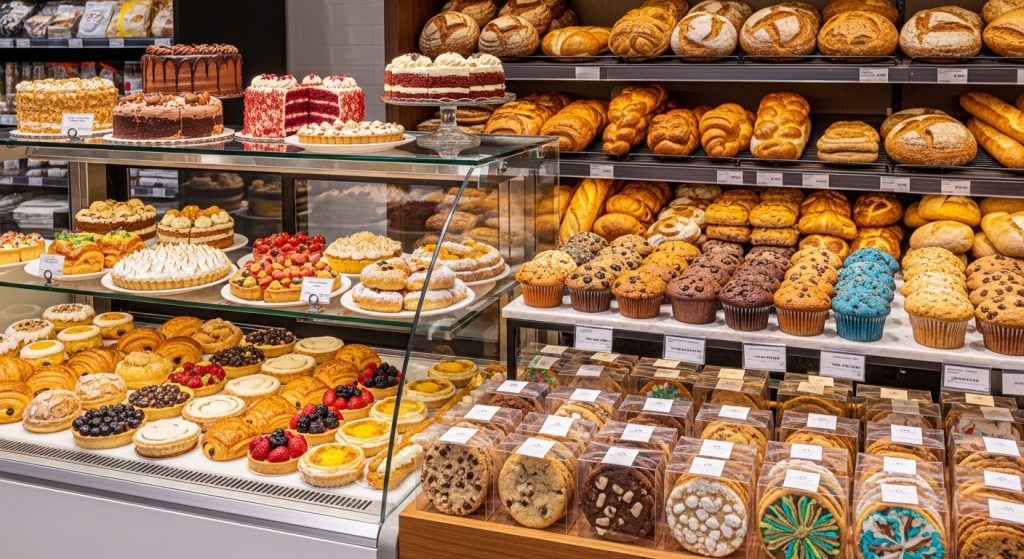
Bakery business profit per month

How To Start The Best Bakery Production Unit?

How To Start a Best Bakery Production Unit – Complete Business Guide
Introduction to Bakery Business

A bakery production unit is one of the most profitable and evergreen medium-scale businesses, especially in a growing market like India. Bakery products such as bread, cakes, biscuits, cookies, pastries, and buns are consumed daily by people of all age groups, making this industry highly stable and demand-driven. With changing lifestyles, urbanization, and increasing preference for ready-to-eat food, bakery items have become an essential part of modern diets. A bakery production unit focuses on manufacturing baked goods in bulk and supplying them to retail shops, supermarkets, cafes, and online customers.

Business Plan and Model

The first step in starting a bakery production unit is deciding on your product range. You can focus on bread and buns for daily consumption or expand into premium products like cakes, pastries, cookies, and customized desserts. The business model can be B2B (supplying to retailers, hotels, and cafes) or B2C (direct sales through your own outlet or online platforms). Setting up a production unit requires equipment such as ovens, mixers, dough kneaders, proofing chambers, and packaging machines. Obtaining necessary licenses from the Food Safety and Standards Authority of India is mandatory to ensure food safety and quality standards. Distribution can be done through local vendors, supermarkets, and online platforms like Amazon and Flipkart.

Startup Cost and Investment

The investment required for a medium-scale bakery production unit typically ranges between ₹10 lakh and ₹50 lakh, depending on the scale and product variety. Major costs include machinery (₹5–₹20 lakh), kitchen setup, raw materials, packaging, labor, and rental or purchase of space. High-quality ovens and baking equipment are crucial investments that directly impact product quality. Additional expenses include branding, licensing, electricity setup, and initial marketing. Working capital for at least 3–6 months is necessary to manage operations smoothly and maintain consistent production.

Profit Margin and Revenue Potential

The bakery business offers attractive profit margins ranging from 20% to 40%, depending on the product category. Basic items like bread have lower margins but high sales volume, while premium products like cakes, pastries, and cookies offer higher margins. For example, a cake costing ₹200–₹300 to produce can be sold at ₹500–₹800 or more, depending on design and branding. A well-managed bakery unit can generate monthly revenues between ₹3 lakh and ₹20 lakh or more. As the brand grows and customer loyalty increases, profitability improves significantly.

Target Audience

The target audience for bakery products is very broad and includes households, students, working professionals, cafes, restaurants, and event organizers. Urban and semi-urban populations are the primary customers due to their preference for convenience and ready-to-eat food. Additionally, special occasions such as birthdays, weddings, and celebrations create high demand for customized cakes and desserts. Health-conscious consumers are also a growing segment, especially for products like whole wheat bread, sugar-free cakes, and gluten-free items.

Marketing Strategy

Marketing plays a key role in building a successful bakery brand. Start with a strong brand identity, including a unique name, logo, and attractive packaging. Visual appeal is very important in the bakery business, so focus on high-quality product presentation. Digital marketing through platforms like Instagram and Facebook can help showcase your products with appealing images and videos. Collaborating with food bloggers and influencers can increase brand visibility. Offering online ordering and home delivery services can attract more customers. Offline strategies include distributing free samples, offering discounts, and building relationships with retailers and cafes. Participating in food exhibitions and local events can also boost brand awareness.

Operations and Management

Efficient operations are essential for maintaining quality and consistency in a bakery production unit. The process begins with sourcing high-quality raw materials such as flour, sugar, butter, and yeast. The dough is prepared using mixers and kneaders, followed by fermentation and baking in ovens. After baking, products are cooled, decorated (if required), and packed using hygienic methods. Hiring skilled bakers and trained staff is crucial for maintaining product quality. Maintaining cleanliness and hygiene standards is essential to comply with food safety regulations. Inventory management helps in tracking raw materials and finished products, reducing wastage. Logistics and distribution should be well-organized to ensure timely delivery to customers and retailers.

Growth Opportunities and Expansion

The bakery business offers significant growth opportunities. Once your brand is established, you can expand your product line by introducing new varieties such as premium desserts, chocolates, and snacks. Opening retail outlets or cafes can increase direct sales and brand visibility. Entering corporate supply contracts and event catering can boost revenue. Online sales and delivery services can further expand your customer base. With increasing health awareness, introducing organic, low-calorie, and diet-friendly bakery products can attract new customers. Over time, your business can grow into a well-known regional or national bakery brand.

Conclusion

A bakery production unit is a highly profitable and scalable medium-scale business with consistent demand and wide market potential. With proper planning, quality control, creative product offerings, and effective marketing strategies, entrepreneurs can build a successful bakery brand. Although it requires investment and skilled management, the long-term returns and expansion opportunities make it an excellent business choice for aspiring entrepreneurs.


How To Start The Best Bakery Business At Home?

How To Start a Profitable Bakery Business? – Complete Business Plan

Introduction

The bakery business, especially focusing on cakes and cookies, is one of the most profitable and creative home-based business ideas in today’s market. With increasing demand for customized cakes, celebration desserts, and premium baked goods, this business offers excellent income potential. Birthdays, anniversaries, weddings, and special occasions have become incomplete without cakes, while cookies are a daily snack loved by all age groups. The trend of home bakers is growing rapidly because customers prefer fresh, hygienic, and personalized products over mass-produced bakery items. If you have a passion for baking and creativity, this business can turn into a highly successful venture from your home kitchen.

Business Information

The bakery business involves preparing and selling baked products such as cakes, cupcakes, cookies, brownies, and other desserts. You can start by specializing in a few items like birthday cakes and chocolate chip cookies, and gradually expand your menu based on customer demand. Customization is a key feature of this business, as customers often look for theme-based cakes, photo cakes, and unique designs. This business can operate on an order basis, which reduces wastage and ensures freshness. Quality ingredients, attractive presentation, and consistent taste are the most important factors for success. You can sell directly to customers, take orders through social media, or collaborate with local shops and cafes.

Business Plan

To start a bakery business from home, the first step is to decide your product range and target market. Begin with a limited menu that you can prepare perfectly and efficiently. Focus on popular items such as birthday cakes, cupcakes, and cookies. Next, standardize your recipes to maintain consistent taste and quality. You should plan your production process, including ingredient sourcing, baking schedule, decoration, and delivery. Packaging plays a crucial role in this business, as attractive and safe packaging enhances customer experience. You should also create a pricing strategy based on your costs and market competition. Taking advance orders is a smart approach, as it helps you manage time and reduce wastage. As your business grows, you can expand your product range and invest in better equipment.

Startup Cost

The startup cost for a home bakery business can vary depending on the scale and equipment. If you already have a basic oven and kitchen setup, you can start with an investment of ₹15,000 to ₹60,000. Major expenses include ingredients such as flour, sugar, butter, cream, chocolate, and baking essentials. You may also need equipment like an oven, mixer, baking trays, cake molds, decorating tools, and packaging materials. If you plan to create designer cakes, you may need additional tools for decoration. Initially, you can start small and upgrade your equipment as your business grows and profits increase.

Profit Margin

The bakery business offers high profit margins, especially in customized cakes and premium cookies. On average, you can expect a profit margin of 40% to 70%. For example, a cake that costs ₹300 to ₹500 to make can be sold for ₹800 to ₹1500 or more, depending on design and customization. Cookies also offer good margins when sold in packs. Special occasions and bulk orders can significantly increase your income. By controlling ingredient costs, reducing wastage, and improving efficiency, you can maximize your profits. Branding and premium packaging can also help you charge higher prices.

Marketing Strategy

Marketing is extremely important in the bakery business because it is visually driven. High-quality photos and videos of your cakes and cookies can attract a large number of customers. Start by promoting your products among friends, family, and local contacts. Social media platforms like Instagram, Facebook, and WhatsApp are powerful tools for showcasing your work. Posting regularly, sharing customer reviews, and uploading videos of cake decoration can help build trust and engagement. Offering discounts, festive offers, and referral benefits can attract more customers. Collaborating with event planners, party organizers, and local cafes can also increase your orders. Creating a unique brand name and logo will help you stand out in the competitive market.

Target Audience

The target audience for a bakery business is wide and diverse. Your primary customers include individuals celebrating birthdays, anniversaries, and special occasions. Parents ordering cakes for their children, young adults celebrating events, and corporate clients ordering cakes for office celebrations are key segments. Cookie lovers and snack consumers are also regular customers. You can also target cafes, small shops, and event planners for bulk orders. Premium customers who prefer designer cakes and customized desserts are willing to pay higher prices, which can increase your profitability.

Operations and Management

Running a bakery business requires proper planning and time management. You need to manage orders, baking schedules, ingredient stock, and delivery timelines efficiently. Since most bakery products are perishable, you should prepare them close to delivery time to maintain freshness. Maintaining cleanliness and hygiene in your kitchen is essential. Keeping records of orders, payments, and customer preferences will help you run the business smoothly. As your business grows, you may need to hire helpers or assistants for baking, decorating, or delivery. Consistency in taste and design is very important to build a loyal customer base.

Growth Opportunities

The bakery business has excellent growth potential. Once you establish your brand, you can expand your product range by introducing new desserts and specialty items. You can also start selling through online platforms or food delivery apps to reach more customers. Opening a small bakery shop or cloud kitchen is the next step for expansion. You can also conduct baking classes or workshops to generate additional income. With strong branding, quality products, and effective marketing, your home bakery can grow into a well-known and successful business.

Conclusion

The bakery business (cakes and cookies) is a highly profitable and rewarding home-based business that combines creativity with income generation. With increasing demand for customized and high-quality baked products, this business offers great growth opportunities. By focusing on taste, presentation, and customer satisfaction, you can build a strong brand and loyal customer base. With dedication, smart planning, and consistent effort, your home bakery can become a successful and long-lasting business venture.