
Start Best Pickle Making Business From Home? – Complete Business Guide
Introduction
The pickle-making business is one of the most traditional yet highly profitable home-based business ideas, especially in India, where pickles are an essential part of daily meals. Almost every household consumes pickles regularly, whether it is mango pickle, lemon pickle, mixed vegetable pickle, or regional varieties. The demand for homemade pickles is increasing because people prefer authentic taste, natural ingredients, and preservative-free products over factory-made options. This business is ideal for individuals who have knowledge of traditional recipes and want to turn their skills into a steady source of income. With proper planning, quality, and packaging, a small pickle business can grow into a strong and recognizable brand.
Business Information
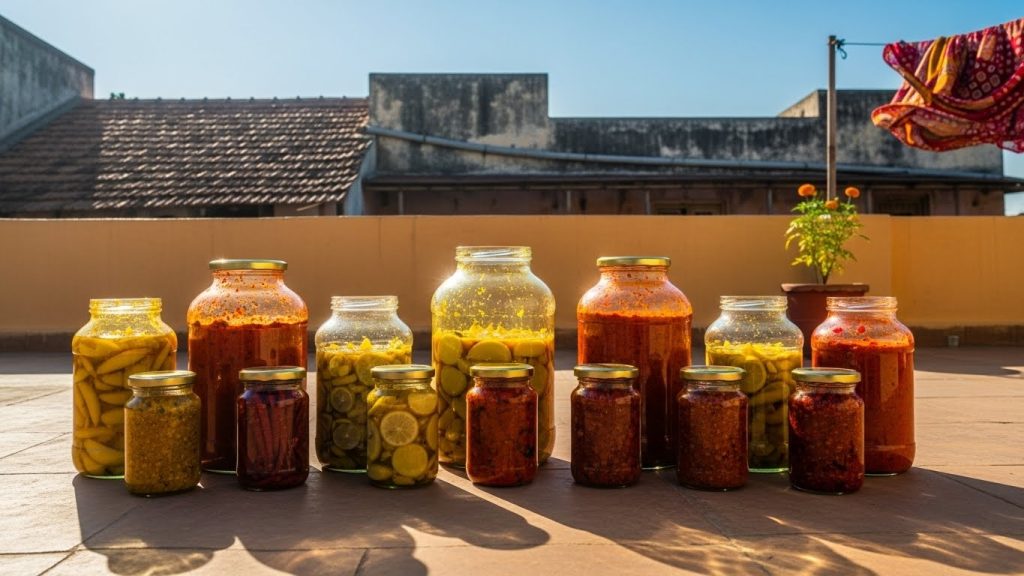
The pickle-making business involves preparing different types of pickles using fruits, vegetables, spices, and oil. Popular varieties include mango, lemon, chilli, garlic, mixed vegetables, and regional specialty pickles. This business can be operated from home with a small setup and can start on a small scale with limited products. The key to success lies in maintaining consistent taste, proper preservation techniques, and high hygiene standards. Since pickles have a longer shelf life compared to other food items, you can produce in batches and store them for future sales. You can sell your products directly to customers, supply to local shops, or promote them through online platforms.
Business Plan
To start a pickle-making business, the first step is to decide which types of pickles you want to produce. It is better to start with 2–3 popular varieties and gradually expand your range. You should standardize your recipes to maintain consistent taste and quality in every batch. The next step is to plan your production process, including sourcing raw materials, preparation, mixing, and storage. Sun-drying and proper oiling are important steps in many pickle recipes, so you need to plan accordingly. Packaging is a crucial part of your business plan because it helps preserve the pickle and attracts customers. Use clean, airtight containers such as glass jars or food-grade plastic containers. Labeling your products with brand name, ingredients, and expiry date adds professionalism. You should also create a pricing strategy that covers your costs and provides a good profit margin. Start locally, test your products in the market, and expand gradually based on customer feedback.
Startup Cost
The pickle-making business requires low to moderate investment, making it suitable for beginners. You can start this business with an investment of around ₹5,000 to ₹25,000, depending on the scale. If you already have a kitchen setup, your main expenses will include raw materials such as fruits, vegetables, spices, oil, and salt. Additional costs include containers, mixing utensils, storage jars, and packaging materials. If you want to sell in bulk or branded packaging, you may need to invest in labels and sealing equipment. Since pickles can be made in large batches and stored, you can reduce frequent production costs and manage your budget efficiently.
Profit Margin
The pickle-making business offers excellent profit margins because the cost of raw materials is relatively low compared to the selling price. On average, you can expect a profit margin of 40% to 60%. For example, if the cost of making 1 kg of pickle is ₹120 to ₹150, you can easily sell it for ₹250 to ₹400, depending on quality and packaging. Premium or specialty pickles can fetch even higher prices. Since pickles have a long shelf life, the risk of loss is lower compared to perishable food
items. Bulk orders during festivals and special occasions can significantly increase your profits. Efficient cost control and maintaining quality will help you maximize your earnings.
Marketing Strategy
Marketing is a key factor in growing your pickle business. In the beginning, you can promote your products among friends, family, and neighbors. Offering free samples is a great way to attract customers and build trust. Word-of-mouth marketing plays a very important role, especially if your pickles have authentic taste and quality. You can also use social media platforms like WhatsApp, Instagram, and Facebook to showcase your products. Posting photos, videos, and customer reviews can help you reach a wider audience. Creating a WhatsApp broadcast list allows you to share updates, offers, and new products easily. You can also collaborate with local grocery stores, supermarkets, and food दुकाने to sell your pickles. Participating in local exhibitions, fairs, and food markets can further increase your visibility. Attractive packaging and branding will help you stand out from competitors.
Target Audience
The target audience for a pickle-making business is very wide. Almost every household consumes pickles, making it a high-demand product. Your primary customers include families, working professionals, and elderly people who enjoy traditional flavors. Students and bachelors living away from home also prefer pickles as they add taste to simple meals. You can also target restaurants, dhabas, and catering services for bulk supply. Health-conscious customers can be targeted by offering low-oil or organic pickles. Additionally, you can attract customers who prefer regional or homemade specialties that are not easily available in the market.
Operations and Management
Managing a pickle-making business requires attention to detail and proper hygiene. You need to ensure that all ingredients are fresh and of good quality. Cleanliness during preparation is very important to maintain product safety and shelf life. Proper mixing, oiling, and storage techniques must be followed to prevent spoilage. You should store pickles in dry and cool places to maintain their quality. Keeping track of inventory, orders, and expenses will help you manage your business efficiently. As your business grows, you can hire helpers for production and packaging. Maintaining consistency in taste and quality is the key to building a loyal customer base.
Growth Opportunities
The pickle-making business has strong growth potential. Once you establish your brand locally, you can expand your product range and introduce new varieties. You can also improve your packaging and branding to attract premium customers. Selling your products online through e-commerce platforms can help you reach customers across different cities. You can also export your pickles if you maintain high-quality standards. With proper marketing and consistency, your home-based pickle business can grow into a successful food brand.
Conclusion
The pickle-making business is a simple, low-investment, and highly profitable home-based business with strong market demand. With traditional recipes, good quality ingredients, and effective marketing, you can build a successful and sustainable business. By focusing on taste, hygiene, and customer satisfaction, you can create a loyal customer base and generate steady income. Over time, this small home business can grow into a large and well-known brand, providing both financial success and personal satisfaction.