
Home Business

How To Start The Best Namkeen Business At Home?

How To Start Best Namkeen Making Business At Home? – Complete Business Plan

The namkeen-making business is one of the most profitable and evergreen home-based business ideas in India, where snacks are an essential part of daily life. From tea-time munching to festive celebrations, namkeen is consumed by people of all age groups. Items like sev, mixture, chivda, bhujia, and other regional snacks have consistent demand throughout the year. With increasing preference for homemade, hygienic, and fresh food, customers are shifting towards locally made namkeen instead of packaged products. This creates a strong opportunity to start a namkeen business from home with low investment and high returns.

Business Information

The namkeen business involves preparing a variety of savory snacks using ingredients like flour (besan, rice flour), spices, oil, peanuts, and pulses. You can start with popular items such as sev, aloo bhujia, mixture, and poha chivda, and gradually expand your product range. This business can be run on a small scale from home and can be increased as demand grows. The key factors for success include taste, crunchiness, freshness, hygiene, and proper packaging. Since namkeen has a good shelf life, you can produce in batches and sell over time. You can sell directly to customers, supply to local shops, or promote your products through online platforms.

Business Plan

To start a namkeen-making business, the first step is to select the products you want to offer. Begin with 2–3 high-demand items that are easy to prepare and have good profit margins. You should standardize your recipes to maintain consistent taste and quality. Next, plan your production process, including ingredient sourcing, preparation, frying, and cooling. Proper oil temperature and frying techniques are very important to achieve the right taste and texture. After preparation, namkeen should be cooled properly before packaging to maintain crispiness. Packaging should be airtight and attractive to preserve freshness and attract customers. You should also plan your pricing strategy based on cost and market competition. Start small, test your products in the local market, and gradually expand your business.

Startup Cost

The startup cost for a namkeen-making business is low to moderate, making it ideal for beginners. You can start with an investment of around ₹10,000 to ₹40,000, depending on the scale. If you already have a kitchen setup, your main expenses will include raw materials such as flour, spices, oil, and packaging materials. You may also need equipment like a fryer (kadhai), a gas stove, utensils, and storage containers. A sealing machine can be useful for packaging. As your business grows, you can invest in larger equipment and increase your production capacity.

Profit Margin

The namkeen business offers good profit margins because the cost of raw materials is relatively low compared to the selling price. On average, you can expect a profit margin of 30% to 50%. For example, if the cost of producing 1 kg of namkeen is ₹120 to ₹150, you can sell it for ₹200 to ₹300, depending on quality and packaging. Premium and branded products can be priced higher. Bulk orders from shops and during festive seasons can significantly increase your income. Efficient cost management and reducing wastage will help you maximize your profits.

Marketing Strategy

Marketing plays an important role in growing your namkeen business. In the beginning, you can promote your products among friends, family, and neighbors. Offering free samples is an effective way to attract customers and build trust. Word-of-mouth marketing is very powerful, especially if your namkeen is tasty and fresh. You can also use social media platforms like WhatsApp, Instagram, and Facebook to promote your products. Posting photos, videos, and customer reviews can help you reach a larger audience. Creating a WhatsApp group or catalog makes it easy to take orders. You can also supply your products to local किराना दुकाने, tea stalls, and small retailers. Offering combo packs, discounts, and festive offers can boost your sales. Attractive packaging and branding will help you stand out in the market.

Target Audience

The target audience for a namkeen-making business is very wide. Your main customers include families, working professionals, and students who consume snacks regularly. Tea lovers are a major segment, as namkeen is commonly eaten with tea. You can also target offices, shops, and small vendors for bulk orders. Children and young adults are also regular consumers of snacks. During festivals and special occasions, the demand for namkeen increases significantly. Understanding your audience will help you plan your products and marketing strategies effectively.

Operations and Management

Running a namkeen business requires proper planning and hygiene. You need to ensure that all ingredients are fresh and of good quality. Maintaining cleanliness during preparation is very important. Proper frying techniques and oil management are essential to maintain taste and quality. After frying, namkeen should be cooled and stored properly to maintain crispiness. Keeping track of inventory, orders, and expenses will help you manage your business efficiently. As your business grows, you can hire helpers or invest in better equipment to handle larger production.

Growth Opportunities

The namkeen business has excellent growth potential. Once you establish a loyal customer base, you can expand your product range by introducing new varieties and flavors. You can also improve your branding by creating a unique name and packaging design. Selling your products online through e-commerce platforms can help you reach more customers. Supplying to supermarkets, cafes, and retail stores can increase your sales. With consistent quality and effective marketing, your small home-based business can grow into a well-known brand.

Conclusion

The namkeen-making business is a simple, low-investment, and highly profitable home-based business with strong and steady demand. By focusing on taste, quality, and hygiene, you can build a loyal customer base and generate regular income. With proper planning and smart marketing, your business can grow steadily and compete with established brands. With dedication and consistency, this traditional snack business can become a successful and long-term venture.

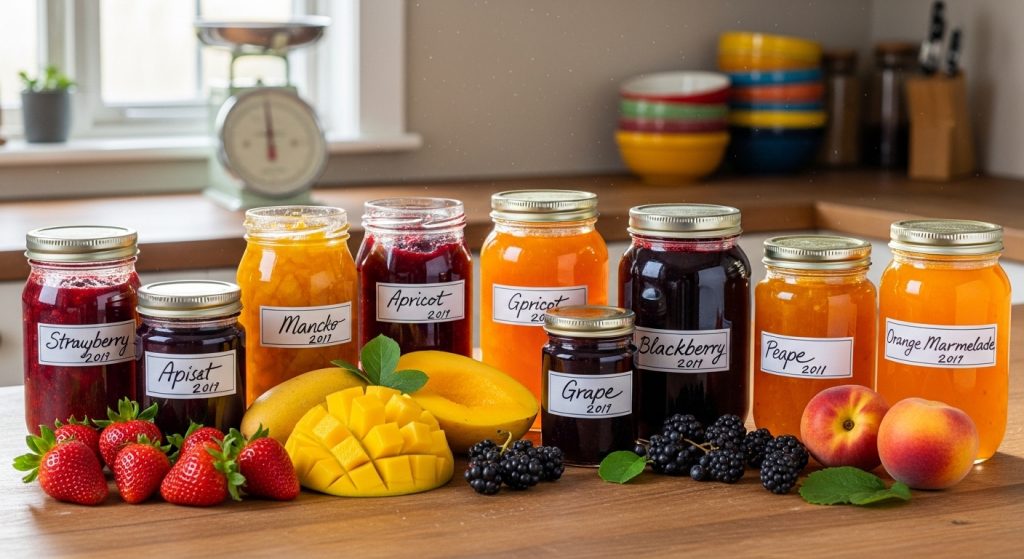
How to Make the Best Jam and Jelly At Home?

How to Start the Best Jam and Jelly Making Business – Complete Business Plan

The jam and jelly business is a simple, low-investment, and highly profitable home-based business idea, especially in a country like India, where fruit-based products are widely consumed. Jam and jelly are popular breakfast items and are also used in snacks, bakery products, and desserts. With increasing awareness about health and quality, many customers now prefer homemade jams and jellies because they are made from fresh fruits and contain fewer preservatives compared to market products. This creates a strong opportunity for starting a jam and jelly business from home. With proper planning, quality ingredients, and attractive packaging, this business can generate steady income and long-term growth.

Business Information

The jam and jelly business involves preparing fruit-based spreads using ingredients like fresh fruits, sugar, pectin, and natural flavors. Popular varieties include mango jam, strawberry jam, mixed fruit jam, orange marmalade, and grape jelly. You can also introduce unique and seasonal flavors to attract more customers. This business can be run on a small scale from home and expanded gradually. The key success factors include taste, texture, freshness, and proper preservation. Since jams and jellies have a relatively long shelf life, you can produce them in batches and sell them over time. You can sell your products directly to customers, supply to local shops, or promote them online.

Business Plan

To start a jam and jelly business, the first step is to decide your product range and target market. Begin with 2–3 popular flavors and gradually expand based on customer demand. You should standardize your recipes to maintain consistent taste and quality. The production process includes selecting fresh fruits, washing, cutting, cooking, adding sugar and pectin, and boiling until the desired consistency is achieved. Proper sterilization of jars is very important to increase shelf life and maintain hygiene. Packaging should be done in clean, airtight glass jars or food-grade containers. Labeling your products with brand name, ingredients, and expiry date adds professionalism. Pricing should be set based on your cost and market competition. Starting small and testing your products will help you improve and grow.

Startup Cost

The startup cost for a jam and jelly business is low to moderate. You can start with an investment of around ₹5,000 to ₹30,000, depending on the scale. If you already have a kitchen setup, your main expenses will include fresh fruits, sugar, pectin, jars, and packaging materials. Basic equipment like cooking vessels, spoons, and a gas stove is usually already available at home. Additional costs may include labels and sealing tools. As your business grows, you can invest in better packaging and equipment to increase production.

Profit Margin

The jam and jelly business offers good profit margins because the cost of raw materials is relatively low compared to the selling price. On average, you can expect a profit margin of 30% to 60%. For example, if the cost of producing a jar of jam is ₹40 to ₹60, you can sell it for ₹100 to ₹200, depending on quality and packaging. Premium and organic products can be priced even higher. Seasonal fruits can help reduce costs and increase profits. Efficient production and minimizing wastage will further improve your earnings.

Marketing Strategy

Marketing is very important for the success of your jam and jelly business. In the beginning, you can promote your products among friends, family, and neighbors. Offering free samples is a great way to attract customers and build trust. Word-of-mouth marketing is very powerful, especially if your products are tasty and of high quality. You can also use social media platforms like WhatsApp, Instagram, and Facebook to promote your business. Posting photos, videos, and customer reviews can help you reach more people. Creating attractive packaging and branding will make your products stand out. You can also supply your jams and jellies to local grocery stores, bakeries, and cafes. Offering combo packs and festive gift sets can increase your sales.

Target Audience

The target audience for a jam and jelly business is very wide. Your main customers include families, children, and working professionals who use these products regularly. Bakeries, cafes, and snack दुकाने are also important customers as they use jams and jellies in their products. Health-conscious individuals who prefer homemade and natural food items are another key segment. You can also target gift buyers during festivals and special occasions. Understanding your audience will help you design your products, packaging, and marketing strategies effectively.

Operations and Management

Running a jam and jelly business requires proper planning and hygiene. You need to ensure that fruits are fresh and of good quality. Cleanliness during preparation and proper sterilization of jars are essential to maintain product safety and shelf life. The cooking process should be monitored carefully to achieve the right consistency and taste. Proper storage in a cool and dry place will help maintain quality. Keeping track of inventory, orders, and expenses will help you manage your business efficiently. As your business grows, you can hire helpers or increase production capacity.

Growth Opportunities

The jam and jelly business has strong growth potential. Once you establish your brand, you can expand your product range by introducing new flavors, organic products, and premium gift packs. You can also sell your products online through e-commerce platforms to reach more customers. Supplying to supermarkets, bakeries, and cafes can increase your sales. You can also explore export opportunities for homemade products. With consistent quality and effective marketing, your small home-based business can grow into a successful brand.

The jam and jelly business is a simple, low-investment, and profitable home-based business with strong market demand. By focusing on quality, taste, and hygiene, you can build a loyal customer base and generate a steady income. With proper planning and smart marketing, your homemade products can compete with established brands. With dedication and consistency, this business can grow into a successful and long-term venture.

How To Make The Best Ice Cream At Home?

How To Make the Best Ice Cream Making Business – Complete Business Plan

The ice cream-making business is one of the most enjoyable and profitable home-based business ideas, especially in a country like India, where ice cream is loved by people of all age groups. Whether it is the summer season, celebrations, or casual desserts, ice cream has a strong and consistent demand. Nowadays, customers prefer homemade ice creams because they are fresh, hygienic, and free from harmful preservatives. Unique flavors, natural ingredients, and creative presentation give homemade ice creams a strong advantage over mass-produced brands. With the right approach, this business can generate high profits and grow into a successful brand.

Business Information

The ice cream-making business involves preparing and selling different types of ice creams such as vanilla, chocolate, strawberry, mango, dry fruit, kulfi, and specialty flavors. You can also introduce premium options like sugar-free ice creams, organic ice creams, and customized desserts. This business can be run on an order basis as well as through regular sales. Since ice cream requires proper storage, maintaining the right temperature is very important. The key success factors include taste, quality of ingredients, texture, and attractive presentation. You can sell directly to customers, supply to small shops, or take orders through social media platforms.

Business Plan

To start an ice cream-making business, first decide on your product range and target market. Begin with a few popular flavors that are easy to make and have high demand. You can gradually introduce new and unique flavors based on customer preferences. Next, plan your production process, including sourcing raw materials like milk, cream, sugar, and flavors. You need to follow proper steps such as mixing, churning, freezing, and packaging. Maintaining consistency in taste and texture is very important. Packaging should be attractive and strong enough to prevent melting or damage during delivery. You should also create a pricing strategy that covers your costs and provides a good profit. Start with small batches, test your products in the market, and expand gradually.

Startup Cost

The startup cost for an ice cream-making business is moderate. You can start with an investment of around ₹20,000 to ₹1,00,000, depending on the scale. If you already have a refrigerator or freezer, your cost will be lower. Major expenses include raw materials such as milk, cream, sugar, and flavoring agents. You may also need equipment like a mixer, ice cream maker (optional), storage containers, and packaging materials. A deep freezer is essential for storing and preserving ice cream. As your business grows, you can invest in better machines and increase your production capacity.

Profit Margin

The ice cream business offers good profit margins, especially in premium and customized products. On average, you can expect a profit margin of 30% to 60%. For example, if the cost of making 1 liter of ice cream is ₹150 to ₹200, you can sell it for ₹300 to ₹500, depending on quality and flavor. Special flavors, seasonal fruits, and unique combinations can be priced higher. Bulk orders for parties and events can significantly increase your income. Proper cost control and minimizing wastage will help you maximize profits.

Marketing Strategy

Marketing is very important in the ice cream business because it is a visually appealing product. Start by promoting your ice creams among friends, family, and local customers. Offering free samples is a great way to attract people and build trust. Social media platforms like Instagram, Facebook, and WhatsApp are very effective for showcasing your products. Posting photos and videos of your ice creams, flavors, and customer feedback can help you reach a wider audience. You can also offer special discounts, combo packs, and festive offers to increase sales. Collaborating with local दुकाने, cafes, and event organizers can bring bulk orders. Attractive packaging and branding will help you stand out in the market.

Target Audience

The target audience for an ice cream-making business is very wide. Children, teenagers, and young adults are major consumers of ice cream. Families, party organizers, and event planners are also important customers. You can target health-conscious individuals by offering low-sugar or natural ice creams. Restaurants, cafes, and small shops can become your regular buyers if you supply them in bulk. Understanding your audience will help you create the right flavors, pricing, and marketing strategies.

Operations and Management

Running an ice cream business requires proper planning and hygiene. You need to ensure that all ingredients are fresh and of good quality. Maintaining the correct temperature during preparation and storage is essential to prevent melting and spoilage. Cleanliness and hygiene must be maintained throughout the process. You should manage your inventory, orders, and deliveries efficiently. Since ice cream is a perishable product, timely delivery is very important. As your business grows, you can hire helpers or invest in better equipment to handle larger orders.

Growth Opportunities

The ice cream business has strong growth potential. Once you establish your brand, you can expand your product range by introducing new flavors and premium products. You can also create customized ice cream cakes and desserts for special occasions. Selling your products online or through delivery apps can help you reach more customers. Opening a small ice cream outlet or partnering with cafes can further expand your business. With strong branding and consistent quality, your home-based ice cream business can grow into a successful and recognized brand.

Conclusion

The ice cream-making business is a fun, creative, and profitable home-based business that offers great growth opportunities. With increasing demand for fresh and unique ice creams, this business can generate steady income and long-term success. By focusing on quality, taste, and customer satisfaction, you can build a strong brand and loyal customer base. With dedication and smart planning, your small home business can grow into a large and successful venture.

How To Start The Best Smoothie Business?

How To Start the Best Juice & Smoothie Business? – Complete Business Plan

Introduction

The juice and smoothie delivery business is a fast-growing and highly profitable home-based business idea, especially in today’s health-conscious lifestyle. With increasing awareness about fitness, immunity, and natural nutrition, many people are shifting from sugary drinks to fresh juices and smoothies. Busy professionals, gym-goers, and health-focused individuals prefer convenient, ready-to-drink options delivered to their doorstep. This creates a strong opportunity for starting a juice and smoothie delivery business from home. With low investment, simple setup, and proper planning, this business can generate daily income and long-term growth.

Business Information

The juice and smoothie delivery business involves preparing fresh fruit juices, vegetable juices, detox drinks, and smoothies and delivering them directly to customers. You can offer a variety of products such as orange juice, watermelon juice, carrot juice, green detox drinks, protein smoothies, and fruit blends. This business works best on a daily or subscription model where customers receive their drinks regularly, such as morning detox juices or post-workout smoothies. The key success factors include freshness, quality of ingredients, hygiene, and timely delivery. Since these products are perishable, maintaining proper storage and quick delivery is very important.

Business Plan

To start this business, first decide on your product range and target audience. It is better to begin with a limited menu of 5–10 popular juices and smoothies. You can later expand your menu based on customer preferences. Next, plan your daily operations, including purchasing fresh fruits and vegetables, washing, cutting, blending, and packaging. Early morning preparation is important if you are targeting breakfast or fitness customers. You should also decide your delivery area and schedule to ensure timely service. Subscription plans, such as weekly or monthly packages, can help you build a stable customer base. Proper pricing should be set based on your cost and market competition. Starting small and focusing on quality will help you grow steadily.

Startup Cost

The startup cost for a juice and smoothie delivery business is low to moderate. You can start with an investment of around ₹10,000 to ₹40,000, depending on the scale. Major expenses include purchasing fresh fruits and vegetables, a good-quality mixer or blender, storage containers, and packaging bottles. You may also need a refrigerator to store ingredients and maintain freshness. Delivery costs can be minimized by starting in a nearby area or handling deliveries yourself. As your business grows, you can invest in better equipment and expand your delivery network.

Profit Margin

This business offers good profit margins because the cost of raw materials is relatively low compared to the selling price. On average, you can expect a profit margin of 30% to 60%. For example, if the cost of making one juice is ₹20 to ₹30, you can sell it for ₹60 to ₹120, depending on the type and quality. Smoothies and protein drinks can be priced even higher, increasing your profit. Subscription plans help ensure regular income and reduce daily sales uncertainty. Efficient cost management and reducing wastage can further improve your profitability.

Marketing Strategy

Marketing is very important for the success of a juice and smoothie delivery business. In the beginning, you can promote your service among friends, family, and local communities. Health-conscious customers are more likely to try your products if you highlight the benefits, such as immunity boosting, weight loss, and detoxification. Social media platforms like Instagram, Facebook, and WhatsApp are very effective for promotion. Posting photos, videos, and customer testimonials can help you attract more customers. You can also create daily or weekly menus and share them through WhatsApp. Offering free trials, discounts, and referral benefits can increase your customer base. Collaborating with gyms, yoga centers, and fitness trainers can also bring regular customers.

Target Audience

The target audience for this business includes health-conscious individuals, gym members, working professionals, and students. People who are focused on weight loss, fitness, or healthy living are your primary customers. Office workers who need quick and healthy breakfast options are also a key segment. You can also target yoga groups, fitness centers, and sports enthusiasts. Additionally, families looking for healthy alternatives for children can become regular customers. Understanding your audience will help you design your menu, pricing, and delivery plans effectively.

Operations and Management

Running this business requires proper planning and time management. You need to ensure that all fruits and vegetables are fresh and of good quality. Hygiene is extremely important, as you are dealing with consumable products. Daily preparation, packaging, and timely delivery must be managed efficiently. Since juices and smoothies have a short shelf life, you should prepare them fresh and deliver them quickly. Keeping track of orders, subscriptions, and payments will help you run the business smoothly. As your business grows, you can hire delivery staff or helpers to manage operations more efficiently.

Growth Opportunities

The juice and smoothie delivery business has strong growth potential. Once you build a loyal customer base, you can expand your menu by introducing detox plans, diet packages, and seasonal drinks. You can also create branded packaging and offer premium products. Selling through online platforms or creating your own website can help you reach more customers. You can also open a small juice outlet or cloud kitchen in the future. Partnering with gyms, offices, and wellness centers can bring bulk and regular orders. With consistent quality and good marketing, your small home-based business can grow into a successful brand.

Conclusion

The juice and smoothie delivery business is a simple, low-investment, and high-demand home-based business that fits perfectly with modern healthy lifestyles. With proper planning, quality ingredients, and effective marketing, you can build a steady and profitable business. By focusing on freshness, hygiene, and customer satisfaction, you can create a loyal customer base and grow your business over time. With dedication and smart strategies, this business can become a reliable source of income and long-term success.

How To Start The Best Home Catering Business?

Start a Best Catering Business From Home- Business Plan

Introduction

The catering business from home is one of the most profitable and scalable home-based business ideas, especially in a country like India, where food plays a central role in every celebration and gathering. From small house parties and birthday functions to religious events and office meetings, there is always a demand for fresh, hygienic, and tasty food. Many people prefer home-style catering over restaurant catering because it offers better quality, customized menus, and affordable pricing. If you have a passion for cooking and good management skills, starting a catering business from home can become a highly rewarding and long-term income source.

Business Information

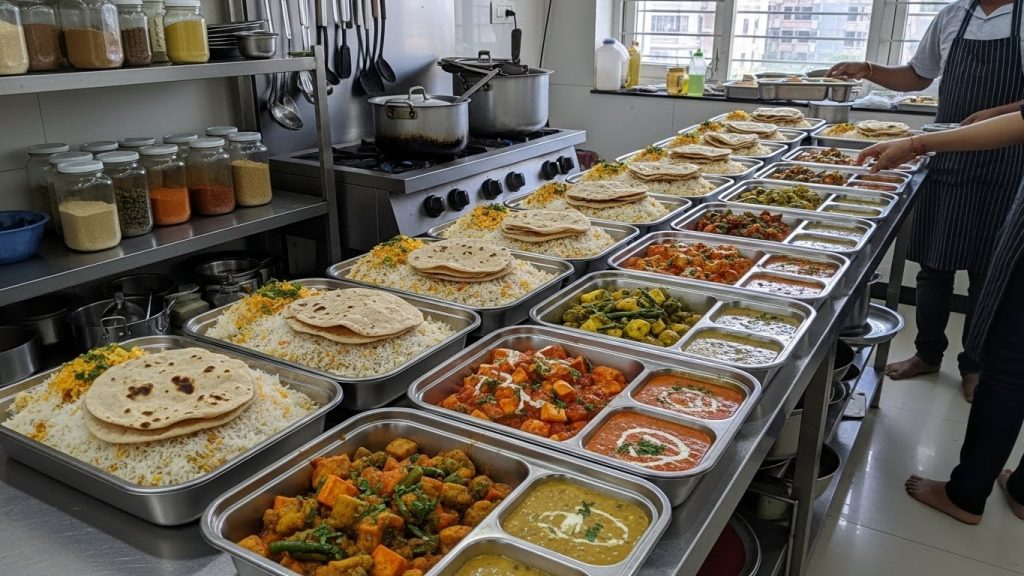
The home catering business involves preparing and supplying food for small to medium-sized events directly from your home kitchen. You can offer a variety of services such as birthday party catering, small wedding functions, office lunches, festival orders, and special occasions. Unlike large catering companies, home-based catering focuses on limited but high-quality orders. You can specialize in a particular cuisine, such as North Indian, South Indian, snacks, or traditional meals. This business can start with small orders for 10–20 people and gradually expand to larger events as your capacity increases. The key success factors include taste, quality, hygiene, timely delivery, and professional service.

Business Plan

To start a catering business from home, the first step is to decide your niche and menu. It is advisable to begin with a limited menu that you can prepare efficiently and consistently. You can offer meal packages or per-plate pricing depending on the type of event. Next, plan your kitchen operations, including ingredient sourcing, food preparation, cooking schedule, and packaging. You should also decide whether you will provide delivery only or include serving staff for events. Creating a proper pricing structure is very important to ensure profitability while remaining competitive. Initially, focus on small events and gradually take larger orders as your confidence and resources grow. Building strong relationships with customers and delivering quality service will help you gain repeat orders and referrals.

Startup Cost

The startup cost for a home catering business is moderate compared to other home businesses. You can start with an investment of around ₹20,000 to ₹1,00,000, depending on the scale. If you already have a well-equipped kitchen, your costs will be lower. Major expenses include raw materials, large cooking utensils, gas cylinders, storage containers, and packaging materials. If you plan to handle larger orders, you may need additional equipment like large vessels, burners, and serving items. Delivery arrangements and hiring temporary helpers for events may also add to your cost. Starting small and reinvesting your profits is the best approach to managing expenses.

Profit Margin

The catering business offers good profit margins, especially when managed efficiently. On average, you can expect a profit margin of 30% to 50%. For example, if your cost per plate is ₹100 to ₹150, you can charge ₹200 to ₹300 or more, depending on the menu and service. Bulk orders for events can generate significant income in a single day. Special menus, premium dishes, and customized services can further increase your profit. Efficient planning, bulk purchasing of ingredients, and minimizing wastage can help you maximize your earnings.

Marketing Strategy

Marketing is a key factor in growing your home catering business. In the beginning, you can promote your services among friends, family, and local communities. Word-of-mouth marketing is extremely powerful in this business, especially if your food quality and service are excellent. You can also create social media profiles on Instagram, Facebook, and WhatsApp to showcase your dishes, menu, and customer feedback. Posting photos and videos of your food and events can attract more customers. Offering free tasting sessions or small discounts for first-time customers can help you gain initial orders. Collaborating with event planners, decorators, and local organizers can bring more business opportunities. You can also create simple brochures or digital menus to share with potential clients.

Target Audience

The target audience for a home catering business includes individuals and groups who organize small to medium-sized events. Your main customers will be families hosting birthday parties, anniversaries, and religious functions. Office clients who need catering for meetings and events are also an important segment. Students and young professionals organizing small gatherings can also be potential customers. You can also target local communities and societies where regular events take place. Understanding your audience will help you design your menu, pricing, and service style effectively.

Operations and Management

Running a catering business requires strong planning and time management skills. You need to manage multiple tasks such as purchasing ingredients, preparing food, cooking, packaging, and delivery. For events, coordination and timing are very important to ensure smooth service. Maintaining cleanliness and hygiene in your kitchen is essential to building trust with customers. Keeping records of orders, expenses, and customer details will help you manage your business efficiently. As your business grows, you may need to hire helpers, cooks, or delivery staff to handle larger orders. Proper teamwork and coordination will ensure successful operations.

Growth Opportunities

The home catering business has excellent growth potential. Once you establish a good reputation, you can expand your services to larger events such as weddings and corporate functions. You can also introduce new menu options, specialize in a particular cuisine, or offer premium catering services. Opening a cloud kitchen or small catering unit can help you handle more orders. You can also partner with event management companies to get regular business. With strong branding and consistent quality, your home-based catering service can grow into a large and successful food business.

Conclusion

The catering business from home is a highly profitable and flexible business opportunity for anyone who enjoys cooking and event management. With moderate investment and high demand, it offers great potential for income and growth. By focusing on quality food, proper planning, and customer satisfaction, you can build a strong reputation and a loyal customer base. With dedication and smart strategies, your home catering business can grow into a successful and long-lasting venture.

How to Make The Best Spice Powder At Home?

Start a Spice Powder-Making Business? – Complete Business Plan

Introduction

The spice powder-making business is one of the most profitable and evergreen home-based business ideas, especially in India, where spices are an essential part of daily cooking. Every household uses different types of मसाले such as turmeric, chilli powder, coriander powder, garam masala, and various blended spices. With increasing awareness about health and quality, many customers now prefer homemade or pure spices over packaged ones because they are fresh, chemical-free, and more flavorful. This creates a strong opportunity for starting a spice powder business from home. With proper planning, quality control, and branding, this simple business can generate consistent income and grow into a successful brand.

Business Information

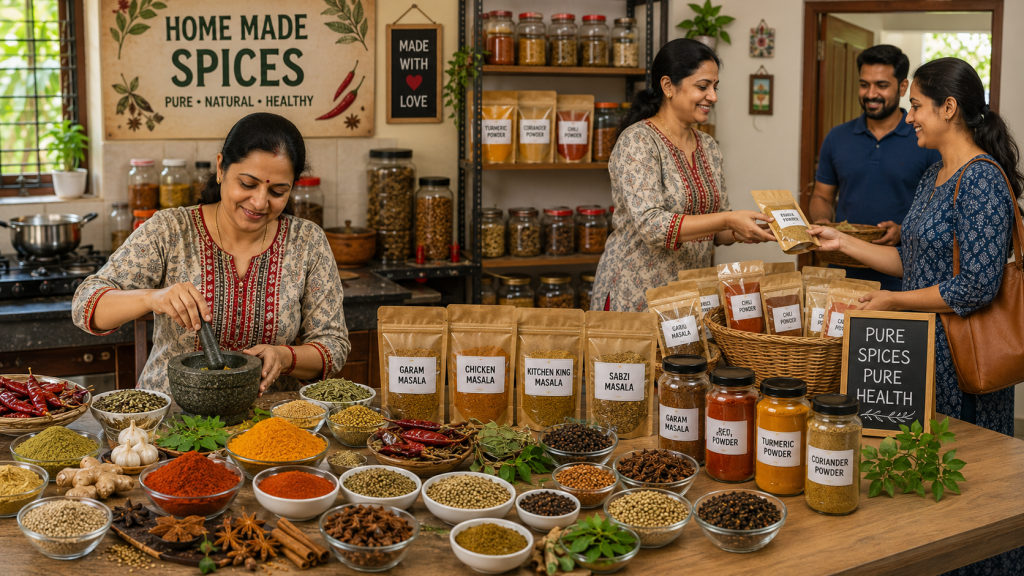
The spice powder making business involves sourcing raw spices, cleaning, drying, grinding, and packaging them into finished products for sale. You can produce single spices such as turmeric powder, red chilli powder, and coriander powder, as well as blended मसाले such as garam masala, kitchen king masala, or regional spice mixes. This business can be started on a small scale from home and expanded gradually. The key factors for success are purity, strong aroma, consistent quality, and hygienic processing. Customers value authenticity, so maintaining natural taste and avoiding adulteration is very important. You can sell your products directly to customers, supply to local grocery stores, or promote them through online platforms.

Business Plan

To start a spice powder-making business, the first step is to decide which spices you want to produce. It is advisable to begin with a few high-demand products such as turmeric powder, chilli powder, and coriander powder, and later expand into blended मसाले. You need to source good-quality raw spices from reliable suppliers or local markets. The next step is cleaning and drying the spices properly to remove moisture and impurities. Grinding can be done using a mixer grinder for small-scale production or a commercial grinding machine for larger quantities. After grinding, the spices should be sieved to ensure a uniform texture. Packaging is a crucial part of the business, as it helps maintain freshness and attracts customers. Use airtight, food-grade packaging with proper labeling, including brand name, weight, and expiry date. You should also plan your pricing strategy based on cost and market demand. Start small, test your products, and gradually expand your business.

Startup Cost

The startup cost for a spice powder-making business is low to moderate, making it suitable for beginners. You can start with an investment of around ₹10,000 to ₹50,000, depending on the scale. If you already have a kitchen setup, your main expenses will include purchasing raw spices, packaging materials, and basic equipment like a mixer grinder. If you want to produce in larger quantities, you may need to invest in a commercial grinding machine, which will increase your initial cost. Other expenses include storage containers, a weighing scale, and a sealing machine for packaging. Starting small and reinvesting profits is a smart way to grow this business.

Profit Margin The spice powder business offers good profit margins because the difference between raw material cost and selling price is significant. On average, you can expect a profit margin of 30% to 60%, depending on the type of spice and packaging. For example, if the cost of producing 1 kg of turmeric powder is ₹120 to ₹150, you can sell it for ₹250 to ₹400, depending on quality and branding. Blended मसाले usually offer higher profit margins compared to single spices. Since spices have a longer shelf life, you can produce in bulk and sell over time, reducing the risk of loss. Efficient sourcing and proper cost management can further increase your profits.

Marketing Strategy

Marketing plays a very important role in the success of your spice powder business. In the beginning, you can promote your products among friends, family, and neighbors. Offering free samples is an effective way to gain customer trust. Word-of-mouth marketing is extremely powerful, especially if your spices have a strong aroma and good quality. You can also use digital platforms like WhatsApp, Instagram, and Facebook to showcase your products. Posting photos, videos, and customer reviews can help attract more buyers. Creating a WhatsApp catalog or business account makes it easy to manage orders. You can also supply your products to local किराना दुकाने, supermarkets, and small retailers. Offering combo packs, discounts, and festive offers can boost your sales. Branding your spices with a unique name and attractive packaging will help you compete with established brands.

Target Audience

The target audience for a spice powder-making business is very wide. Every household is a potential customer because spices are used daily in cooking. Your main customers include families, गृहिणी (homemakers), and working professionals. Restaurants, dhabas, and catering services are also important customers as they require spices in bulk. Small grocery stores and retailers can help you reach more customers by selling your products. Health-conscious consumers who prefer pure and chemical-free spices are another important segment. Understanding your target audience will help you plan your products, pricing, and marketing strategies effectively.

Operations and Management

Running a spice powder business requires proper planning and hygiene. You need to ensure that all raw materials are clean and of good quality. The drying process is very important to prevent moisture and spoilage. Grinding should be done carefully to maintain the natural aroma and color of spices. Proper storage in dry and cool conditions is essential to maintain freshness. You should keep track of your inventory, production, and sales to manage your business efficiently. Maintaining cleanliness and hygiene during the entire process will help you build customer trust. As your business grows, you can hire helpers or invest in better machines to increase production.

Growth Opportunities

The spice powder business has excellent growth potential. Once you establish your brand locally, you can expand your product range by introducing more spice blends and regional मसाले. You can also improve your packaging and branding to attract premium customers. Selling your products online through e-commerce platforms can help you reach customers across different cities. You can also supply your spices to hotels, restaurants, and supermarkets in bulk. With consistent quality and effective marketing, your small home-based business can grow into a well-known brand in the food industry.

Conclusion

The spice powder-making business is a simple, low-investment, and highly profitable home-based business with strong and steady demand. With proper planning, quality control, and effective marketing, you can build a successful and sustainable business. By focusing on purity, taste, and customer satisfaction, you can create a loyal customer base and generate regular income. With dedication and smart strategies, your spice business can grow into a large and trusted brand in the future.

How To Make The Best Chocolates At Home?

Make The Best Chocolates At Home And Sell – Complete Business Guide

Introduction

The homemade chocolate business is one of the most creative and high-demand home-based business ideas, especially in today’s gifting and celebration culture. Chocolates are loved by people of all age groups and are widely used for birthdays, anniversaries, weddings, corporate gifting, and festivals like Diwali and Valentine’s Day. The demand for handmade and customized chocolates is growing rapidly because customers prefer unique flavors, attractive designs, and premium packaging over regular mass-produced chocolates. This business is ideal for individuals who enjoy creativity and want to start a low-investment venture with high profit potential from home.

Business Information

The homemade chocolate business involves preparing different types of chocolates, such as milk chocolate, dark chocolate, white chocolate, dry fruit chocolates, flavored chocolates, truffles, and customized gift boxes. You can also create theme-based chocolates for special occasions, which increases their value and demand. This business can be operated on an order basis as well as with ready stock for regular sales. The key success factors include taste, quality of ingredients, attractive design, and appealing packaging. Since chocolates have a decent shelf life when stored properly, you can manage production efficiently and reduce wastage. You can sell your chocolates directly to customers, through social media, or by supplying to gift shops and event planners.

Business Plan

To start a homemade chocolate business, the first step is to decide your product range and target market. Begin with a few popular varieties such as plain chocolates, dry fruit chocolates, and simple gift packs. Gradually, you can introduce premium and customized products. You should standardize your recipes and maintain consistency in taste and quality. The production process includes melting chocolate, molding, cooling, decorating, and packaging. You need to plan your workflow carefully to handle orders efficiently, especially during peak seasons. Packaging is a major part of this business, as an attractive presentation increases the product’s value. You should also create a pricing strategy that covers your costs and provides a good profit margin. Starting with small batches and testing your products in the market will help you improve and grow.

Startup Cost

The startup cost for a homemade chocolate business is low to moderate, making it ideal for beginners. You can start with an investment of around ₹10,000 to ₹40,000, depending on the scale and variety of products. Basic requirements include raw materials such as chocolate compound, cocoa powder, dry fruits, flavors, and decorative items. Equipment needed includes chocolate molds, melting bowls, spatulas, a refrigerator for setting, and packaging materials. If you want to create premium or customized chocolates, you may need to invest in better molds and decorative tools. As your business grows, you can upgrade your equipment and expand your product range.

Profit Margin

The homemade chocolate business offers excellent profit margins, especially in customized and gift products. On average, you can expect a profit margin of 40% to 70%. For example, if the cost of making a chocolate box is ₹200, you can sell it for ₹400 to ₹800 or more, depending on design and packaging. Premium gift hampers and customized orders can generate even higher profits. Festive seasons and special occasions bring a huge increase in demand, allowing you to earn significantly more. By managing costs efficiently and maintaining quality, you can maximize your earnings.

Marketing Strategy

Marketing is very important in the homemade chocolate business because it is highly visual and gift-oriented. Start by promoting your products among friends, family, and local contacts. Offering free samples can help you attract customers and build trust. Social media platforms like Instagram, Facebook, and WhatsApp are powerful tools to showcase your chocolates. Posting high-quality photos, videos, and customer reviews can help you reach a larger audience. Creating a WhatsApp catalog or Instagram page with your product list makes it easy for customers to place orders. Offering festive discounts, combo packs, and referral offers can increase your sales. Collaborating with gift shops, event planners, and corporate clients can bring bulk orders. Attractive packaging and branding will help you stand out in the market.

Target Audience

The target audience for a homemade chocolate business is very wide. Your main customers include individuals buying chocolates for gifting purposes, such as birthdays, anniversaries, weddings, and festivals. Children and young adults are also major consumers of chocolate. Corporate clients are an important segment, as they often require chocolates for employee gifts and promotional events. You can also target couples and special occasions like Valentine’s Day with customized chocolate boxes. Premium customers who prefer unique and high-quality products are willing to pay higher prices, which increases your profitability.

Operations and Management

Running a homemade chocolate business requires proper planning and attention to detail. You need to maintain the right temperature and storage conditions to ensure product quality. Cleanliness and hygiene are very important during preparation. Managing orders, inventory, and delivery schedules efficiently will help you run the business smoothly. Since chocolates can melt in hot weather, proper packaging and storage are essential, especially in warm climates. Keeping records of customer preferences and feedback will help you improve your products. As your business grows, you can hire helpers or assistants to handle production and packaging.

Growth Opportunities

The homemade chocolate business has great potential for growth. Once you establish your brand, you can expand your product range by introducing new flavors, premium collections, and customized gift hampers. Selling your products online through e-commerce platforms can help you reach customers across different cities. You can also supply chocolates to cafes, gift stores, and event companies. Conducting chocolate-making workshops or classes can create an additional source of income. With strong branding, quality products, and effective marketing, your small home-based business can grow into a successful chocolate brand.

Conclusion

The homemade chocolate business is a highly profitable and creative home-based business that offers excellent growth opportunities. With increasing demand for customized and premium chocolates, this business can generate a steady and high income. By focusing on quality, presentation, and customer satisfaction, you can build a strong brand and loyal customer base. With dedication and smart planning, your homemade chocolate business can become a successful and rewarding venture.

How to Prepare The Best Khoya (Mawa) at Home?

Prepare Khoya (Mawa) at Home?- Complete Business Plan

Khoya (also known as mawa) is a key ingredient in many Indian sweets, such as peda, barfi, gulab jamun, and halwa. With increasing demand for fresh and pure dairy products, preparing khoya at home and selling it can be a highly profitable small-scale business. This business requires low investment, basic skills, and can be started from your kitchen, making it ideal for beginners, homemakers, and aspiring entrepreneurs.

What is Khoya and why is it in Demand?

Khoya is made by slowly evaporating milk until it becomes thick and solid. It is widely used in sweet shops, bakeries, and homes, especially during festivals like Diwali, Holi, and weddings. Many customers prefer homemade khoya because it is fresh, hygienic, and free from adulteration, unlike some market products. This creates a great opportunity to build a trusted local brand.

How to Prepare Khoya at Home

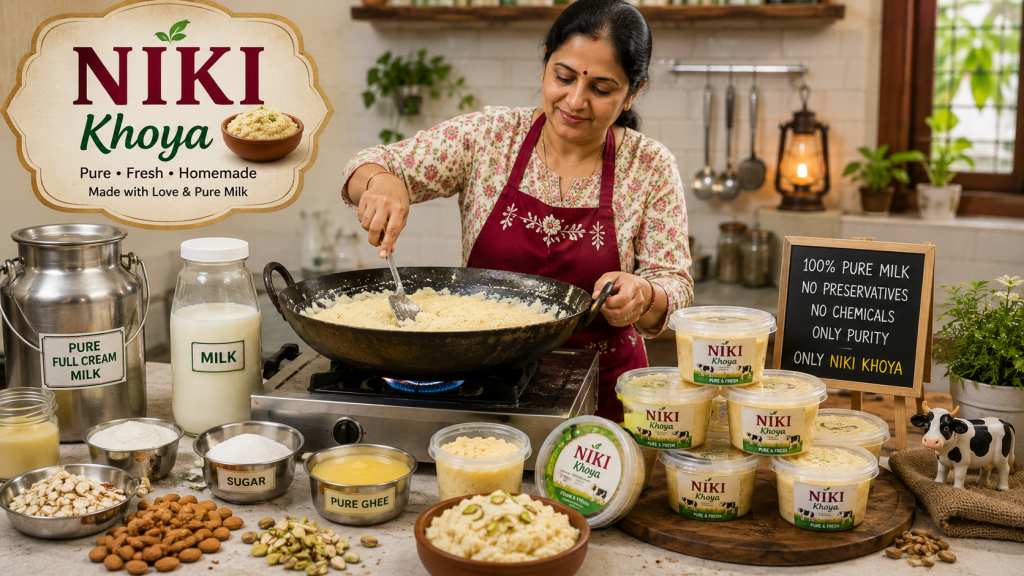
To start this business, you need full-cream milk, a heavy-bottom pan, and a stove. Take fresh full-fat milk and pour it into a wide pan. Heat it on medium flame and keep stirring continuously to prevent burning. As the milk starts reducing, scrape the sides and mix it back into the liquid. Continue this process for 1.5 to 2 hours until the milk thickens and turns into a semi-solid mass. Once it reaches the desired consistency, turn off the heat and let it cool. Your homemade khoya is ready. You can prepare different types, like soft khoya, hard khoya, or granulated khoya, depending on customer needs.

Business Setup and Requirements

Starting a khoya business from home is simple. You need basic kitchen equipment like a gas stove, large utensils, a spatula, measuring tools, and storage containers. For scaling up, you can invest in larger vessels and a gas burner. Maintain cleanliness and hygiene in your workspace to build customer trust. If you plan to expand, you can consider registering your business and getting the necessary food safety approvals.

Investment and Cost

The initial investment for this business is low, typically between ₹5,000 and ₹20,000. The major cost is raw material (milk), which you can source from local dairy farms or vendors at wholesale rates. Other costs include gas, packaging materials, and basic utensils. Starting small helps reduce risk and allows you to test the market.

Pricing and Profit Margin

Khoya has good profit margins because the value increases significantly after processing milk. For example, 1 liter of milk can produce around 200–250 grams of khoya. If you purchase milk at a reasonable price and sell khoya at market rates, you can earn a profit of ₹100–₹300 per kg. During festive seasons, demand and prices increase, boosting your income further. Selling directly to customers or sweet shops can increase margins.

Packaging and Branding

Proper packaging is important for maintaining freshness and attracting customers. Use clean, food-grade containers or butter paper wrapping. Label your product with your brand name, weight, and contact details. You can also highlight “homemade,” “pure,” and “fresh” to build trust. Attractive and hygienic packaging helps you stand out in the market.

Marketing Strategy

Start by selling to your neighbours, friends, and local community. Word-of-mouth marketing is very powerful for food businesses. You can also promote your product on WhatsApp, Facebook, and Instagram by sharing photos and customer reviews. Approach local sweet shops, Halwai, and small bakeries to supply khoya in bulk. Offering free samples can help you gain initial customers. Consistency in quality and taste will bring repeat orders.

Target Customers

Your primary customers include households, sweet shops, caterers, bakeries, and small food businesses. During festivals and wedding seasons, demand increases significantly, providing an opportunity to earn more. Understanding customer preferences and offering customized quantities can help you grow faster.

Growth Opportunities

Once your khoya business is established, you can expand by offering related products like paneer, ghee, sweets, and flavored khoya. You can also create a small brand and sell online through social media or local delivery apps. Hiring helpers and increasing production capacity can turn this into a full-time business.

Challenges and Tips

The main challenges include maintaining consistent quality, managing milk supply, and handling shelf life. Always use fresh milk and maintain hygiene. Prepare khoya in small batches to ensure freshness. Build strong relationships with suppliers and customers.

Conclusion

Preparing khoya at home and selling it is a simple yet profitable business idea. With low investment, basic skills, and proper planning, you can start earning from your home. Focus on quality, hygiene, and customer satisfaction to build a successful and sustainable business. With dedication and smart marketing, this small idea can grow into a reliable source of income and a strong local brand.

How To Start The Best Bakery Business At Home?

How To Start a Profitable Bakery Business? – Complete Business Plan

Introduction

The bakery business, especially focusing on cakes and cookies, is one of the most profitable and creative home-based business ideas in today’s market. With increasing demand for customized cakes, celebration desserts, and premium baked goods, this business offers excellent income potential. Birthdays, anniversaries, weddings, and special occasions have become incomplete without cakes, while cookies are a daily snack loved by all age groups. The trend of home bakers is growing rapidly because customers prefer fresh, hygienic, and personalized products over mass-produced bakery items. If you have a passion for baking and creativity, this business can turn into a highly successful venture from your home kitchen.

Business Information

The bakery business involves preparing and selling baked products such as cakes, cupcakes, cookies, brownies, and other desserts. You can start by specializing in a few items like birthday cakes and chocolate chip cookies, and gradually expand your menu based on customer demand. Customization is a key feature of this business, as customers often look for theme-based cakes, photo cakes, and unique designs. This business can operate on an order basis, which reduces wastage and ensures freshness. Quality ingredients, attractive presentation, and consistent taste are the most important factors for success. You can sell directly to customers, take orders through social media, or collaborate with local shops and cafes.

Business Plan

To start a bakery business from home, the first step is to decide your product range and target market. Begin with a limited menu that you can prepare perfectly and efficiently. Focus on popular items such as birthday cakes, cupcakes, and cookies. Next, standardize your recipes to maintain consistent taste and quality. You should plan your production process, including ingredient sourcing, baking schedule, decoration, and delivery. Packaging plays a crucial role in this business, as attractive and safe packaging enhances customer experience. You should also create a pricing strategy based on your costs and market competition. Taking advance orders is a smart approach, as it helps you manage time and reduce wastage. As your business grows, you can expand your product range and invest in better equipment.

Startup Cost

The startup cost for a home bakery business can vary depending on the scale and equipment. If you already have a basic oven and kitchen setup, you can start with an investment of ₹15,000 to ₹60,000. Major expenses include ingredients such as flour, sugar, butter, cream, chocolate, and baking essentials. You may also need equipment like an oven, mixer, baking trays, cake molds, decorating tools, and packaging materials. If you plan to create designer cakes, you may need additional tools for decoration. Initially, you can start small and upgrade your equipment as your business grows and profits increase.

Profit Margin

The bakery business offers high profit margins, especially in customized cakes and premium cookies. On average, you can expect a profit margin of 40% to 70%. For example, a cake that costs ₹300 to ₹500 to make can be sold for ₹800 to ₹1500 or more, depending on design and customization. Cookies also offer good margins when sold in packs. Special occasions and bulk orders can significantly increase your income. By controlling ingredient costs, reducing wastage, and improving efficiency, you can maximize your profits. Branding and premium packaging can also help you charge higher prices.

Marketing Strategy

Marketing is extremely important in the bakery business because it is visually driven. High-quality photos and videos of your cakes and cookies can attract a large number of customers. Start by promoting your products among friends, family, and local contacts. Social media platforms like Instagram, Facebook, and WhatsApp are powerful tools for showcasing your work. Posting regularly, sharing customer reviews, and uploading videos of cake decoration can help build trust and engagement. Offering discounts, festive offers, and referral benefits can attract more customers. Collaborating with event planners, party organizers, and local cafes can also increase your orders. Creating a unique brand name and logo will help you stand out in the competitive market.

Target Audience

The target audience for a bakery business is wide and diverse. Your primary customers include individuals celebrating birthdays, anniversaries, and special occasions. Parents ordering cakes for their children, young adults celebrating events, and corporate clients ordering cakes for office celebrations are key segments. Cookie lovers and snack consumers are also regular customers. You can also target cafes, small shops, and event planners for bulk orders. Premium customers who prefer designer cakes and customized desserts are willing to pay higher prices, which can increase your profitability.

Operations and Management

Running a bakery business requires proper planning and time management. You need to manage orders, baking schedules, ingredient stock, and delivery timelines efficiently. Since most bakery products are perishable, you should prepare them close to delivery time to maintain freshness. Maintaining cleanliness and hygiene in your kitchen is essential. Keeping records of orders, payments, and customer preferences will help you run the business smoothly. As your business grows, you may need to hire helpers or assistants for baking, decorating, or delivery. Consistency in taste and design is very important to build a loyal customer base.

Growth Opportunities

The bakery business has excellent growth potential. Once you establish your brand, you can expand your product range by introducing new desserts and specialty items. You can also start selling through online platforms or food delivery apps to reach more customers. Opening a small bakery shop or cloud kitchen is the next step for expansion. You can also conduct baking classes or workshops to generate additional income. With strong branding, quality products, and effective marketing, your home bakery can grow into a well-known and successful business.

Conclusion

The bakery business (cakes and cookies) is a highly profitable and rewarding home-based business that combines creativity with income generation. With increasing demand for customized and high-quality baked products, this business offers great growth opportunities. By focusing on taste, presentation, and customer satisfaction, you can build a strong brand and loyal customer base. With dedication, smart planning, and consistent effort, your home bakery can become a successful and long-lasting business venture.

How To Start The Best Papad-Making Business?

Start A Best Papad-Making Business – Complete Business Plan

Introduction

The papad-making business is a traditional and highly profitable home-based business that has been running successfully in India for generations. Papad is a staple food item consumed with daily meals, especially in households, restaurants, and during festivals. Due to its long shelf life, easy storage, and wide consumption, papad has a consistent demand throughout the year. Many customers prefer homemade papad because of its authentic taste, better quality, and absence of harmful preservatives. This business is ideal for housewives, self-help groups, and small entrepreneurs who want to start with low investment and build a stable source of income from home.

Business Information

The papad-making business involves preparing papads using ingredients like urad dal flour, moong dal flour, spices, salt, and oil. There are various types of papads, such as urad papad, moong papad, masala papad, rice papad, and regional varieties. The process includes dough preparation, rolling or pressing, drying, and packaging. Since papads are dried products, they can be stored for several months, making it easier to produce in bulk and sell gradually. You can start this business on a small scale from your home and expand as demand increases. The key factors for success are consistent quality, proper drying, hygiene, and attractive packaging.

Business Plan

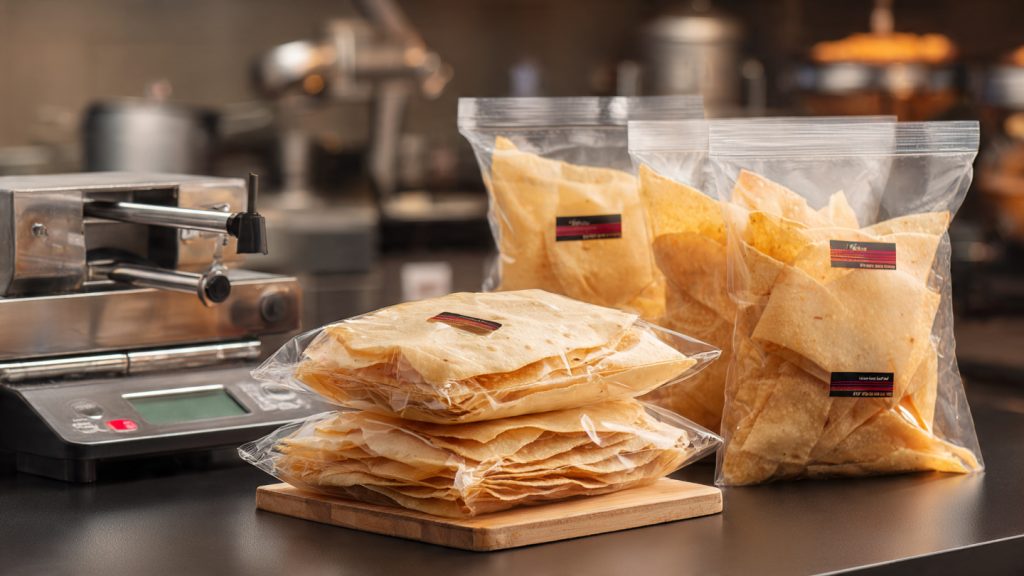
To start a papad-making business, the first step is to decide the type of papad you want to produce. It is advisable to begin with one or two popular varieties, such as urad papad or masala papad and later expand your product range. You need to standardise your recipe to maintain uniform taste and quality. The production process should be planned carefully, including mixing ingredients, kneading dough, shaping papads, and drying them properly under sunlight or using drying machines. Drying is a critical step because moisture can spoil the product. Packaging should be done in airtight covers to maintain freshness and prevent breakage. Branding your papad with a unique name and label will help you stand out in the market. Pricing should be competitive while ensuring a good profit margin. Start selling in your local area and gradually expand your reach through shops and online platforms.

Startup Cost

The startup cost for a papad-making business is low to moderate, making it suitable for beginners. You can start with an investment of around ₹5,000 to ₹20,000, depending on the scale. If you already have a kitchen setup, your main expenses will include raw materials such as flour, spices, and oil. Additional costs include utensils, rolling boards, papad press (optional), drying cloths or trays, and packaging materials. If you want to increase production, you can invest in semi-automatic papad-making machines later. Initially, manual production is sufficient and cost-effective for small-scale operations.

Profit Margin

The papad-making business offers good profit margins because the production cost is relatively low compared to the selling price. On average, you can expect a profit margin of 30% to 50%. For example, if the cost of producing 1 kg of papad is ₹120 to ₹150, you can sell it for ₹200 to ₹300, depending on quality and packaging. Bulk orders from shops, restaurants, and catering services can further increase your profits. Since papads have a long shelf life, the risk of loss due to spoilage is minimal. Efficient production and proper storage can help maximise your earnings.

Marketing Strategy

Marketing plays an important role in growing your papad business. In the beginning, you can promote your products among friends, family, and neighbours. Offering free samples is an effective way to attract customers and build trust. Word-of-mouth marketing is very powerful, especially if your papads are tasty and of good quality. You can also use social media platforms like WhatsApp, Facebook, and Instagram to promote your products. Share photos, videos, and customer feedback to reach more people. Creating a WhatsApp group or broadcast list can help you update customers about new stock and offers. You can also supply your papads to local grocery stores, supermarkets, hotels, and restaurants. Participating in local markets and exhibitions can increase your visibility. Attractive and hygienic packaging will help you compete with branded products.

Target Audience

The target audience for a papad-making business is very wide. Almost every household consumes papad, making it a high-demand product. Your primary customers include families, restaurants, dhabas, and catering services. Small grocery shops and supermarkets are also important buyers, as they can purchase in bulk and sell to end customers. Students and bachelors living away from home also prefer papads as a quick and tasty addition to their meals. You can also target customers who prefer homemade and traditional food products. Understanding your audience will help you plan your production and marketing strategies effectively.

Operations and Management

Running a papad-making business requires proper planning and discipline. You need to ensure that all ingredients are fresh and of good quality. Maintaining cleanliness and hygiene during production is very important. The drying process should be handled carefully to avoid moisture and spoilage. Proper storage in dry and cool conditions is necessary to maintain product quality. You should also keep track of your inventory, orders, and expenses. As your business grows, you can hire helpers or involve family members in production. Time management is crucial, especially during bulk orders or peak seasons.

Growth Opportunities

The papad-making business has excellent growth potential. Once you establish a loyal customer base, you can expand your product range by introducing new varieties and flavours. You can also improve your branding by creating a unique logo and packaging design. Selling your products online through e-commerce platforms can help you reach customers beyond your local area. You can supply your papads to larger retail stores, hotels, and catering companies. With consistent quality and effective marketing, your small home-based business can grow into a well-known brand. Investing in machines and increasing production capacity can further boost your growth.

Conclusion

The papad-making business is a simple, low-investment, and profitable home-based business with strong and steady demand. It offers a great opportunity for individuals who want to start their own business from home and earn a regular income. By focusing on quality, hygiene, and customer satisfaction, you can build a successful and sustainable business. With proper planning and dedication, this traditional business can grow into a large and recognised brand, providing financial stability and long-term success.