
How to Start a Coffee Shop Business: Complete Guide for Beginners
The coffee shop business has become one of the most attractive opportunities for entrepreneurs in recent years. Coffee is no longer just a beverage; it has become a lifestyle choice, a social experience, and a part of modern work culture. With the increasing popularity of specialty coffee, café culture, remote working, and social gatherings, coffee shops are experiencing strong growth in many cities and towns. Whether you want to open a small neighborhood café or build a premium coffee brand, a coffee shop business offers excellent profit potential and long-term growth opportunities. With proper planning, quality products, and a customer-focused approach, a coffee shop can become a successful and sustainable venture.
Understanding the Coffee Shop Business
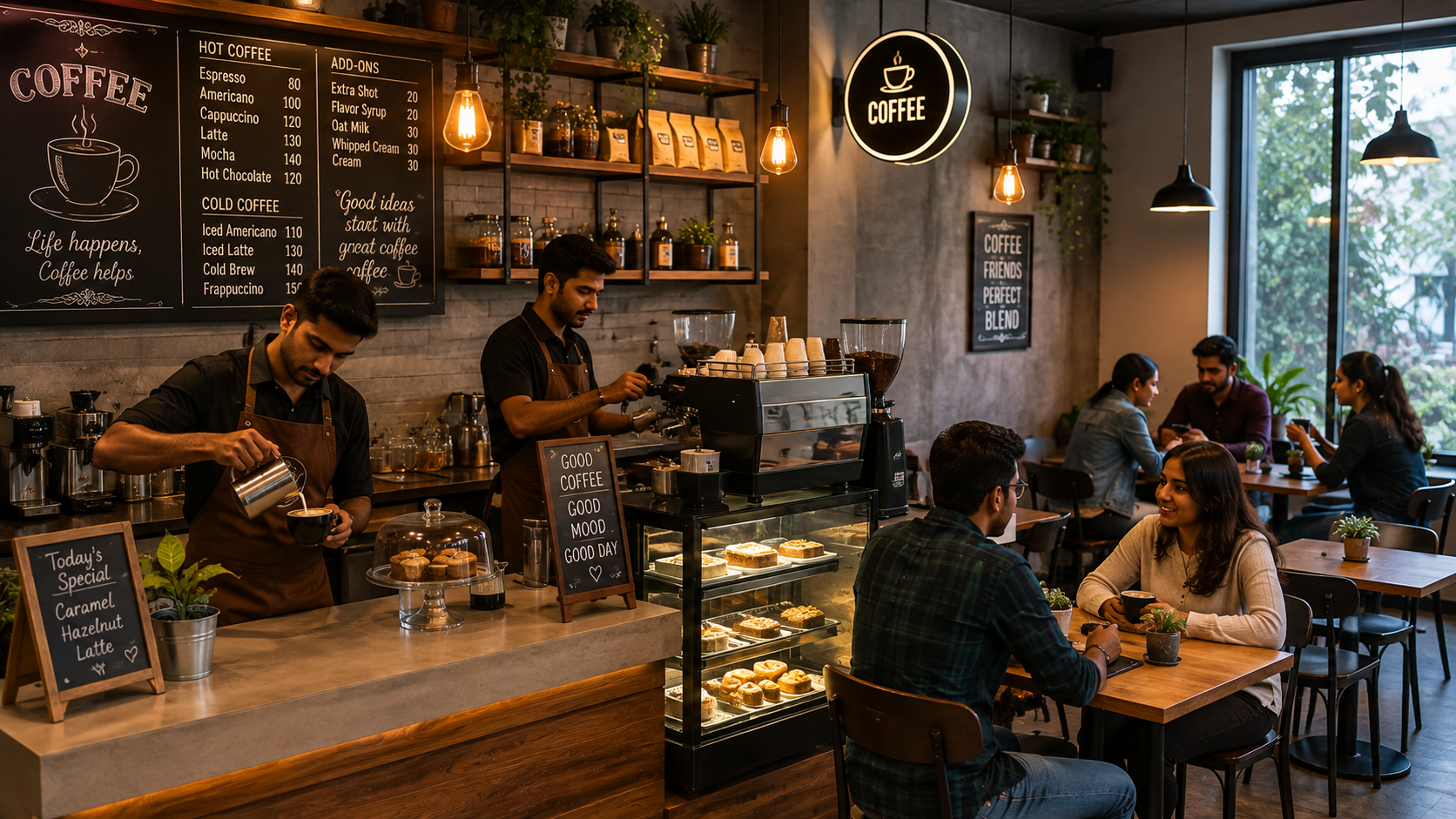
A coffee shop is a retail business that serves coffee, tea, beverages, snacks, and light meals to customers. Modern coffee shops provide more than drinks; they offer a comfortable environment where people can work, study, meet friends, or relax. Many successful coffee shops generate revenue not only from coffee sales but also from sandwiches, pastries, desserts, and specialty beverages. Before starting the business, it is important to understand local customer preferences, competition, and market demand. Researching successful coffee shops in your area can help you identify opportunities and create a unique business concept.
Conducting Market Research
Market research is one of the most important steps before launching a coffee shop. Study the local market and identify customer preferences, spending habits, and popular beverage choices. Analyze competitors to understand their pricing, menu offerings, and customer service standards. Determine whether your area can support a premium coffee shop, a budget-friendly café, or a specialty coffee concept. Understanding your target market helps create a business model that meets customer expectations and stands out from competitors.
Choosing the Right Location
The success of a coffee shop depends heavily on its location. High-traffic areas such as shopping centers, business districts, educational institutions, commercial complexes, and residential neighborhoods are ideal locations. Customers prefer coffee shops that are easily accessible and offer a comfortable atmosphere. Visibility, parking availability, and foot traffic should be carefully evaluated before selecting a location. Even a small coffee shop can generate strong sales if it is located in the right area.
Creating a Business Plan
A well-prepared business plan serves as a roadmap for your coffee shop. The plan should include business objectives, target audience, startup costs, revenue projections, marketing strategies, and operational procedures. Decide whether you want to operate as an independent café or purchase a franchise. Define your unique selling proposition, such as specialty coffee, organic ingredients, premium desserts, or a cozy work-friendly environment. A clear business plan also helps secure financing from banks or investors if needed.
Investment and Startup Costs
The investment required for a coffee shop varies depending on size, location, and concept. A small coffee shop may require an investment of ₹5 lakh to ₹15 lakh, while a premium café may require ₹20 lakh to ₹1 crore or more. Major expenses include rent, interior design, furniture, coffee machines, grinders, refrigeration equipment, kitchen appliances, licenses, raw materials, staff salaries, and marketing. Investing in high-quality coffee-making equipment is essential because product quality directly affects customer satisfaction and repeat business.
Equipment and Raw Materials
A coffee shop requires several important pieces of equipment, including espresso machines, coffee grinders, blenders, refrigerators, display counters, ovens, and point-of-sale systems. High-quality coffee beans, milk, syrups, chocolate, sugar, and bakery ingredients form the foundation of your menu. Building relationships with reliable suppliers ensures consistent quality and competitive pricing. Fresh ingredients and premium coffee beans can help establish a strong reputation in the market.
Designing the Menu
The menu should include a variety of beverages and food items to attract different customer segments. Popular options include espresso, cappuccino, latte, mocha, cold coffee, iced beverages, hot chocolate, tea, sandwiches, pastries, muffins, cookies, and cakes. Offering seasonal beverages and unique signature drinks can differentiate your coffee shop from competitors. Pricing should balance affordability with profitability while reflecting the quality of your products and customer experience.
Marketing and Brand Building
Effective marketing is crucial for attracting customers and building a recognizable brand. Create a memorable business name, professional logo, and attractive interior design. Social media platforms such as Instagram and Facebook are powerful tools for showcasing products, promoting special offers, and engaging with customers. High-quality photographs, customer testimonials, and behind-the-scenes content can increase brand visibility. Offering loyalty programs, student discounts, and special promotions can encourage repeat visits. Collaborating with local influencers and hosting events can further strengthen your brand presence.
Managing Daily Operations
Efficient operations are essential for maintaining profitability and customer satisfaction. Staff should be trained in coffee preparation, customer service, hygiene, and inventory management. Daily tasks include preparing beverages, maintaining cleanliness, monitoring stock levels, handling customer orders, and managing finances. Consistency in taste and service quality is critical for customer retention. Using modern billing and inventory systems can improve efficiency and reduce waste.
Profit Potential and Growth Opportunities
A successful coffee shop can generate substantial profits due to the high margins on coffee beverages. While the cost of ingredients is relatively low, customers are willing to pay premium prices for quality coffee and a pleasant experience. As the business grows, opportunities include expanding the menu, opening additional locations, introducing delivery services, selling packaged coffee products, and launching a franchise model. Developing a strong brand can transform a single coffee shop into a regional or national chain.
Challenges and Success Tips
Like any business, coffee shops face challenges such as competition, changing consumer preferences, rising ingredient costs, and staffing issues. Success depends on maintaining quality, providing excellent customer service, controlling expenses, and continuously innovating. Listening to customer feedback, updating the menu, and creating a welcoming atmosphere can help build customer loyalty. Entrepreneurs who focus on delivering a memorable experience often achieve long-term success.
Coffee Shop Full Business Plan
Executive Summary
A coffee shop business is a profitable food and beverage venture that serves coffee, specialty beverages, snacks, desserts, and light meals in a comfortable environment. The growing coffee culture among students, professionals, entrepreneurs, and young consumers has created significant opportunities for new coffee shop owners. The objective of this business is to provide high-quality coffee, excellent customer service, and a relaxing atmosphere while generating sustainable profits and building a recognizable brand.
Business Overview
The coffee shop will offer a variety of hot and cold beverages, including espresso, cappuccino, latte, mocha, americano, cold coffee, iced coffee, tea, hot chocolate, milkshakes, and smoothies. Additional products such as sandwiches, pastries, cakes, cookies, muffins, and snacks will increase customer spending and profitability.
Business Objectives
- Establish a successful coffee shop within the first year.
- Build a loyal customer base.
- Achieve monthly profitability within six months.
- Develop a strong local brand.
- Expand to multiple locations within five years.
Market Analysis
Industry Overview
The coffee industry continues to grow due to changing lifestyles, increasing urbanization, work-from-café culture, and rising demand for specialty beverages. Coffee shops are no longer just places to drink coffee; they have become social and professional meeting spaces.
Target Market
- College students
- Office employees
- Entrepreneurs
- Freelancers
- Remote workers
- Young professionals
- Families
- Tourists
- Coffee enthusiasts
Customer Preferences
Customers generally seek:
- Quality coffee
- Comfortable seating
- Free Wi-Fi
- Attractive interiors
- Friendly service
- Affordable pricing
- Fresh food options
Business Model
Revenue Sources
- Coffee and beverages
- Snacks and desserts
- Takeaway orders
- Online delivery
- Corporate orders
- Event catering
- Coffee bean sales
- Merchandise sales
Unique Selling Proposition (USP)
- Premium-quality coffee beans
- Freshly prepared food
- Modern and comfortable ambiance
- Fast service
- Consistent product quality
- Affordable premium experience
Location Strategy
Choosing the right location is critical.
Ideal Locations
- Shopping malls
- Business districts
- College areas
- High-street markets
- Residential neighborhoods
- Tourist locations
- Commercial complexes
Location Requirements
- High foot traffic
- Easy accessibility
- Parking availability
- Good visibility
- Safe environment
Startup Cost Estimate
Initial Investment
| Item | Estimated Cost (₹) |
| Shop Security Deposit | 3,00,000 |
| Interior Design & Furniture | 5,00,000 |
| Coffee Machines | 3,50,000 |
| Refrigeration Equipment | 1,00,000 |
| Kitchen Equipment | 1,50,000 |
| POS System | 50,000 |
| Licenses & Permits | 50,000 |
| Branding & Marketing | 1,00,000 |
| Initial Inventory | 1,00,000 |
| Working Capital | 3,00,000 |
| Total Investment | 20,00,000 |
A small coffee kiosk can start with ₹5 lakh to ₹10 lakh, while a premium café may require ₹20 lakh to ₹1 crore or more.
Products and Services
Coffee Menu
- Espresso
- Cappuccino
- Latte
- Mocha
- Americano
- Macchiato
- Flat White
- Cold Coffee
- Iced Latte
- Frappes
Additional Beverages
- Tea
- Green Tea
- Hot Chocolate
- Smoothies
- Milkshakes
- Fresh Juices
Food Menu
- Sandwiches
- Burgers
- Pastries
- Cakes
- Cookies
- Muffins
- Garlic Bread
- Wraps
- Brownies
Revenue Projection
Daily Sales Example
| Product Category | Daily Revenue (₹) |
| Coffee & Beverages | 10,000 |
| Snacks & Food | 5,000 |
| Takeaway Orders | 2,000 |
| Total Daily Revenue | 17,000 |
Monthly Revenue
₹17,000 × 30 days = ₹5,10,000
Monthly Operating Expenses
| Expense | Amount (₹) |
| Rent | 75,000 |
| Salaries | 1,00,000 |
| Raw Materials | 80,000 |
| Electricity & Utilities | 25,000 |
| Marketing | 20,000 |
| Maintenance | 10,000 |
| Miscellaneous | 20,000 |
| Total Expenses | 3,30,000 |
Profit Projection
Monthly Revenue
₹5,10,000
Monthly Expenses
₹3,30,000
Estimated Monthly Profit
₹1,80,000
Profit margins typically range from 25% to 40%, depending on location, pricing, and operational efficiency.
Marketing Strategy
Offline Marketing
- Grand opening promotions
- Student discounts
- Loyalty cards
- Referral programs
- Community events
- Local partnerships
Digital Marketing
- Social media marketing
- Food photography
- Customer reviews
- Influencer collaborations
- Local search optimization
- Online advertisements
Branding Activities
- Unique logo
- Professional menu design
- Branded packaging
- Signature coffee recipes
- Consistent customer experience
Operations Plan
Daily Activities
- Open and prepare equipment.
- Receive and check inventory.
- Prepare beverages and food.
- Serve customers efficiently.
- Maintain cleanliness.
- Monitor inventory levels.
- Record daily sales.
Inventory Management
Maintain stock of:
- Coffee beans
- Milk
- Syrups
- Sugar
- Chocolate
- Bakery ingredients
- Packaging materials
Staffing Requirements
Initial Team
- Owner/Manager
- Head Barista
- Assistant Barista
- Kitchen Assistant
- Cashier
- Cleaner
Expanded Team
- Shift Managers
- Additional Baristas
- Delivery Staff
- Marketing Executive
Risk Analysis
Business Risks
- High competition
- Rising ingredient costs
- Economic downturns
- Staffing issues
- Customer preference changes
Risk Management
- Focus on quality
- Regular menu updates
- Strong customer service
- Cost control measures
- Customer loyalty programs
Growth Opportunities
Year 1
Establish profitable operations.
Year 2
Launch online ordering and delivery.
Year 3
Open a second outlet.
Year 4
Develop a regional coffee brand.
Year 5
Launch franchise opportunities and packaged coffee products.
Long-Term Expansion
Future growth opportunities include:
- Coffee bean roasting business
- Packaged coffee sales
- Mobile coffee trucks
- Corporate coffee services
- Franchise development
- National café chain expansion
Conclusion
A coffee shop business offers excellent profit potential, strong customer demand, and long-term growth opportunities. With the right location, quality products, professional management, and effective marketing, entrepreneurs can build a successful coffee brand. By focusing on customer experience and operational excellence, a coffee shop can evolve from a single outlet into a highly profitable multi-location business.
Read more :